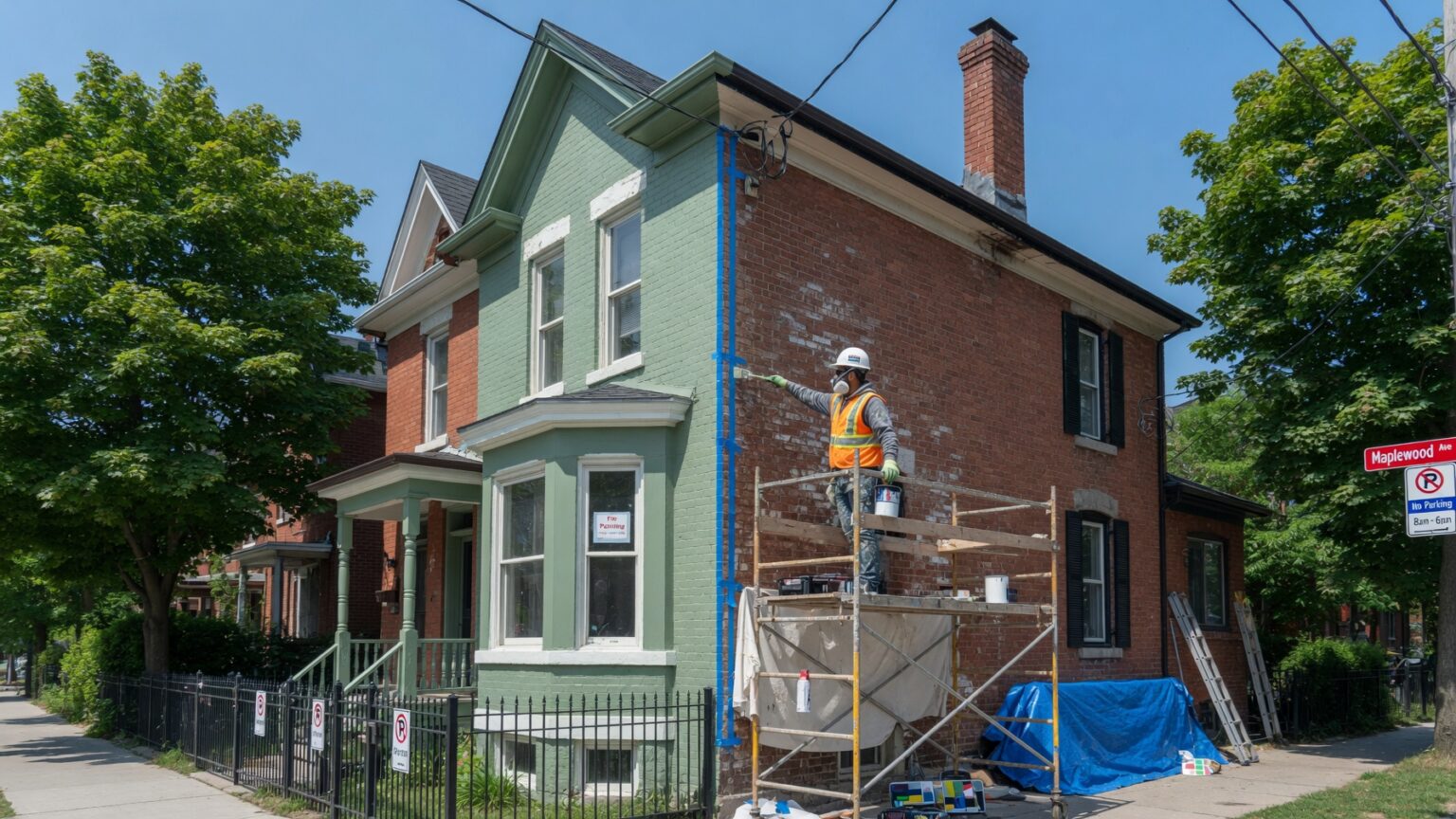
Exterior Painting Toronto: Complete Guide to Curb Appeal & Weatherproofing
Exterior painting Toronto is your most effective defense against the city’s harsh, unpredictable climate while dramatically boosting your property’s curb appeal. […]
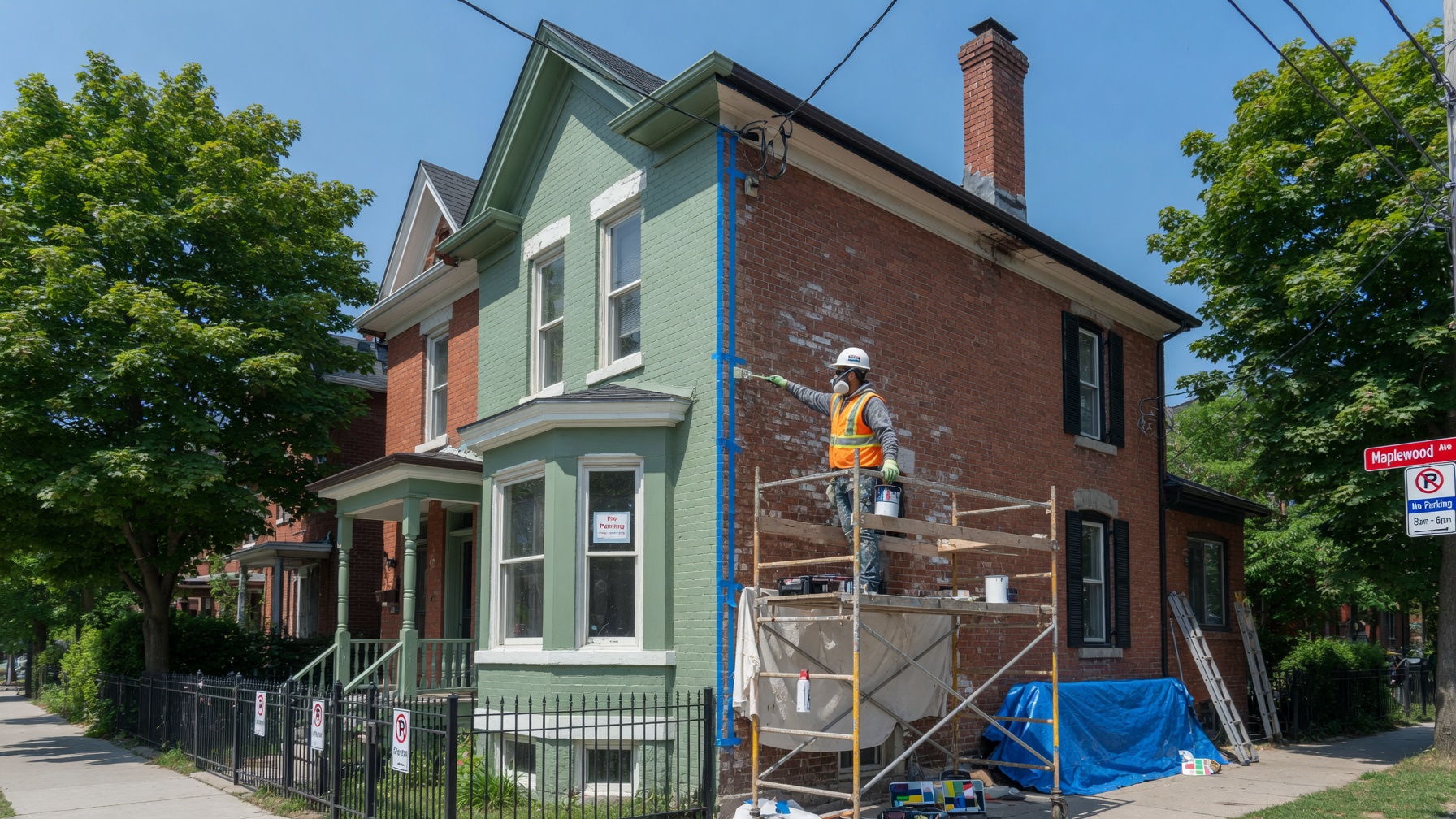
Exterior painting Toronto is your most effective defense against the city’s harsh, unpredictable climate while dramatically boosting your property’s curb appeal. From freezing, icy winters to hot, humid summers, Toronto weather pushes building materials to their absolute limit. Investing in professional exterior painting Toronto ensures your home or business is shielded from moisture, rot, and UV degradation. It also revitalizes your property’s appearance, making it stand out in competitive neighborhoods like The Annex, Leslieville, or Etobicoke. This comprehensive guide covers everything you need to know about protecting your investment, from choosing the right coatings for local surfaces to hiring the best Toronto painters for the job.
Why Exterior Painting in Toronto is Essential
A fresh coat of paint does much more than make your property look beautiful. It acts as a vital, protective shield. Ignoring peeling or fading paint leads to expensive structural damage.
Protecting Your Home from Toronto’s Harsh Climate
Toronto experiences extreme temperature swings. The freeze-thaw cycle is incredibly destructive. When moisture seeps into unprotected wood, brick, or stucco, it expands when it freezes. This causes cracking, spalling, and eventually rot.
High-quality exterior house painting creates a waterproof barrier. It stops moisture from penetrating your siding. It also allows the substrate to breathe, letting trapped humidity escape. Without this protection, you risk severe wood rot, mold growth, and costly structural repairs.
Boosting Curb Appeal and Property Value
Whether you are selling your home or simply taking pride in your neighborhood, curb appeal matters. A faded, peeling exterior makes a terrible first impression. Professional exterior painting instantly modernizes your property. It increases perceived value and helps your home sell faster. In the competitive Toronto real estate market, a well-maintained exterior can add thousands to your final sale price.
Common Exterior Surfaces in Toronto and How to Paint Them
Toronto is a city of diverse architecture. From Victorian red brick to mid-century aluminum siding, each surface requires specific paint preparation and coatings.
Brick Painting and Limewashing
Brick is incredibly porous. If you want to change the color of your Toronto brick home, you cannot just slap standard paint on it. Standard paint traps moisture inside the brick. When winter freezes hit, the brick faces pop off (spalling).
Professional Toronto painters use highly breathable, mineral-based masonry paints or elastomeric coatings for brick. Alternatively, limewashing and German Schmear are popular choices. They give a beautiful, historic aesthetic while allowing the brick to breathe naturally.
Stucco Painting and Repair
Stucco is common in many Toronto residential and commercial buildings. Over time, stucco develops hairline cracks due to settling and temperature shifts. Before painting, these cracks must be repaired using elastomeric patching compounds.
Because stucco is textured, it requires heavy-nap rollers or airless spray equipment for even coverage. Painters use 100% acrylic latex paints formulated for masonry. These paints expand and contract with the stucco, preventing new cracks from forming.
Aluminum and Vinyl Siding
Many homes in the GTA feature vinyl or aluminum siding. The golden rule for painting vinyl siding is never to use a color darker than the original. Dark colors absorb too much solar heat, causing the vinyl to warp.
For both aluminum and vinyl, thorough cleaning to remove chalky oxidation is critical. Painters then apply a premium, exterior-grade acrylic latex paint. This bonds seamlessly to the siding, providing a durable, fade-resistant finish.
Wood Siding and Trim
Wood is beautiful but highly vulnerable to rot. Cedar, pine, and fir trim require meticulous preparation. All loose, flaking paint must be sanded away. Bare wood must be primed with a high-quality oil or latex wood primer to seal the grain. Finally, two top coats of premium exterior paint provide the flexibility needed to withstand Toronto’s shifting seasons without cracking.
The Professional Exterior Painting Process
A lasting paint job relies on 80% preparation and 20% application. Cutting corners on prep guarantees premature failure. Here is how professional Toronto painters approach the job.
Thorough Paint Preparation and Scraping
The most crucial step is paint preparation. Painters scrape all loose, peeling paint down to the bare substrate. They power-wash the entire exterior to remove dirt, mildew, and chalky residue. In Toronto’s older neighborhoods, lead paint is often present in homes built before 1978. Certified painters follow strict lead-safe containment practices to protect your family and the environment.
Priming and Weatherproofing
Bare wood, fresh stucco, and exposed metal require primer. Primer creates a bonding layer between the surface and the topcoat. Without it, paint will peel rapidly.
Next, painters address the details. They caulk all gaps around windows, doorframes, and siding joints using premium, paintable elastomeric caulk. This seals out drafts, rain, and insects. It is a vital step for proper weatherproofing.
Precise Application and Cleanup
Once prep is complete, application begins. Painters brush and roll or use airless sprayers depending on the surface texture. They apply paint in a “wet edge” pattern to avoid lap marks. Typically, two topcoats are applied for maximum durability and color retention. Finally, a reputable company leaves your property immaculate. They remove all debris, clean the windows, and ensure your landscaping is untouched.
How to Choose the Right Toronto Painters
The Toronto market is flooded with painting contractors. Choosing the right team protects your investment and ensures a stress-free experience.
Verify Insurance and WSIB Coverage
Never hire a painter without valid insurance. They must carry comprehensive liability insurance to cover accidental damage to your property. More importantly, they must have WSIB (Workplace Safety and Insurance Board) coverage for their workers. If an uninsured worker falls off a ladder on your property, you could be held legally and financially responsible.
Look for Local Experience and Reviews
Hire a company that understands Toronto’s specific building codes and climate challenges. Look for an established business with a physical address. Read reviews on Google, Homestars, and the Better Business Bureau. Pay attention to how the company responds to negative feedback. A strong portfolio of local exterior house painting projects proves they can handle your property.
Detailed Written Estimates
Beware of contractors who give you a quote on a napkin. A professional estimate should be highly detailed. It must list the exact scope of work, the brands of paint being used, the number of coats, and the expected timeline. It should also clearly state warranty terms for both labor and materials.
Best Time of Year for Exterior Painting in Toronto
Timing is everything. Applying paint in the wrong conditions ruins the job.
Understanding Temperature and Humidity Limits
Paint requires specific conditions to cure properly. If it is too cold, the paint will not form a proper film. It will crack and peel over the winter. If it is too hot or humid, the paint will dry too fast on the surface, trapping moisture underneath and causing blistering.
Ideal Seasons for GTA Painters
The best time for exterior painting in Toronto is late spring through early fall (May to October). During these months, temperatures consistently stay above 10°C (50°F) at night, and humidity levels are manageable. However, professional painters constantly monitor the forecast. They will pause work if rain is approaching or if late afternoon temperatures drop below the paint’s minimum application temperature.
Conclusion: Invest in Professional Exterior Painting Toronto
Your home or business faces relentless weather conditions year after year. Protecting it requires more than a quick coat of paint. It demands expert paint preparation, premium weatherproofing materials, and an understanding of local architecture. Professional exterior painting Toronto provides a durable shield against the freeze-thaw cycle while elevating your property’s curb appeal to new heights. By hiring trusted, insured Toronto painters, you ensure the job is done right the first time. Do not wait for peeling paint to turn into expensive wood rot. Invest in high-quality exterior painting Toronto today, and secure the beauty and structural integrity of your property for decades to come.
Frequently Asked Questions (FAQs)
1. How much does exterior painting cost in Toronto?
Exterior painting costs in Toronto typically range from $3,000 to $7,000+ depending on the home’s square footage, siding material, condition, and the extent of prep work required.
2. How often should you paint the exterior of a house in Toronto?
Due to the harsh freeze-thaw cycle, most Toronto homes need exterior repainting every 7 to 10 years, though high-quality paint and proper prep can extend this to 12-15 years.
3. Can you paint a house exterior in the winter in Toronto?
It is generally not recommended; most exterior paints require temperatures above 10°C (50°F) to cure properly, so GTA painters typically pause exterior work from November to April.
4. Do I need to pressure wash my house before painting?
Yes, pressure washing is essential to remove dirt, mildew, and loose chalky paint, ensuring the new paint bonds correctly to the siding.
5. What is the best paint for exterior stucco in Toronto?
100% acrylic latex masonry paint is the best choice because it is highly breathable, flexible, and expands with the stucco during Toronto’s extreme temperature fluctuations.
6. Are Toronto painters required to have WSIB coverage?
Yes, any legitimate painting contractor operating in Ontario must have active WSIB coverage to protect workers from workplace injuries; always ask for their clearance certificate.

Written by Twastia Editorial Team
Twastia Editorial Team shares practical insights about website design, SEO services, Google Ads, content marketing, social media, conversion rate optimization, and digital marketing strategy.
Last updated: Aug 11, 2026
Related posts from Twastia
Explore more useful articles from twastia.com about digital marketing, SEO, websites, ads, content, and growth strategy.