Impact Window Repair Ft Lauderdale: Homeowner’s Guide
Living in Fort Lauderdale means enjoying ocean breezes, sunny afternoons, and beautiful coastal views. It also means preparing your property […]
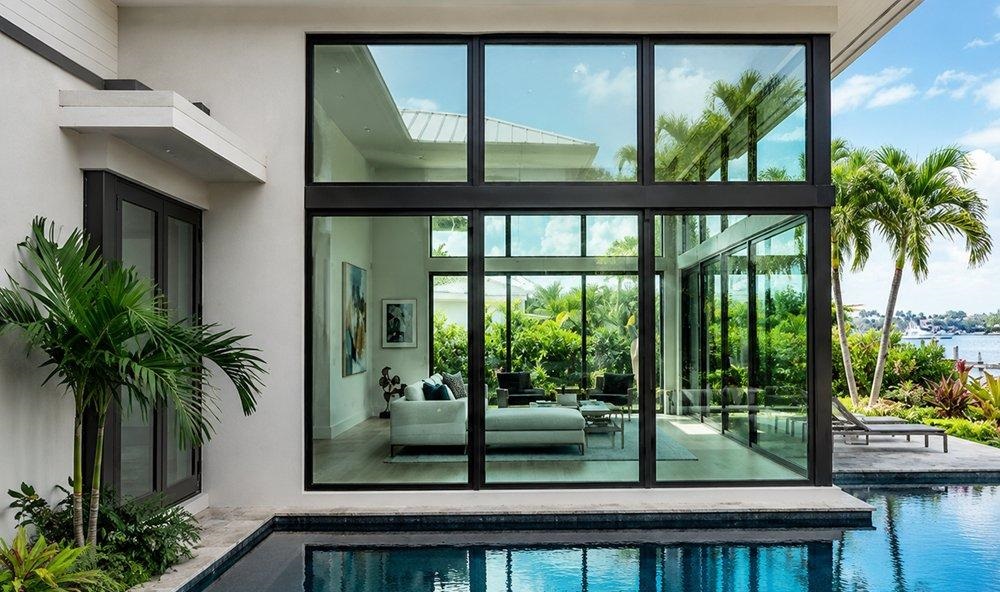
Living in Fort Lauderdale means enjoying ocean breezes, sunny afternoons, and beautiful coastal views. It also means preparing your property for strong winds, heavy rain, and hurricane season. Impact-resistant windows are an important part of that preparation, but even well-built windows can develop problems over time.
A sticking sash, water around the frame, cloudy glass, or a visible crack deserves attention. Some issues can be repaired without replacing the entire window. Others may affect the window’s ability to perform as a tested hurricane-rated system.
If you are searching for Impact Window Repair Ft Lauderdale, this guide explains what to look for, when repair makes sense, when replacement is safer, and how to hire a qualified local professional.
Why Impact Windows Matter in Fort Lauderdale
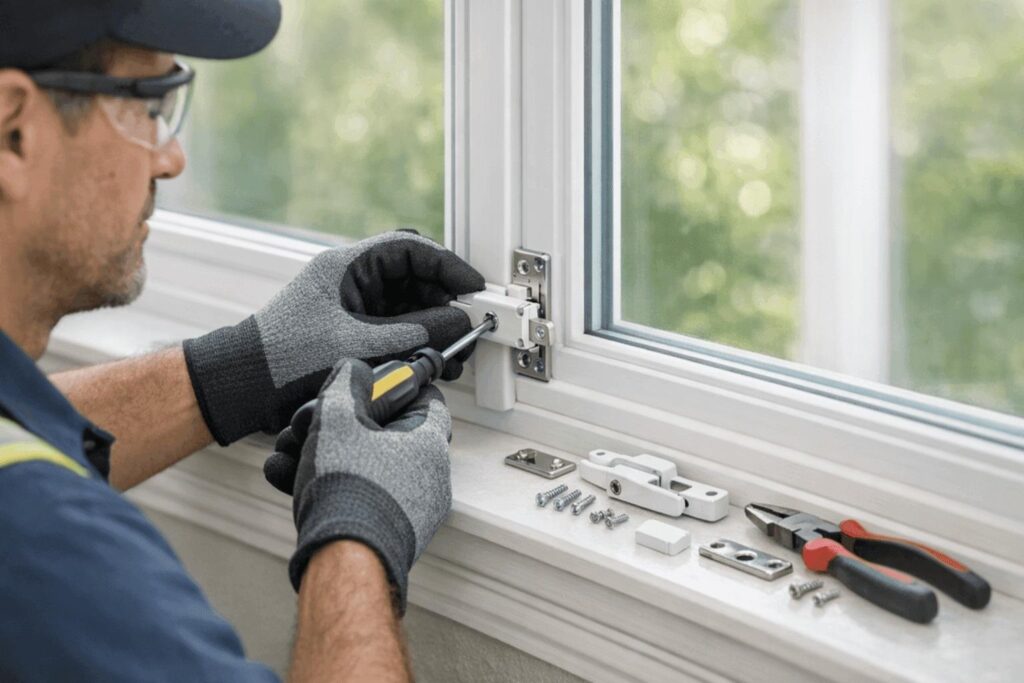
Impact windows are engineered to resist specified wind pressures and flying debris. Many use laminated glass with an interlayer designed to help hold broken glass together after an impact. But the glass is only one part of the system. The frame, anchors, gaskets, and installation details also contribute to performance.
Fort Lauderdale’s coastal climate puts these components to work year-round. Salt air can accelerate corrosion, intense sunlight can age certain materials, and driving rain can reveal gaps in seals or flashing. Everyday opening and closing may gradually wear out hardware.
A properly functioning impact window can offer benefits beyond storm protection, including improved security, noise reduction, and, with suitable glazing, better indoor comfort. Those benefits depend on the product and its condition—not merely the presence of thick glass.
Common Signs Your Impact Windows Need Repair
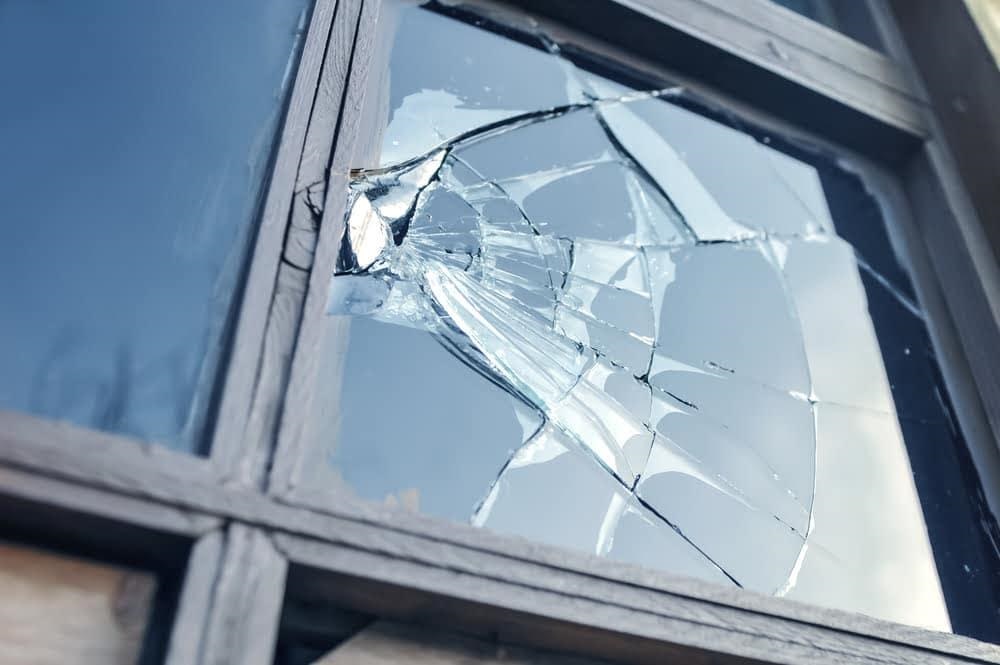
Spotting a problem early can help limit water damage and avoid unnecessary replacement costs.
Cracked or Chipped Impact Glass
A visible crack is not just a cosmetic defect. Laminated impact glass may remain in place after breaking, but that does not mean a damaged unit still meets its original impact rating. A technician should identify the glass system, inspect the damage, and determine whether an approved glazing assembly or the entire window needs replacement.
Avoid relying on adhesive, household glass patches, or ordinary replacement panes as a permanent fix.
Fog or Moisture Between Glass Panes

Some impact windows use insulated glass units with two or more panes. If moisture appears between sealed panes and cannot be wiped away, the insulating seal may have failed.
Interior humidity can also cause condensation on an accessible surface, so the location of the moisture matters. An experienced window specialist can distinguish between these problems and explain whether the sealed unit can be replaced within the approved window system.
Water Leaks Around the Frame
Water stains, soft drywall, peeling paint, and puddles after storms can point to failed weatherstripping, caulking, flashing, or drainage. In some cases, the issue is outside the window itself, such as damaged surrounding wall materials.
Because leaks can have several causes, simply adding more caulk may hide the symptom while allowing moisture to continue entering the wall.
Windows That Stick, Rattle, or Refuse to Lock
A difficult-to-open sash may have worn balances, a damaged operator, a misaligned track, or corroded components. Locks that no longer engage properly can also reduce everyday security.
These hardware issues are often more repairable than damaged impact glazing, provided the replacement components are compatible with the window manufacturer’s specifications.
Can Impact Windows Be Repaired Instead of Replaced?
Yes—sometimes. The right choice depends on which component failed, the window’s age, and whether the original tested configuration can be maintained.
When a Targeted Repair May Work
Common candidates include worn handles, certain locks, operators, balances, weatherstripping, and minor alignment problems. Some drainage or perimeter-seal issues can also be corrected after their cause is diagnosed.
The key is compatibility. A part that fits physically is not automatically approved for every impact-rated product. Ask whether the proposed repair preserves the manufacturer’s instructions and applicable product approval.
When Replacement Is Usually the Better Option
Replacement may be necessary when the laminated glazing is cracked, structural frame members are bent, corrosion has significantly weakened an assembly, or the window was installed incorrectly. Repeated leaks may also point to a larger installation problem.
In some products, a manufacturer-approved replacement glass assembly is an option. In others, the window must be replaced as a complete unit. Do not assume that switching to regular tempered glass will preserve hurricane protection.
Repair Versus Replacement: Think Long Term
Before approving work, compare more than the immediate price. Consider the condition of the frame, the availability of matching parts, the remaining warranty, and the likelihood of another failure soon.
A reasonably priced repair for a sound, newer window can be sensible. A string of repairs on an aging or poorly installed unit may cost more over time than a compliant replacement.
How Professional Impact Window Repair Works
A careful inspection should come before any commitment to replace glass or frames.
Step 1: Inspect the Window and Identify the Product
The technician checks the glass, frame, seals, operating parts, anchors where accessible, and surrounding signs of water entry. They may look for a manufacturer label, product approval number, or purchase documents.
Photos of the damage and notes about when the problem occurs—during windy rain, for example—can make this step more effective.
Step 2: Explain the Options and Written Estimate
A useful estimate describes the specific issue, proposed parts, labor, anticipated lead time, and whether permitting is required. If replacement glazing is proposed, ask how it will match the window’s approved assembly.
For water leaks, the provider should explain the likely source rather than promising that fresh caulk will solve every problem.
Step 3: Complete Repairs and Test Operation
Depending on the work, technicians may adjust hardware, install compatible parts, replace weather seals, or coordinate approved glazing or full-window replacement.
Afterward, the window should open and close correctly, lock securely, and show no obvious gaps. Repairs involving glazing or installation may also require inspections or documentation.
Fort Lauderdale Building Codes and Permits
Code compliance is especially important when a window is part of the building’s hurricane-protection strategy.
Florida’s building code sets wind-load and opening-protection requirements, while product approvals describe the configurations and installation conditions under which a particular window is rated. Broward County is within Florida’s High-Velocity Hurricane Zone framework, where additional provisions apply.
The code edition and approval requirements depend on when the work is permitted. For window replacement in Fort Lauderdale, do not assume that a small-project permit exemption covers the job. The city specifically excludes window replacement from certain minor residential permit exemptions.
Ask your contractor which permits, approved products, and inspections apply to your address. A homeowner may also check with the City of Fort Lauderdale’s permitting department before approving a project.
What Affects Impact Window Repair Costs?
There is no honest one-price-fits-all answer. A simple hardware adjustment and replacement of an entire rated glazing assembly involve very different materials, labor, and risk.
Several factors shape the final quote:
- Type of damage: Adjusting hardware is different from replacing cracked laminated glass.
- Window size and style: Large fixed panels and specialty shapes may require extra handling.
- Brand and model: Matching approved parts may be readily available or require special ordering.
- Access: High-floor condo work can involve additional safety equipment and building coordination.
- Water intrusion: Damage to trim, framing, or nearby walls can increase the scope.
- Permits and inspections: When required, these affect planning and overall cost.
Request a written, itemized estimate from a qualified professional. If comparing bids, make sure each contractor is quoting the same scope and compliant materials.
How to Choose an Impact Window Repair Specialist
Not every general glass repair company works regularly with hurricane-rated assemblies. Look for experience with the brand and window type you own.
Check Licensing, Insurance, and Product Knowledge
Ask the company to explain who will perform the work, what license covers it when applicable, and what insurance they carry. Confirm credentials through Florida’s official licensing resources rather than relying solely on an advertising claim.
A knowledgeable technician should understand laminated glazing, compatible replacement components, local permitting, and how repairs may affect the original product approval.
Ask the Right Questions Before Hiring
Good questions include:
- Can you identify my window’s manufacturer and approval?
- Is this a repairable hardware problem or a glazing-system failure?
- Will replacement components preserve the intended impact-rated configuration?
- Do I need a permit or building inspection?
- What are the labor and parts warranties?
- What happens if hidden water damage is discovered?
Clear answers often matter more than a low headline price.
Simple Maintenance Tips for Coastal Homes
Regular upkeep can help catch small problems before storm season.
Clean Frames and Tracks Gently
Remove sand, salt residue, and loose dirt using a soft cloth and mild cleaner suitable for your window finish. Keep tracks and drainage paths clear. Avoid abrasive pads or chemical products that could harm coatings and seals.
Test the Hardware
Open, close, and lock each operable window periodically. Watch for unusual resistance, scraping, or loose handles. Use lubricants only where the manufacturer recommends them; the wrong product can attract dirt or damage components.
Inspect After Severe Weather
Look for new cracks, water marks, loosened trim, and changes in how the window operates. Photograph anything unusual and contact a qualified professional when damage is suspected.
Do not wait until a hurricane warning to schedule a repair. If glazing is already cracked, ask a professional about safe temporary protection and a permanent, code-compliant solution. Improvised tape is not an impact-rated repair.
Why Local Experience Makes a Difference
Fort Lauderdale homeowners face conditions that differ from those in many inland communities. Coastal moisture, wind-driven rain, condo association requirements, and storm preparation all influence repair decisions.
A local specialist familiar with Broward County can help you understand practical access issues and coordinate documentation when replacement is required. That is particularly useful for waterfront homes, high-rise properties, and older buildings with hard-to-match window systems.
For homeowners considering an upgrade rather than a minor repair, JDM Sliding Doors describes impact-window installation services that include product selection, anchoring, waterproofing, and permit coordination. Homeowners should confirm the exact service needed and the availability of repair work for their particular window.
Frequently Asked Questions
How do I know if my impact window is damaged?
Visible cracks, persistent fog between panes, water stains, loose frames, and difficult operation are common warning signs. A professional inspection can identify whether the problem affects only hardware or the rated window assembly.
Can cracked hurricane-impact glass be fixed?
A crack in the glass generally calls for professional evaluation and replacement of an approved glazing assembly or the window, not a surface patch. The correct option depends on the manufacturer and product approval.
Is foggy impact glass a safety problem?
Fogging between sealed panes often indicates an insulating-seal problem. It does not by itself prove that the impact layer has failed, but the glazing should be evaluated to determine the right remedy.
Do I need a permit to replace an impact window in Fort Lauderdale?
Window replacement commonly requires permitting, and exact requirements depend on the project and property. Check with the City of Fort Lauderdale or your licensed contractor before work begins.
How often should I inspect impact windows?
Give them a visual and operational check at least annually, ideally before hurricane season, and inspect again after major storms. Follow the manufacturer’s maintenance guidance for your specific system.
Will homeowners insurance pay for impact window repairs?
Coverage depends on the policy, deductible, cause of damage, and exclusions. Document the issue, review your policy, and ask your insurer whether a claim makes sense before authorizing insurance-related work.
Conclusion: Keep Your Impact Windows Storm Ready
Impact windows are an investment in home protection, comfort, and peace of mind. When something goes wrong, an accurate diagnosis matters more than a quick cosmetic fix.
For Impact Window Repair Ft Lauderdale, start by documenting the symptoms, confirming the window’s product information, and getting a written assessment from a qualified specialist. Repair compatible hardware when appropriate, but treat cracked impact glass and structural damage as potential replacement issues. With the right approach, your windows can remain dependable through Florida’s demanding coastal weather.

Written by Twastia Editorial Team
Twastia Editorial Team shares practical insights about website design, SEO services, Google Ads, content marketing, social media, conversion rate optimization, and digital marketing strategy.
Last updated: Oct 13, 2026
Related posts from Twastia
Explore more useful articles from twastia.com about digital marketing, SEO, websites, ads, content, and growth strategy.