Impact Windows: Complete Guide to Benefits, Costs, Installation, and Hurricane Protection in 2026
Protecting your home from severe weather is an important responsibility, especially if you live in a hurricane-prone area of the […]

Protecting your home from severe weather is an important responsibility, especially if you live in a hurricane-prone area of the United States. Strong winds, flying debris, and heavy rain can cause serious damage to ordinary windows. That’s why many homeowners are choosing impact windows as a long-term home improvement solution.
These specialized windows are designed to resist wind pressure and impacts from storm-driven debris. Beyond storm protection, they may also provide benefits such as improved noise reduction, enhanced comfort, and better energy performance.
However, purchasing hurricane-resistant windows requires careful planning. You need to understand the available styles, building code requirements, installation costs, and product ratings.
This guide explains everything American homeowners should know about impact windows, helping you make an informed decision before investing in new windows.
What Are Impact Windows?
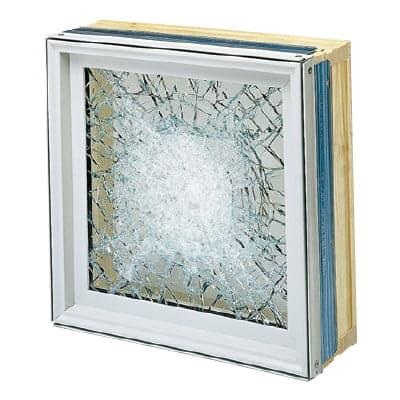
Impact windows are specially engineered windows designed to withstand specified levels of wind pressure and impact from flying debris.
They are commonly installed in coastal locations, particularly Florida and other hurricane-exposed regions.
Unlike standard residential windows, impact-resistant models typically combine laminated glass, reinforced frames, and specialized installation systems.
The entire assembly must perform together to provide the intended protection.
How Do Impact Windows Work?
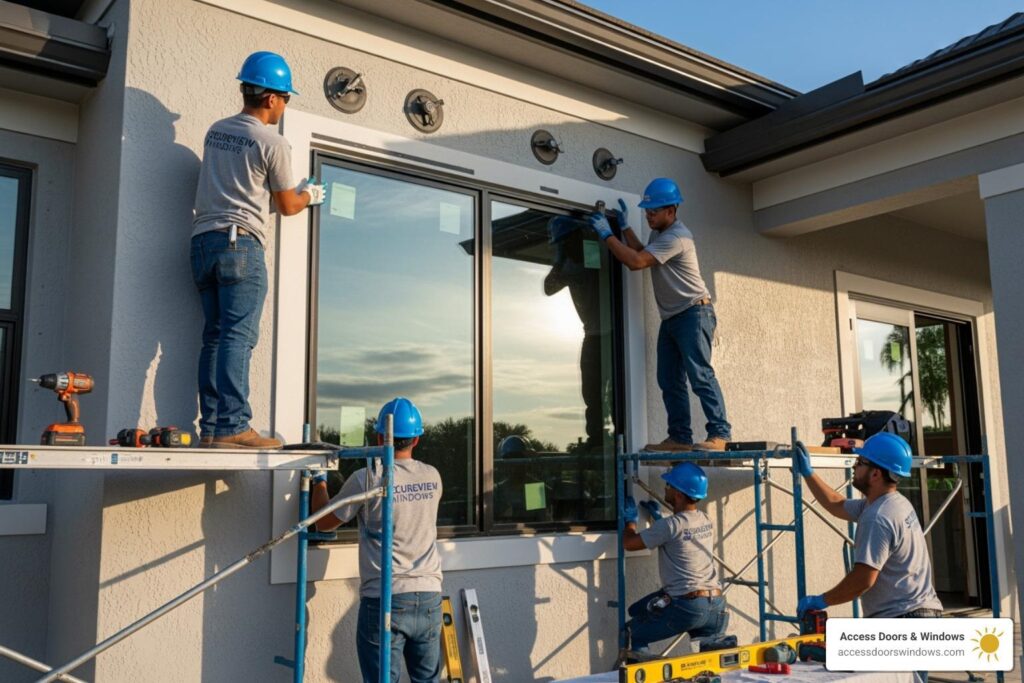
Most impact-resistant windows use laminated glass consisting of multiple glass layers bonded to a durable plastic interlayer.
When flying debris strikes the window, the glass may crack, but the interlayer helps hold the broken pieces together.
This reduces the likelihood of the opening being completely breached during a storm.
However, impact windows are not unbreakable. Their performance depends on the product’s tested rating, the installation, and the severity of the storm.
Even properly installed windows cannot guarantee protection against every hurricane condition.
Top Benefits of Installing Impact Windows
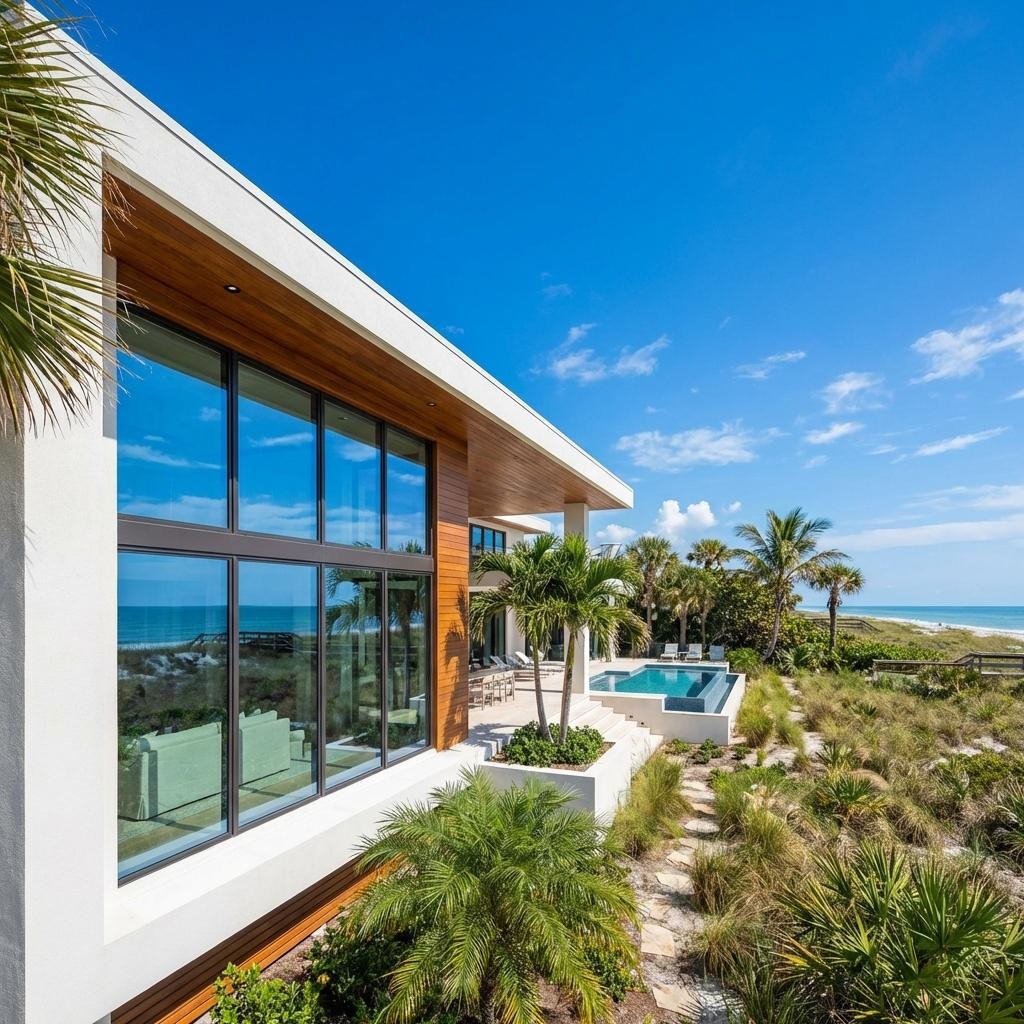
Impact-resistant windows provide several advantages beyond simply upgrading the appearance of your home.
1. Better Hurricane and Storm Protection
The main reason homeowners purchase impact windows is to improve their property’s resistance to severe weather.
During hurricanes, strong winds can carry branches, roof materials, and other debris toward residential buildings.
Tested impact-resistant windows are designed to withstand specified impacts while helping maintain the building envelope.
This added protection can reduce the risk of dangerous openings caused by broken glass.
2. Improved Home Security
Impact-resistant laminated glass can make forced entry through a window more difficult than through ordinary glass.
Its durable interlayer can help keep fractured glass in place.
However, these windows are not necessarily burglar-proof or certified security glazing.
Homeowners should still maintain dependable locks, exterior lighting, and other appropriate security measures.
3. Better Energy Efficiency
Many modern impact windows are available with insulated glazing, low-emissivity coatings, and energy-efficient frame designs.
These features can help reduce unwanted heat transfer.
In warm states such as Florida and Texas, controlling solar heat gain can improve indoor comfort and potentially reduce cooling demand.
The U.S. Department of Energy recommends evaluating window performance using recognized energy-efficiency ratings.
Actual savings depend on the windows being replaced, local climate, and installation quality.
4. Reduced Outdoor Noise
Laminated glass may help limit certain types of outdoor noise, including traffic and neighborhood activity.
This can be particularly beneficial for homes near busy roads or densely populated areas.
However, sound reduction varies by glass thickness, air spaces, frame construction, and the complete window assembly.
Homeowners concerned about noise should compare published acoustic ratings instead of assuming every impact window performs equally.
5. Protection From UV Exposure
Some laminated glass configurations can reduce ultraviolet radiation entering a home.
Limiting UV exposure may help protect flooring, furniture, curtains, and other interior materials from fading.
The level of protection depends on the glazing product.
Request verified manufacturer information when UV protection is a priority.
6. Convenient Year-Round Protection
Unlike removable storm panels, permanently installed impact windows do not generally require homeowners to install external protective covers before every hurricane.
This convenience can be valuable when severe weather approaches unexpectedly.
Nevertheless, windows remain only one part of a complete hurricane preparedness plan.
Different Types of Impact Windows
Impact-resistant windows are available in multiple styles to suit different architectural designs and functional needs.
Single-Hung and Double-Hung Windows
Single-hung windows typically feature a movable lower sash, while double-hung windows allow both sashes to move.
These familiar designs work well in traditional American homes.
Casement Windows
Casement windows open outward using hinges and usually operate with a crank.
They can provide good ventilation and convenient operation when correctly selected and installed.
Horizontal Sliding Windows
Sliding impact windows move horizontally along a track.
They are popular in contemporary homes because they provide a practical opening style without requiring outward clearance.
Fixed Picture Windows
Fixed windows do not open.
They are often selected for large openings where homeowners want unobstructed views and abundant natural light.
Whatever style you prefer, confirm that the specific model has the required impact and wind-pressure approvals.
How Much Do Impact Windows Cost in 2026?
The cost of impact window installation varies depending on the property’s location, window dimensions, frame material, and construction requirements.
According to Angi’s July 2026 cost guide, professional impact window installation typically costs approximately $700 to $2,875 per window.
These are broad national estimates rather than guaranteed local prices.
For a home with ten replacement windows, costs could therefore range from approximately $7,000 to $28,750.
Factors That Affect Impact Window Prices
Window size: Larger openings generally require more expensive glass and stronger supporting systems.
Frame material: Vinyl, aluminum, fiberglass, and other frame options differ in price and performance.
Glass specifications: Advanced insulation, coatings, and specialized ratings can increase costs.
Installation complexity: Difficult access, damaged frames, and structural modifications may require additional labor.
Permits: Local building departments may require permits and inspections for window replacements.
Customization: Unusual shapes, colors, and architectural finishes often cost more than standard products.
Before purchasing, obtain several detailed estimates and confirm exactly which materials and services are included.
How to Choose the Best Impact Windows for Your Home
Not every impact-resistant window offers the same level of protection.
Selecting the right product requires examining both storm-resistance and everyday performance.
Check Product Testing and Approvals
Ask whether the window meets the impact-resistance standards applicable to your property.
In Florida, relevant product approvals may include Florida Product Approval numbers or Miami-Dade Notices of Acceptance.
Miami-Dade County maintains an official product approval database where homeowners and contractors can examine approved products.
An approval should be checked against the specific window configuration, installation requirements, and local building code.
Evaluate Energy Performance
Review the National Fenestration Rating Council label.
Two important measurements are:
- U-factor: Indicates how effectively a window limits heat transfer. Lower numbers generally represent better insulation.
- Solar Heat Gain Coefficient (SHGC): Measures how much solar heat passes through a window. Lower values reduce unwanted solar heat gain.
The best combination depends on your climate and window orientation.
Consider Frame Durability
Coastal environments expose windows to moisture, salt, and changing weather conditions.
Choose frames and finishes appropriate for the local environment.
Proper maintenance is still necessary, even when a manufacturer describes its products as corrosion-resistant.
Professional Impact Window Installation: What to Expect
Correct installation is essential because even high-quality windows may perform poorly when installed incorrectly.
Step 1: Home Inspection and Measurements
A qualified installer examines existing openings, framing conditions, and installation requirements.
Accurate measurements help determine the appropriate window configuration.
Step 2: Product Selection and Permits
The contractor identifies suitable products and verifies required approvals.
Permit applications and supporting documentation are prepared when necessary.
Step 3: Removal of Existing Windows
Old windows are carefully removed while minimizing damage to surrounding walls.
Any discovered deterioration must be addressed before the new units are installed.
Step 4: Installation and Weather Sealing
Installers secure the new windows using the approved anchoring methods.
Proper sealing and flashing help reduce water intrusion.
The exact installation procedure must follow the product approval and manufacturer instructions.
Step 5: Inspection and Final Testing
The installer checks window operation, locking systems, seals, and visible installation details.
Required building inspections are completed before the project is considered finished.
For homeowners comparing professional impact windows services, it is important to confirm contractor credentials, written warranties, and applicable installation requirements.
Impact Windows vs. Hurricane Shutters
Both impact-resistant windows and hurricane shutters can provide protection when properly selected and installed.
However, they serve homeowners differently.
Impact windows offer permanently installed protection and generally allow normal daylight and outdoor views without putting up storm panels.
Hurricane shutters cover existing openings and may have lower initial costs, depending on their design.
Some shutters require manual deployment before storms, while certain permanent systems offer easier operation.
Impact windows usually involve a higher initial investment, but their convenience and potential everyday benefits may justify the additional expense.
The best choice depends on your budget, local codes, existing windows, and desired level of convenience.
Common Mistakes to Avoid When Buying Impact Windows
One common mistake is assuming every window advertised as hurricane-resistant meets the same standards.
Always request documentation for the exact product being installed.
Another mistake is choosing a contractor solely because of a low estimate.
Improper anchoring, poor weather sealing, and incorrect installation can compromise performance.
Homeowners should also avoid assuming that impact windows automatically guarantee insurance discounts.
Discount eligibility depends on the insurer, policy, location, and documented improvements.
Finally, remember that impact-resistant windows cannot replace comprehensive storm preparation, including roof maintenance and emergency planning.
How to Maintain Impact Windows
Impact windows require routine care to maintain their appearance and functionality.
Clean glass surfaces with manufacturer-approved products and avoid abrasive materials.
Inspect weatherstripping, locking mechanisms, and visible seals periodically.
For sliding and operable windows, keep tracks clean and check that the sash moves correctly.
Coastal homeowners should pay particular attention to salt accumulation and exposed hardware.
After a severe storm, inspect windows for cracks, damaged frames, and signs of water intrusion.
Arrange professional evaluation when damage is suspected.
Frequently Asked Questions About Impact Windows
1. Are impact windows completely hurricane-proof?
No. Impact windows are designed and tested to resist specific impact and pressure conditions, but no window can guarantee protection against every hurricane.
Proper selection, installation, and maintenance remain important.
2. How long do impact windows last?
Service life varies according to manufacturing quality, frame materials, environmental exposure, and maintenance.
Well-maintained windows may remain functional for decades, but seals, hardware, and other components can require repair or replacement sooner.
3. Are impact windows worth the investment?
They can be especially valuable in hurricane-prone regions where improved storm resistance is a priority.
Additional advantages may include convenience, noise reduction, and energy-efficiency improvements.
The financial return depends on local conditions and installation expenses.
4. Can impact windows reduce homeowners insurance premiums?
Possibly. Some insurers offer wind-mitigation discounts for qualifying protective features.
However, savings are not automatic, and eligibility requirements vary.
Contact your insurance company before making financial assumptions.
5. Do impact windows require hurricane shutters?
Not necessarily. Properly approved impact-resistant windows may satisfy applicable opening-protection requirements without additional shutters.
Confirm the specific requirements with your local building department.
6. Can impact windows be installed in an existing home?
Yes. Many homeowners install impact windows as replacements for older residential windows.
However, the condition of existing openings, framing, and surrounding walls must be evaluated before installation.
7. How long does impact window installation take?
The timeline depends on the number of windows, property condition, permit approvals, and installation complexity.
Individual window replacements may be completed relatively quickly, while larger projects can require several days or longer.
Conclusion
Investing in impact windows is a practical way to improve your home’s resistance to severe weather while potentially enhancing comfort, noise control, and energy performance.
For homeowners in hurricane-prone parts of the United States, these windows can provide convenient, year-round protection without the repeated setup required by certain storm shutter systems.
However, choosing the correct product and hiring a qualified installer are essential.
Compare certified window options, review local building requirements, request detailed estimates, and understand the warranty before making a final decision.
With careful planning and professional installation, impact windows can become a valuable part of a safer, more comfortable, and better-prepared home.

Written by Twastia Editorial Team
Twastia Editorial Team shares practical insights about website design, SEO services, Google Ads, content marketing, social media, conversion rate optimization, and digital marketing strategy.
Last updated: Oct 13, 2026
Related posts from Twastia
Explore more useful articles from twastia.com about digital marketing, SEO, websites, ads, content, and growth strategy.