leased up all 200 units in less than ten months: The Best Guide to Rapid Property Leasing
In the competitive world of American real estate development, the difference between a wildly successful multifamily investment and a struggling […]
In the competitive world of American real estate development, the difference between a wildly successful multifamily investment and a struggling financial burden often boils down to a single critical metric: the lease-up velocity. When a developer pours tens of millions of dollars into purchasing land, securing construction loans, and building a brand-new residential community,
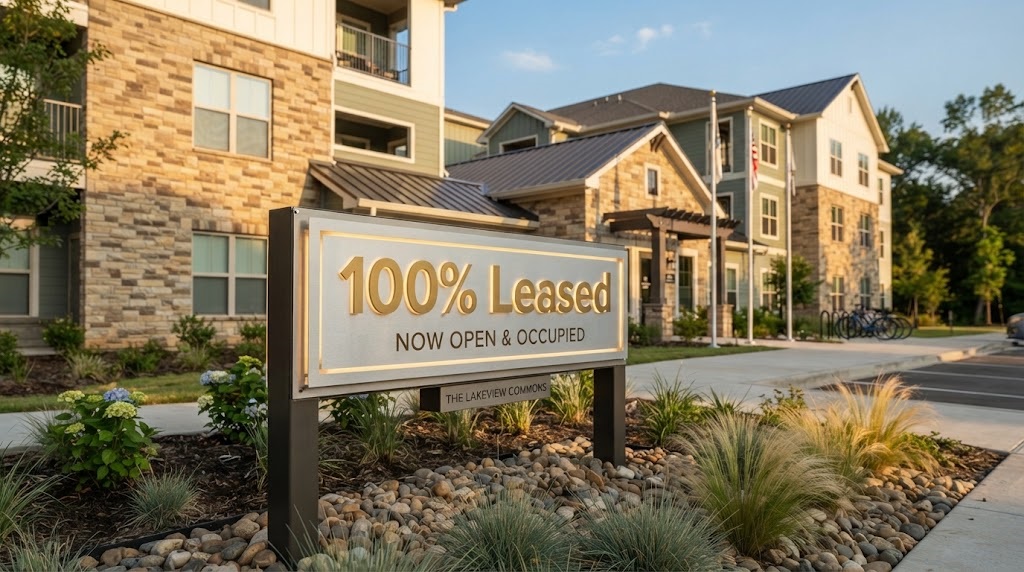
every single month that apartments sit vacant represents thousands of dollars in lost revenue and unpaid debt service. Achieving stabilization—the industry milestone where a property reaches 90% to 95% occupancy—is a grueling trial by fire for property managers. However, elite real estate marketing teams occasionally achieve extraordinary velocity, accomplishing the monumental feat where a development team leased up all 200 units in less than ten months.
Reaching full stabilization in under a year for a mid-sized multifamily community requires far more than putting up a generic “For Rent” banner on the fence and waiting for tenants to walk through the door. It demands an aggressive,
highly synchronized digital marketing campaign, competitive pricing psychology, exceptional on-site customer service, and flawless construction staging. When a property management company successfully leased up all 200 units in less than ten months, they prove that a strategic blend of digital outreach, local community networking, and resident retention principles can shatter standard real estate absorption timelines.
In this comprehensive guide, we will explore the core strategies that allow elite multifamily developers to dominate local rental markets. We will break down the pre-leasing timeline, examine how to leverage digital advertising and virtual tours, discuss concession strategies without devaluing the asset, and answer the most frequently asked questions about mastering rapid property lease-ups.
The Anatomy of a Successful Multifamily Lease-Up
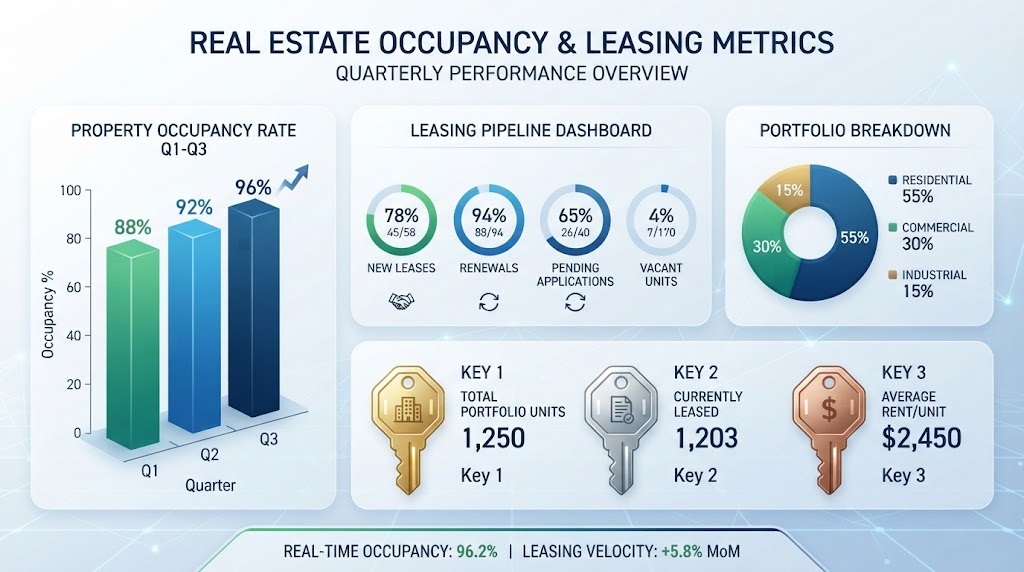
Understanding the baseline economics of real estate development helps contextualize why speed is so vital during the initial operational phase of a new apartment community.
The Financial Pressure of New Construction
When a developer secures construction financing from a bank, the loan typically transitions into permanent debt once the property achieves stabilization. During the construction and lease-up phases, the developer is paying heavy monthly interest reserves.
If a property takes 18 to 24 months to reach full occupancy—the historical average for many unprepared developments—the financial bleeding can severely erode projected profit margins. Conversely, when a masterclass property management team leased up all 200 units in less than ten months, they slash holding costs, satisfy institutional investors, and pivot the property into positive cash flow ahead of schedule.
Setting Realistic Absorption Expectations
In the United States real estate sector, normal market absorption rates for mid-sized luxury apartments typically hover around 10 to 15 units per month per property, depending on the metropolitan area. Achieving the velocity required to ensure a property
leased up all 200 units in less than ten months requires doubling or tripling that baseline absorption rate, averaging 20 or more signed leases every single month. This level of performance cannot happen by accident; it requires a meticulously engineered marketing funnel that captures high-intent renters before construction is even finished.
Pre-Leasing Strategies: Building Momentum Before Opening Doors
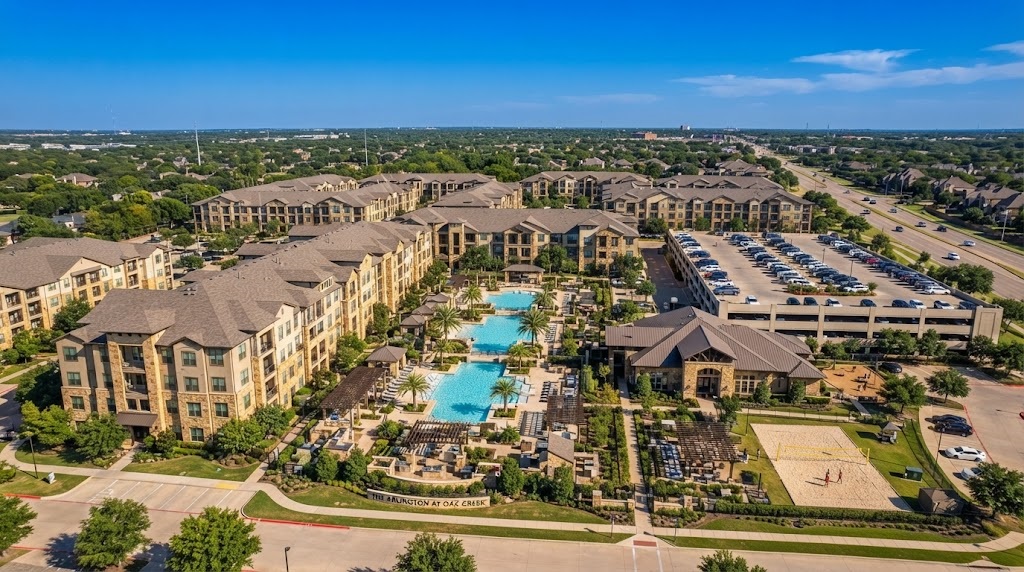
The race to stabilization does not begin on the day the certificate of occupancy is issued. The most successful developments start generating revenue months before the first tenant physically unpacks moving boxes.
Launching a Digital Leasing Center Early
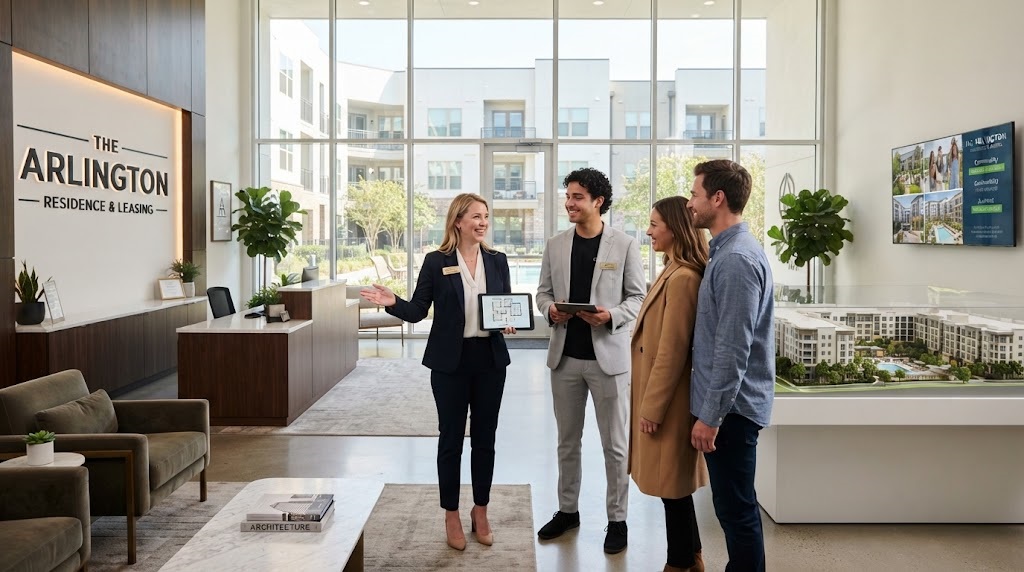
Waiting until a building is completely finished before marketing it is a massive strategic error. Six months prior to construction completion, developers should establish a temporary, highly professional off-site or on-site leasing trailer. This space should feature
high-end 3D architectural renderings, physical material samples (such as quartz countertops and luxury vinyl plank flooring), and interactive digital touchscreens displaying floor plans. When a community successfully leased up all 200 units in less than ten months, it is almost always because they built an active waiting list long before the front doors officially unlocked.
Leveraging Virtual Tours and Digital Renderings
Modern renters—particularly millennials and Gen Z professionals moving across the country for jobs in tech hubs like Austin, Denver, or Charlotte—demand digital transparency. Before construction is finalized, prospective residents cannot physically walk through a drywall-heavy apartment. High-end properties solve this by investing heavily in photorealistic
3D virtual reality walkthroughs, drone footage showcasing neighborhood views, and detailed floor plan animations. Providing these immersive digital assets online allows out-of-state applicants to tour and reserve units sight-unseen, dramatically accelerating the lease-up timeline.
Marketing and Pricing Tactics That Drive Velocity
Once construction wraps up and the property is ready for immediate move-ins, marketing and pricing strategies must adapt dynamically to shifting market conditions.
Dynamic Pricing and Concession Strategy
Setting rental rates during a lease-up is a delicate balancing act. If rents are set too high, units sit vacant; if they are set too low, you leave thousands of dollars on the table and attract high tenant turnover. Elite operators utilize sophisticated revenue management software (such as RealPage or Yardi) to adjust rates daily based on real-time supply and demand.
Furthermore, when aiming to ensure a property leased up all 200 units in less than ten months, smart operators utilize strategic concessions—such as “Look and Lease” specials (e.g., $500 off the first month’s rent) or “One Month Free on 13-Month Leases”—rather than permanently lowering base rents, which protects the property’s long-term valuation.
Hyper-Targeted Digital Advertising and SEO
Relying solely on organic foot traffic or legacy classified ads will never generate the volume required for rapid absorption. A winning marketing campaign combines geo-targeted pay-per-click (PPC) Google ads, hyper-localized social media campaigns on Instagram and
Facebook, and aggressive search engine optimization (SEO) targeting local neighborhood keywords. When prospective renters search for luxury apartments in your zip code, your property must dominate the search results. Properties that leased up all 200 units in less than ten months treat digital customer acquisition like a high-performance e-commerce funnel, tracking every click from initial ad impression to signed lease contract.
The On-Site Experience: Closing the Deal
Getting prospective renters through the front door is only half the battle; your on-site leasing team must convert those tours into signed leases with ruthless efficiency.
Hiring and Training Elite Leasing Professionals
The leasing office is the heartbeat of a new development. Property managers must hire energetic, customer-centric leasing agents who possess exceptional sales acumen and deep knowledge of the local neighborhood. Every tour should feel like a personalized VIP experience. When an apartment community leased up all 200 units in less than ten months,
their leasing staff excels at uncovering prospect pain points, highlighting unique community amenities (like co-working spaces, pet spas, and rooftop lounges), and creating an immediate sense of urgency by emphasizing limited availability.
Streamlining the Digital Application Process
Friction kills conversions. If a prospective renter has to print out a paper application, scan it, and email it back, you will lose them to a competitor offering instant mobile applications. Modern properties utilize fully digitized, mobile-optimized
CRM and leasing platforms (such as Knock or Funnel) that allow applicants to tour a unit, fill out background check forms, submit pay stubs, and sign their lease agreement electronically from their smartphones in under ten minutes. Eliminating administrative friction ensures that momentum is never lost during the crucial closing phase.
Frequently Asked Questions
What is a multifamily property lease-up?
A lease-up is the initial operational phase of a newly constructed or heavily renovated apartment community where the property manager works to fill vacant units with paying tenants until the building reaches stabilized occupancy (typically 90% to 95%).
How long does a typical apartment lease-up take?
Historically, standard apartment lease-up timelines range from 12 to 24 months, depending on the size of the building, local market saturation, and economic conditions. Achieving a milestone where a property leased up all 200 units in less than ten months is considered exceptional performance.
How do developers build a waiting list before construction finishes?
Developers build pre-leasing momentum by opening an off-site leasing trailer months in advance, utilizing 3D virtual reality floor plan tours, running targeted digital ad campaigns, and offering exclusive “founder’s rates” to early applicants.
Are rental concessions necessary during a rapid lease-up?
While not strictly mandatory, strategic concessions—such as offering a free month of rent or waiving application fees for early applicants—are powerful tools used to incentivize immediate leasing decisions and accelerate overall property absorption.
What role does property management software play in leasing speed?
Modern CRM software automates lead follow-up, tracks marketing channel ROI, streamlines online applications, and manages digital lease signings, allowing leasing teams to respond to prospective tenants within minutes rather than hours.
How does achieving rapid lease-up impact property valuation?
Reaching stabilization quickly drastically reduces debt carrying costs, stops monthly interest reserve bleeding, and allows the developer to refinance the construction loan into permanent, lower-interest financing or sell the asset at peak market valuation much faster.
What amenities attract renters the fastest in current markets?
Today’s renters place a massive premium on remote work flexibility (such as dedicated co-working conference rooms and high-speed Wi-Fi common areas), pet-friendly amenities (like fenced dog parks and pet washing stations), smart home tech, and resort-style fitness centers.
Conclusion
The journey from an empty dirt lot to a fully occupied, thriving residential community is one of the most complex undertakings in the American real estate industry. Navigating the intense financial pressures of construction loans requires absolute mastery over leasing velocity. When a talented development and property management team achieves the remarkable milestone where they leased up all 200 units in less than ten months,
they demonstrate the incredible power of strategic pre-marketing, immersive digital technology, dynamic pricing psychology, and relentless on-site sales execution. By implementing these rigorous operational frameworks, property owners can eliminate costly vacancy periods, maximize their investment returns, and transform new developments into premier community destinations in record time.

Written by Twastia Editorial Team
Twastia Editorial Team shares practical insights about website design, SEO services, Google Ads, content marketing, social media, conversion rate optimization, and digital marketing strategy.
Last updated: Oct 23, 2026
Related posts from Twastia
Explore more useful articles from twastia.com about digital marketing, SEO, websites, ads, content, and growth strategy.