WPC timber tubes: The Best Guide to Modern Architectural Cladding
When walking through the newly developed urban centers and upscale suburban neighborhoods across the United States, architectural design trends are […]
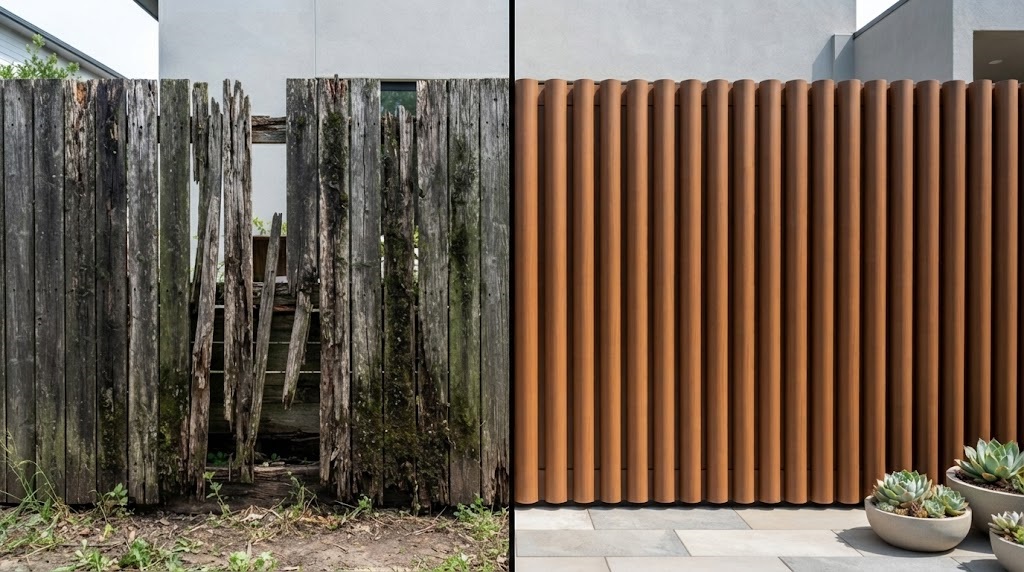
When walking through the newly developed urban centers and upscale suburban neighborhoods across the United States, architectural design trends are shifting dramatically. Traditional exterior finishes like flat stucco, generic vinyl siding, and high-maintenance natural wood are rapidly giving way to dynamic, tactile textures that blend organic warmth with industrial precision.
Among the most innovative materials captivating modern architects, builders, and discerning homeowners is the versatile wood-plastic composite batten system. Specifically, incorporating WPC timber tubes into residential and commercial facades has emerged as the premier method for achieving the organic aesthetic of natural timber without enduring the grueling maintenance cycle associated with organic wood.
Natural timber has always held a cherished place in American architecture, offering rich textures, warm earth tones, and a welcoming organic appeal. However, when exposed to the punishing elements of the American climate—ranging from the freezing snowstorms of the Northeast and the humid torrential rains of the South to the blistering ultraviolet radiation of the Southwest—natural wood degrades rapidly.
It warps, splits, fades, attracts termites, and demands relentless sanding, staining, and sealing every single year. Engineered as an advanced alternative, WPC timber tubes combine recycled wood fibers and high-grade polymers to deliver absolute weather resistance, structural rigidity, and stunning visual depth.
In this comprehensive guide, we will explore the foundational composition of composite architectural elements, examine why design professionals are heavily favoring WPC timber tubes for contemporary facades, break down the key installation and structural benefits, and answer the most frequently asked questions about upgrading your property’s exterior aesthetic.
Understanding the Material Composition of WPC
To appreciate why composite architectural profiles outperform traditional organic timber, it is essential to examine how these modern materials are manufactured.
The Synergy of Recycled Wood and Polymers
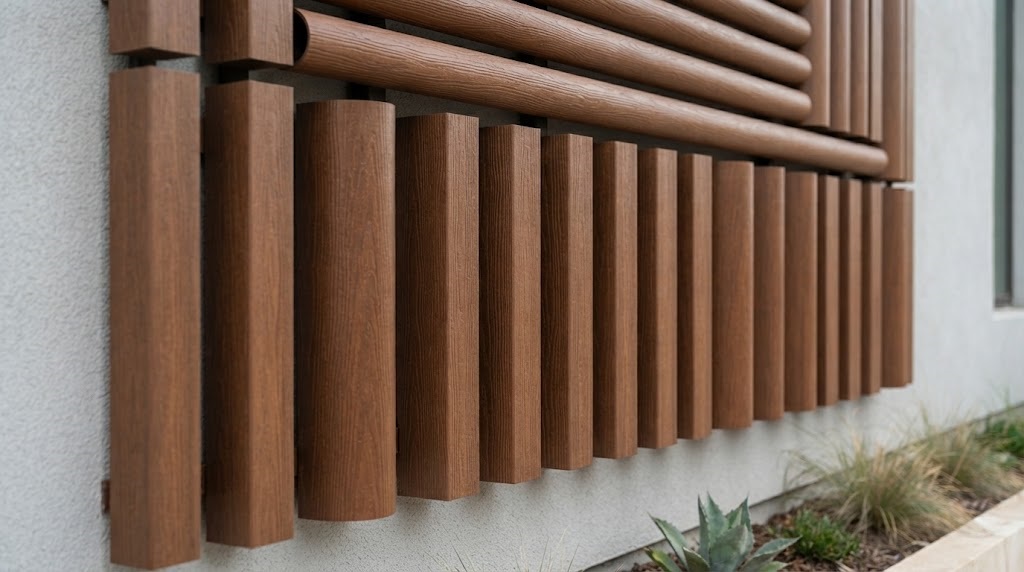
Wood-Plastic Composite (WPC) is created by blending finely ground reclaimed wood particles—such as sawdust and hardwood shavings from lumber mills—with thermoplastic resins (typically high-density polyethylene, polypropylene, or PVC) along with specialized binding agents, UV stabilizers, and color pigments.
This homogeneous mixture is then extruded through high-pressure steel dies to form hollow or solid architectural shapes, including WPC timber tubes. By encapsulating individual wood fibers within a protective polymer matrix, manufacturers effectively seal out moisture, preventing the rot and fungal decay that plagues natural timber.
Ecological Sustainability and Green Building
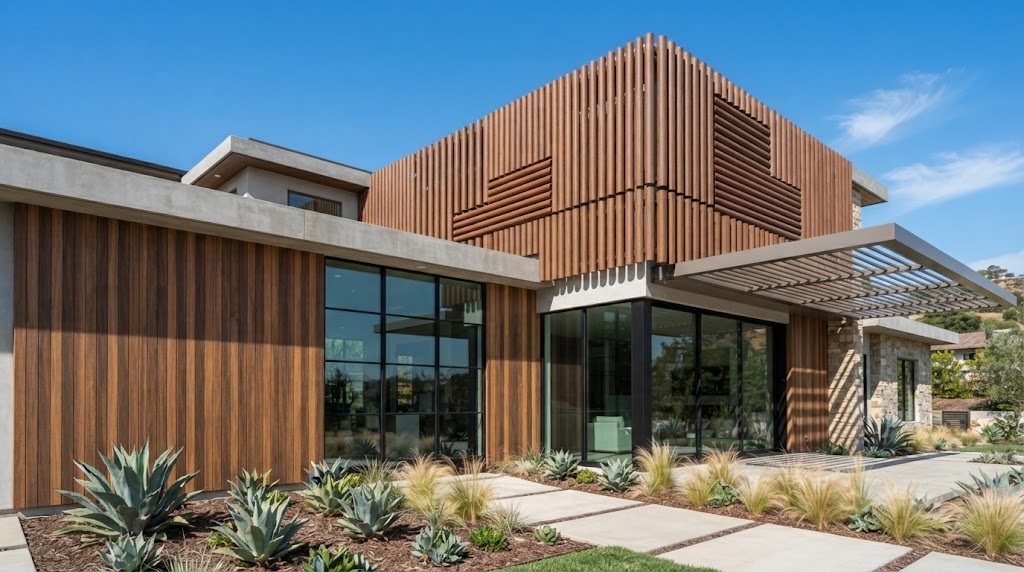
In an era where sustainable construction is a primary focus for developers across the USA, composite building materials offer exceptional environmental credentials. The majority of WPC timber tubes are manufactured using 90% or more recycled content, diverting millions of pounds of sawdust and plastic packaging away from local landfills. Furthermore,
because these composite elements last for decades without requiring toxic chemical treatments, paints, or synthetic wood preservatives, they contribute significantly to green building certifications such as LEED (Leadership in Energy and Environmental Design), making them a responsible choice for eco-conscious architects.
Architectural Applications for WPC timber tubes
The design versatility of composite hollow profiles is astonishing. Architects and interior designers utilize WPC timber tubes across a wide spectrum of creative structural applications.
Exterior Facade Cladding and Siding
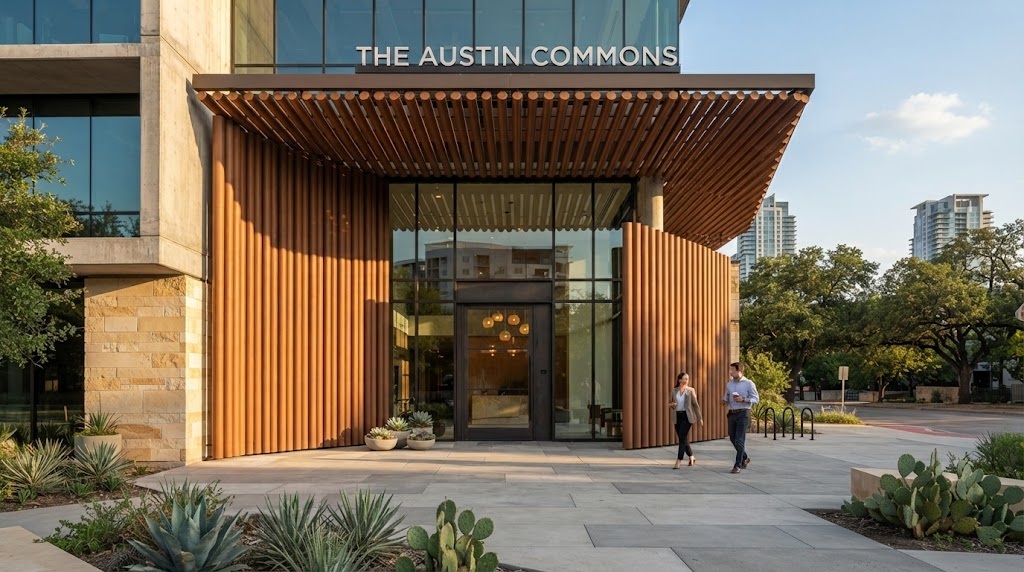
The most prominent application for these engineered profiles is exterior architectural cladding. By mounting WPC timber tubes vertically or horizontally across a building’s facade, designers create mesmerizing shadow lines, rhythmic textures, and stunning depth that completely transforms flat, uninspired exterior walls. Whether used to accent the entryway of a modern suburban home or to clad the entire exterior of a multi-story commercial office building, these battens provide the timeless warmth of natural cedar or redwood without any of the structural vulnerability.
Interior Feature Walls and Room Dividers
The application of composite profiles is not restricted to exterior building envelopes. Interior designers increasingly specify WPC timber tubes for striking interior architectural features. They are frequently utilized to construct open-slat room dividers in
expansive loft apartments, create dramatic slatted ceiling baffles in corporate boardrooms, or build backlit feature accent walls in luxury hotel lobbies. Their lightweight hollow construction makes them exceptionally easy to anchor to interior drywall or steel framing studs, opening up endless possibilities for modern interior styling.
Key Advantages Over Natural Wood and Metal
When evaluating exterior cladding options, building owners must weigh aesthetics against long-term operational costs. WPC timber tubes offer a compelling set of distinct advantages.
Complete Resistance to Rot, Insects, and Weather
Natural timber is an organic food source for subterranean termites, carpenter ants, and wood-boring beetles. Furthermore, wood absorbs ambient moisture, which causes swelling during rainy seasons followed by severe cracking and warping during dry summer heatwaves.
WPC timber tubes are completely impervious to insect infestations and moisture absorption. They will not splinter, rot, or degrade, even when installed in humid coastal environments or wet poolside cabana settings.
Zero Maintenance and Permanent Color Stability
Maintaining a natural timber accent wall requires a massive ongoing investment of time and money. Homeowners must pressure-wash, sand, and re-apply exterior stains or clear sealants every 12 to 24 months to prevent the wood from turning a weathered, chalky gray. In contrast,
WPC timber tubes feature advanced co-extruded outer shells infused with UV-blocking pigments. They require zero sanding, painting, or staining. An occasional rinse with a garden hose and mild soap is all that is required to keep your investment looking pristine for decades.
Installation and Structural Engineering Insights
While composite profiles are engineered for user-friendly installation, executing a flawless architectural finish requires precise planning and adherence to manufacturer guidelines.
The Importance of Aluminum Sub-Framing
Because WPC timber tubes are often hollow or semi-hollow profiles designed for lightweight efficiency, they must be mounted onto a rigid, corrosion-resistant sub-frame—typically consisting of extruded aluminum battens or galvanized steel clips.
Direct attachment to rotting wooden substrates should be avoided. Professional installers anchor the aluminum support grid securely to the structural framing of the building, ensuring proper ventilation gaps behind the WPC timber tubes to allow trapped moisture to escape safely.
Managing Thermal Expansion and Contraction
Like all polymer-based building materials, composite profiles expand and contract slightly with extreme temperature fluctuations throughout the changing seasons. When installing WPC timber tubes, professional contractors always leave small,
manufacturer-recommended expansion gaps at butt joints and end caps. Failing to account for thermal movement can cause buckling or warping over time, highlighting the importance of hiring experienced, factory-trained installation crews for large-scale architectural projects.
Frequently Asked Questions
What are WPC timber tubes made of?
WPC timber tubes are engineered from a durable blend of recycled wood fibers (sawdust or wood flour) and thermoplastic polymers (such as HDPE or PVC), combined with UV inhibitors and color pigments to ensure long-lasting performance.
Do WPC timber tubes look and feel like real wood?
Yes. High-end manufacturing processes utilize embossed wood-grain textures and multi-tonal color blending, ensuring that WPC timber tubes possess the rich, organic visual warmth of natural timber without the maintenance headaches.
Can WPC timber tubes be used outdoors?
Absolutely. They are specifically engineered for demanding exterior applications, including architectural facade cladding, sun-shading louvers, balcony screening, and gate designs, resisting rain, snow, and intense UV rays.
Do I need to paint or seal WPC timber tubes?
No. One of the primary benefits of choosing WPC timber tubes is that they require zero painting, staining, or sealing. The color is thoroughly embedded throughout the material or protected by a fade-resistant exterior cap layer.
Are WPC timber tubes heavy to install?
No. Because many architectural profiles feature a hollow internal tubular design, WPC timber tubes are surprisingly lightweight compared to solid timber or heavy steel beams, making them easier to handle and faster to install on job sites.
How do you clean and maintain a WPC facade?
Maintenance is minimal. An occasional wash using a standard garden hose, soft-bristle brush, and mild dish soap is more than sufficient to remove accumulated dust, pollen, and surface debris.
Are WPC timber tubes resistant to fading from the sun?
Modern composite profiles feature advanced UV-stabilized outer caps designed to resist fading. While a very minor, natural weathering shift may occur during the first few months of direct sunlight exposure, the color stabilizes permanently thereafter.
Conclusion
The evolution of building materials continues to unlock new horizons for architects, designers, and property owners seeking to harmonize organic beauty with uncompromising modern durability. Natural wood will always hold aesthetic appeal, but its relentless demand for maintenance, susceptibility to rot, and vulnerability to insect damage make it impractical for many demanding modern environments. By incorporating
WPC timber tubes into your next residential or commercial exterior renovation, you achieve the sophisticated, tactile warmth of natural wood backed by the bulletproof performance of advanced polymer engineering. Say goodbye to endless sanding and staining cycles, and embrace a sustainable, low-maintenance architectural future that elevates your property’s curb appeal and structural integrity for decades to come.

Written by Twastia Editorial Team
Twastia Editorial Team shares practical insights about website design, SEO services, Google Ads, content marketing, social media, conversion rate optimization, and digital marketing strategy.
Last updated: Oct 23, 2026
Related posts from Twastia
Explore more useful articles from twastia.com about digital marketing, SEO, websites, ads, content, and growth strategy.