paint your large property: The Best Guide to Professional Exterior Painting
Owning a sprawling residential estate, a large commercial building, or an extensive suburban property in the United States is a […]
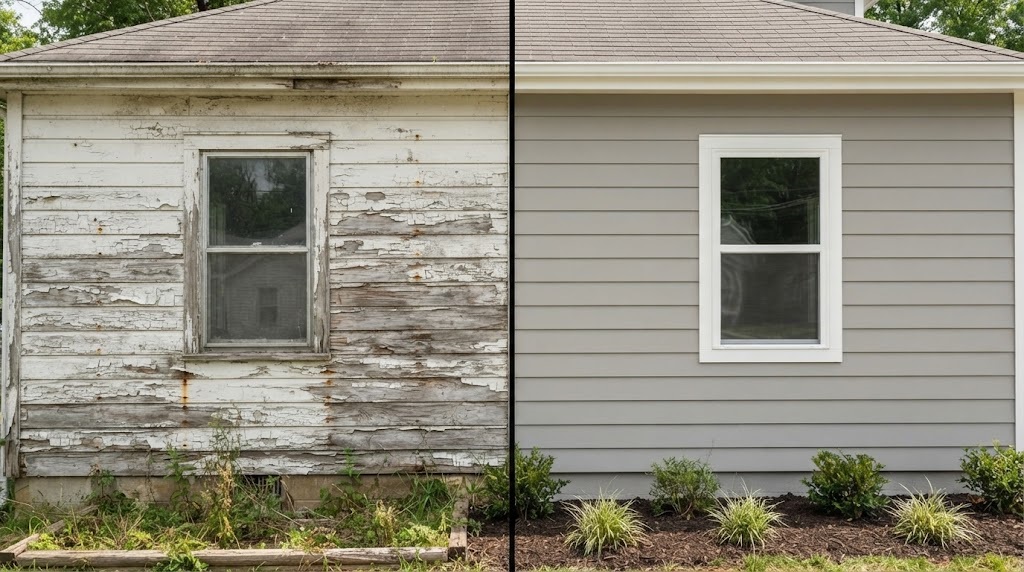
Owning a sprawling residential estate, a large commercial building, or an extensive suburban property in the United States is a tremendous source of pride and financial equity. However, maintaining the exterior envelope of a massive structure requires an immense commitment of time, resources, and strategic planning. Over time, relentless exposure to ultraviolet solar radiation,
driving rain, freezing winter snows, and fluctuating humidity levels takes a severe toll on exterior substrates. Paint begins to chalk, peel, fade, and crack, leaving your valuable real estate vulnerable to moisture infiltration, wood rot, and structural decay. When the time comes to paint your large property, approaching the project with a casual, do-it-yourself mindset is rarely effective; it demands a professional, industrial-grade strategy.
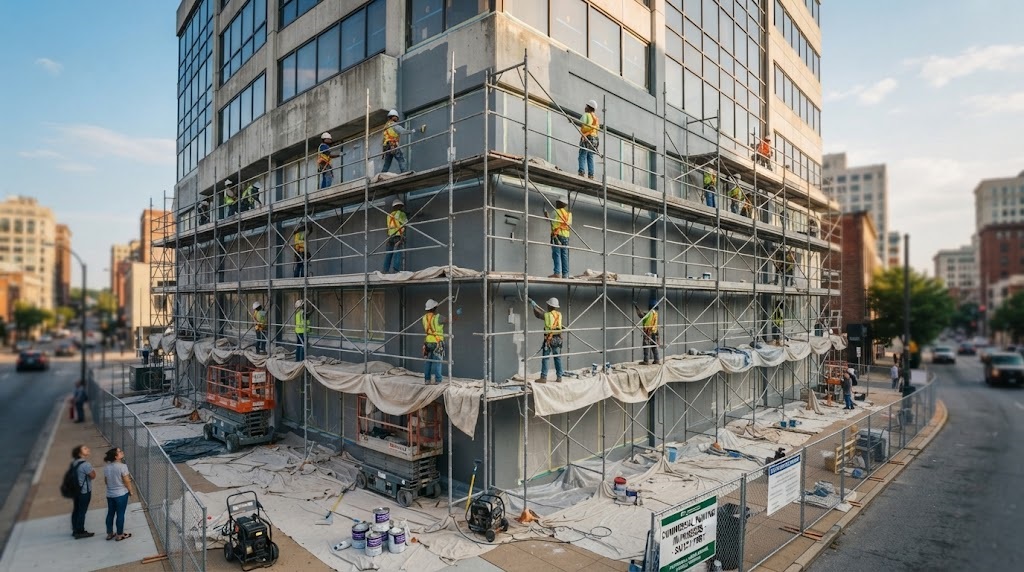
Tackling a massive painting project involves far more than simply climbing a ladder with a roller and a bucket of paint. Surface preparation alone can take weeks of pressure washing, scraping, caulking, and priming before a single drop of color is applied. Furthermore, operating safely at elevated heights across multi-story facades requires specialized scaffolding,
safety harnesses, and heavy-duty spraying equipment. Whether you are managing a sprawling ranch-style estate in Texas or a towering multi-building commercial complex in the Midwest, understanding the foundational principles of large-scale exterior restoration ensures your investment yields decades of durability and breathtaking curb appeal.
In this comprehensive guide, we will explore the critical steps required when you plan to paint your large property. We will break down surface preparation techniques, examine how to select the highest-quality weather-resistant coatings, weigh the pros and cons of hiring professional painting contractors versus managing a massive DIY project, and answer the most frequently asked questions about exterior building maintenance.
Understanding the Scope of a Large-Scale Painting Project
Before purchasing hundreds of gallons of paint, stepping back to evaluate the true scale of the undertaking is essential for preventing costly delays and budget overruns.
Assessing Substrate Materials and Surface Area
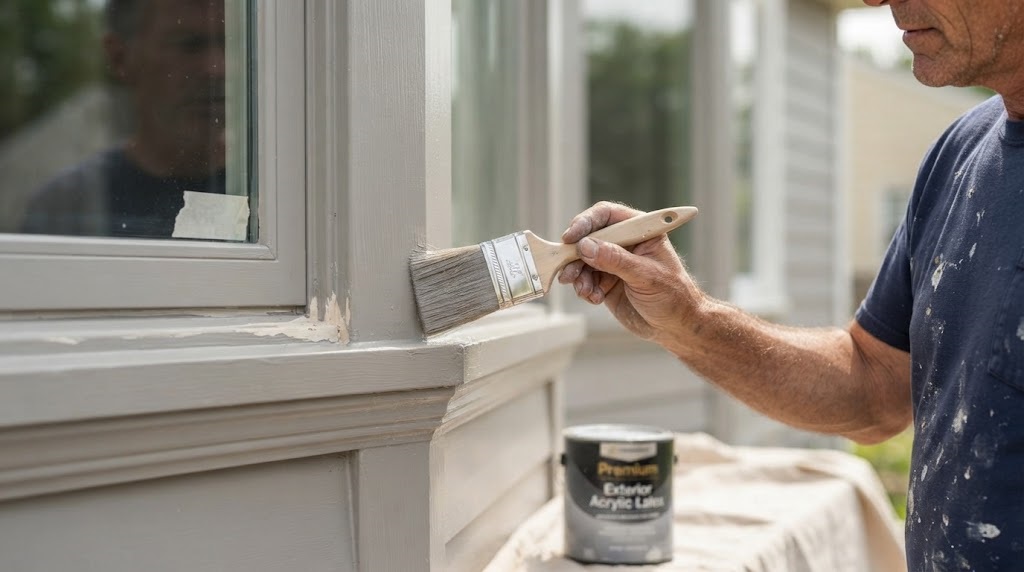
Different exterior building materials require vastly different preparation methods and coating formulations. A sprawling estate might feature a complex combination of wood clapboard siding, fiber-cement panels, stucco, brick masonry, and wrought-iron fencing. Each of these surfaces reacts differently to moisture and thermal expansion. When you prepare to
paint your large property, your first step must be a comprehensive physical audit of every square foot of the exterior. Identifying areas of active water damage, rotted wood trim, crumbling mortar joints, or peeling lead-based paint allows you to build an accurate scope of work and budget realistically before contractors arrive. your large property
The Economic Impact of Proper Exterior Maintenance
The exterior paint layer acts as the primary moisture barrier protecting your building’s structural framing. When paint fails, water penetrates the porous substrates beneath, leading to mold growth, structural wood rot, and expensive carpentry repairs. Investing in a
professional-grade coating cycle not only transforms your property’s visual aesthetic but also protects its underlying market value. Real estate experts consistently note that maintaining a pristine exterior yields an exceptional return on investment, significantly boosting curb appeal if you ever decide to put the property on the housing market.your large property
The Importance of Meticulous Surface Preparation
Ask any master painter what separates a mediocre paint job that peels within two years from a professional finish that lasts a decade, and their answer will be unanimous: surface preparation.
Pressure Washing and Chemical Cleaning
Before any new coating can adhere successfully, years of accumulated dirt, chalky oxidation, bird droppings, mold, and airborne pollutants must be completely eradicated. For large properties, professional painting crews utilize commercial-grade pressure
washers combined with specialized eco-friendly detergents to thoroughly scrub the entire exterior envelope. Once washed, the building must be given adequate time to dry completely—often 48 to 72 hours—trapped moisture beneath a fresh coat of paint will quickly cause bubbling, blistering, and premature peeling.
Scraping, Sanding, and Priming Vulnerable Areas
Once the structure is clean and dry, the labor-intensive work of scraping away loose, flaking paint begins. Using carbide scrapers and orbital sanders, workers smooth down jagged paint edges to create a seamless transition between bare substrate and sound
existing paint. Following scraping, every single bare wood spot, rusted metal nail head, or patched masonry crack must be spot-primed with a specialized bonding primer. Skipping primer when you paint your large property guarantees that the topcoat will eventually fail due to poor adhesion.
Selecting the Right Coatings and Application Equipment
Using cheap, low-grade paint on a massive exterior project is a false economy that will cost you double in labor when it fails prematurely.
Choosing 100% Acrylic Latex and Elastomeric Paints
Modern exterior paint technology has advanced dramatically. For most standard siding materials, high-grade 100% acrylic latex paint is the industry gold standard. Acrylic resins offer superior flexibility, allowing the paint film to expand and contract smoothly with the building materials as temperatures fluctuate throughout the seasons. Furthermore, acrylic paints are
breathable, allowing internal moisture vapor to escape without bubbling the paint film. For properties featuring stucco or concrete masonry, specialized elastomeric coatings are often required. These thick, rubberized coatings bridge hairline cracks and provide superior waterproofing protection against heavy wind-driven rain.
Airless Paint Sprayers and Professional Application Tools
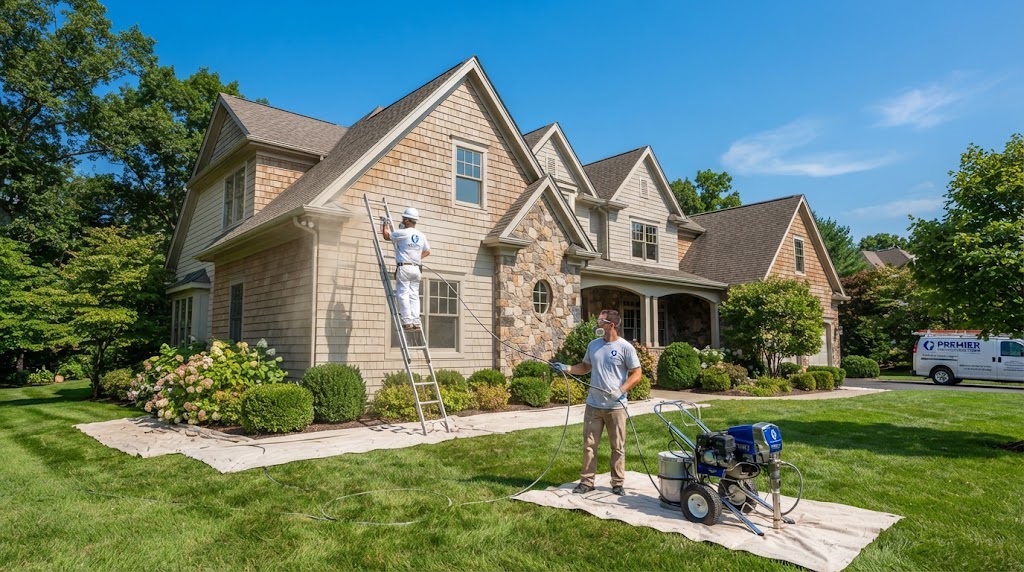
Rolling and brushing an entire multi-story estate by hand is physically impossible within a reasonable timeframe. When professionals paint your large property, they rely on commercial airless paint sprayers. Airless sprayers atomize high-pressure paint into a fine, uniform mist, allowing a crew to coat thousands of square feet of siding in a matter of
hours. However, spraying requires immense skill; workers must instantly follow the spray gun with back-rolling using long-handled rollers to press the wet paint deep into the substrate pores, ensuring maximum mechanical adhesion and a flawless, even finish.
Hiring Professionals vs. Managing a DIY Project
A frequent dilemma for ambitious property owners is deciding whether to tackle a massive exterior painting project themselves or hire a licensed commercial contractor.
The Overwhelming Reality of DIY Scale
While painting a single-room bedroom over a weekend is an approachable DIY task, attempting to paint your large property without professional assistance is an extraordinarily daunting physical ordeal. Renting commercial scaffolding, hauling heavy equipment, working at dangerous heights on extension ladders for weeks, and battling summer heatwaves
can easily result in severe physical exhaustion or injury. Furthermore, mistakes made during large-scale prep work or application will become glaringly obvious across a massive facade, often forcing you to hire professionals anyway to fix and repaint botched sections.
Why Professional Contractors Save You Money Long-Term
Licensed painting contractors bring specialized expertise, commercial-grade equipment, large labor crews, and comprehensive liability insurance to your job site. A professional crew can complete a massive estate painting project in one to two weeks, whereas a
solo homeowner might struggle through weekends for months. Furthermore, reputable contractors stand behind their craftsmanship with multi-year warranties, giving you absolute peace of mind that your investment is protected against peeling, blistering, and premature failure.
Frequently Asked Questions
How often should you paint your large property?
Most high-quality exterior paint jobs last between 7 and 10 years, depending on your local climate, sun exposure, and the quality of the initial preparation. Homes in harsh coastal environments or extreme desert heat may require repainting every 5 to 7 years.
What is the best time of year for exterior painting?
The ideal painting season is during late spring, summer, or early fall when temperatures remain consistently between 50 and 85 degrees Fahrenheit with low humidity. Extreme cold prevents paint from curing properly, while blistering summer heat causes the paint to dry too fast, leading to brush marks and poor adhesion.
How much does it cost to paint a large estate or property?
Pricing varies widely based on total square footage, height, architectural complexity, and the condition of the existing surfaces. While small homes may cost a few thousand dollars, large properties and sprawling estates often range from $8,000 to $25,000+ for comprehensive professional preparation and painting.
Do I need to caulk all exterior gaps before painting?
Yes. Professional caulking is a critical step to seal gaps around window frames, door trim, siding joints, and fascia boards. High-grade exterior polyurethane or siliconized acrylic latex caulk prevents water and insects from infiltrating your home’s framing.
Can exterior paint be applied over lead-based paint?
If your property was constructed before 1978, it likely contains lead-based paint. Disturbing lead paint improperly poses serious health hazards. Federal regulations require certified renovators to use specific containment, scraping, and disposal protocols to protect residents and the environment.
How do I choose the best color scheme for a large property?
Large properties dominate their surrounding landscape, making color selection crucial. Stick to timeless, neutral earth tones (such as warm grays, soft taupes, classic off-whites, or muted forest greens) that complement your roof shingles, stone accents, and natural landscaping rather than trendy neon or overly bright colors.
What should I look for when hiring a commercial painting contractor?
Always verify that the contractor holds an active state license, carries full general liability and workers’ compensation insurance, provides a written warranty on labor and materials, and can supply references from recent large-scale clients in your local area.
Conclusion
Transforming the exterior appearance of a sprawling estate or large commercial building is a monumental undertaking that demands rigorous planning, meticulous surface preparation, and expert execution. When you prepare to paint your large property, cutting corners on cleaning, scraping, priming, or material selection will inevitably result in premature paint failure and costly structural damage. By investing in premium 100% acrylic or elastomeric coatings, utilizing
professional airless spraying equipment, and partnering with experienced, licensed painting contractors, you protect your valuable real estate investment against the harsh elements. Take the time to properly audit your building’s exterior, choose a timeless and elegant color palette, and execute a comprehensive maintenance plan. With professional care and high-grade materials, your property will radiate stunning curb appeal, structural resilience, and architectural elegance for years to come.
your large propertyyour large propertyyour large propertyyour large property

Written by Twastia Editorial Team
Twastia Editorial Team shares practical insights about website design, SEO services, Google Ads, content marketing, social media, conversion rate optimization, and digital marketing strategy.
Last updated: Oct 23, 2026
Related posts from Twastia
Explore more useful articles from twastia.com about digital marketing, SEO, websites, ads, content, and growth strategy.