Outdoor Futon Covers: A Complete Buying and Care Guide
A comfortable outdoor futon can turn an ordinary porch, patio, or covered deck into a relaxing space for reading, entertaining, […]
A comfortable outdoor futon can turn an ordinary porch, patio, or covered deck into a relaxing space for reading, entertaining, or enjoying fresh air. However, constant exposure to sunlight, moisture, dust, and everyday spills can quickly affect the appearance and condition of outdoor furniture.
That’s where outdoor futon covers make a difference. These specially designed covers help protect futon mattresses from everyday outdoor conditions while giving furniture a fresh, attractive appearance.
Unlike ordinary indoor slipcovers, outdoor options often feature performance fabrics engineered to resist fading, moisture, and staining. Many are also removable for easier cleaning, making them practical for busy households.
Whether you’re refreshing an existing futon or furnishing a new outdoor living area, choosing the right cover can improve comfort, simplify maintenance, and help preserve your furniture investment.
What Are Outdoor Futon Covers?
Outdoor futon covers are protective fabric casings designed to fit around futon mattresses used in patios, porches, sunrooms, and other outdoor living environments.
They serve two purposes: helping protect the mattress surface and improving the appearance of the furniture.
A conventional indoor futon cover may use cotton, linen, or another decorative textile. Outdoor versions commonly use performance fabrics developed to tolerate greater exposure to sunlight, humidity, and spills.
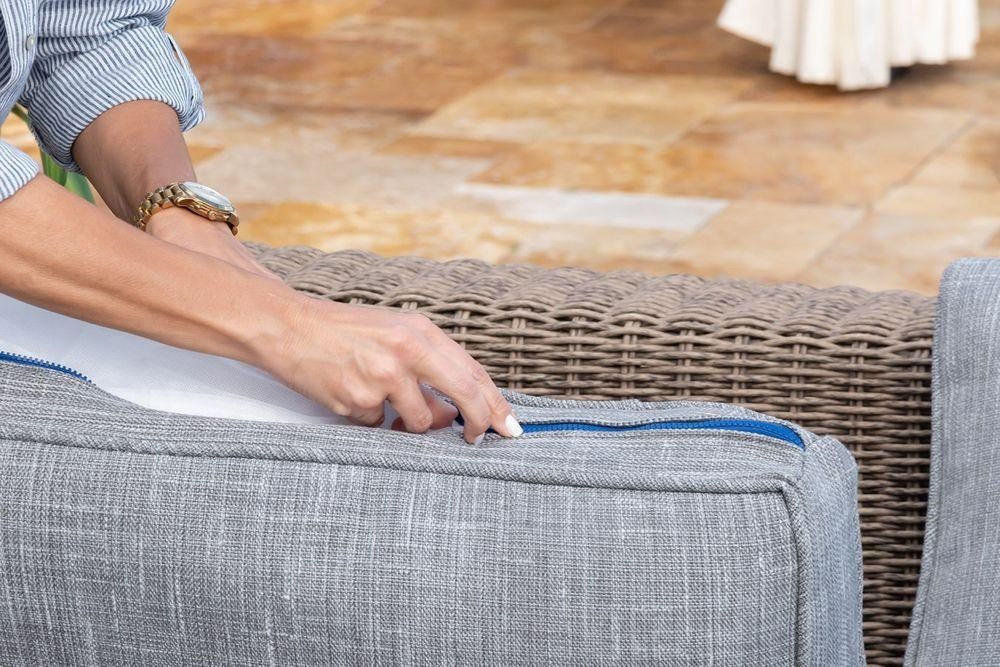
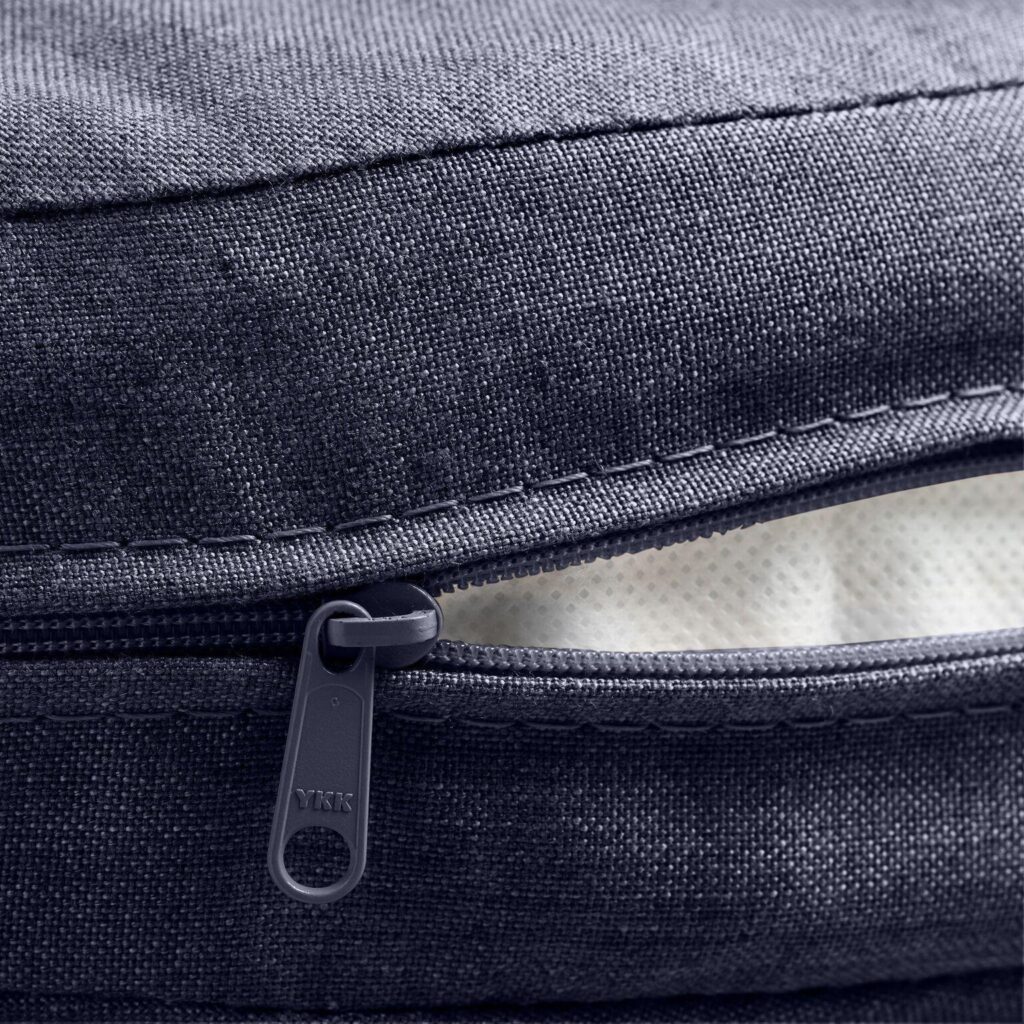
Some covers include concealed zippers, reinforced seams, and removable constructions for convenient laundering.
However, an important distinction exists between water-resistant fabric and a fully waterproof mattress enclosure.
Water-resistant covers help repel light moisture, but they do not necessarily prevent water from penetrating seams or reaching the mattress during prolonged rain.
For exposed outdoor locations, additional waterproof mattress protection may be necessary.
Why Outdoor Futon Covers Are Worth Buying
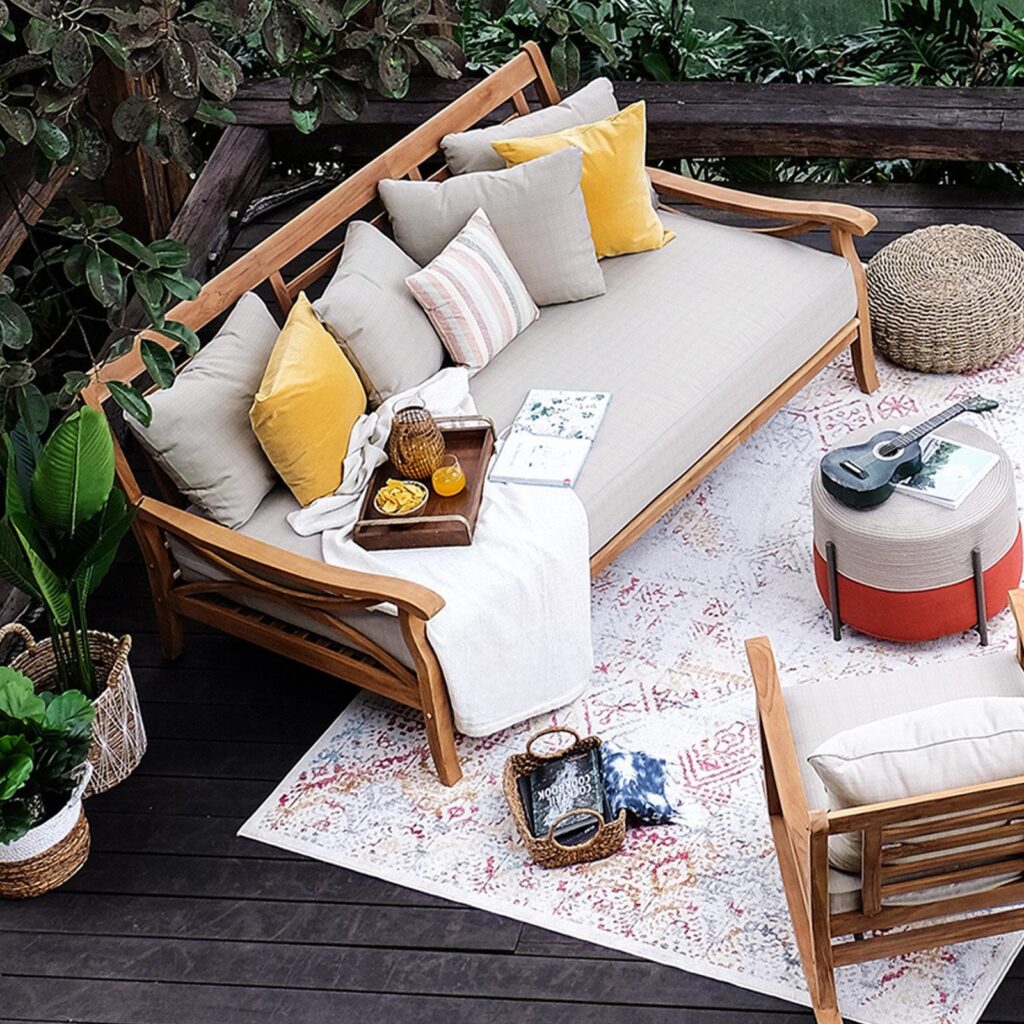
Investing in a quality outdoor cover offers several practical benefits beyond simple decoration.
Protection Against Sun Exposure
Sunlight can gradually fade certain fabrics, especially when furniture sits near large windows or on uncovered patios.
UV-resistant outdoor materials are designed to maintain their appearance better under prolonged sunlight exposure.
This feature is especially valuable in sunny regions such as Arizona, California, Florida, and Texas.
Although no textile remains completely unaffected by outdoor conditions forever, choosing a fabric with documented UV performance can reduce premature fading.
Resistance to Moisture and Everyday Spills
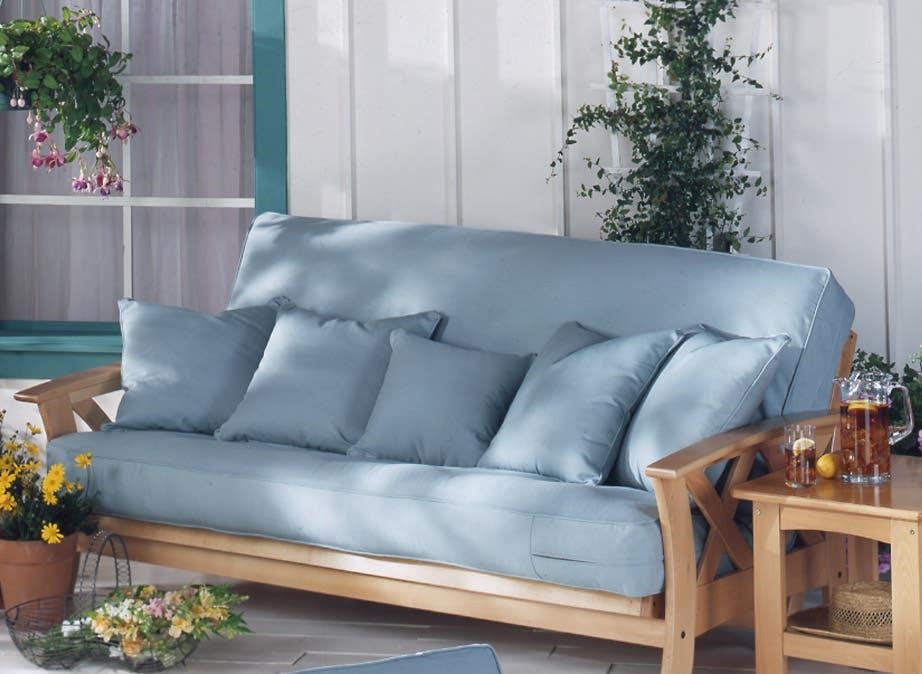
Outdoor seating encounters unexpected spills, damp clothing, humidity, and occasional rain.
Performance upholstery fabrics often feature water-repellent characteristics that allow minor spills to be cleaned before they soak deeply into the fibers.
Nevertheless, standing water and saturated cushions should be addressed promptly to prevent moisture-related problems.
Easier Cleaning and Maintenance
Outdoor furniture collects pollen, dust, pet hair, and food crumbs.
A removable futon cover makes routine maintenance considerably more convenient than cleaning an entire mattress.
Many performance fabrics also tolerate gentle machine washing, although the manufacturer’s specific care instructions should always take priority.
Affordable Style Updates
Replacing an entire futon mattress or furniture frame is not always necessary when the upholstery looks worn or outdated.
A new slipcover can introduce a different color, texture, or design without requiring a complete furniture replacement.
This makes seasonal decorating and patio renovations more flexible.
Best Materials for Outdoor Futon Covers
The performance of an outdoor futon cover largely depends on its fabric composition and construction.
Solution-Dyed Acrylic
Solution-dyed acrylic is a popular choice for premium outdoor upholstery.
During manufacturing, color is incorporated into the fibers rather than applied only to the fabric surface. This helps improve resistance to color fading.
The material is commonly associated with UV resistance, breathability, and easy cleaning.
For example, The Futon Shop offers outdoor futon covers using Outdura performance fabric made from solution-dyed acrylic.
This type of material is particularly suitable for homeowners seeking attractive upholstery that can handle routine outdoor exposure.
Outdoor Polyester
Outdoor-grade polyester can provide a practical combination of durability, available patterns, and reasonable maintenance requirements.
Performance depends significantly on the fabric’s coating, dyeing method, and manufacturing specifications.
Some polyester covers resist moisture and fading better than others, so compare published fabric characteristics rather than relying on the material name alone.
Olefin Fabric
Olefin, also known as polypropylene, is another synthetic textile used in outdoor furniture upholstery.
It can provide good moisture resistance and lightweight comfort when manufactured for outdoor applications.
Olefin fabrics are available in multiple textures and colors, although abrasion and UV performance vary by product.
Coated Waterproof Fabrics
Certain outdoor covers use coated textiles or waterproof membranes to reduce water penetration.
These materials can be useful when moisture protection is the main priority.
However, less breathable constructions may trap condensation if ventilation and drying conditions are poor.
For everyday seating comfort, consider how the cover balances waterproofing, airflow, texture, and ease of removal.
How to Choose the Right Outdoor Futon Covers
Selecting a cover involves more than choosing an attractive color.
The ideal option should fit properly, perform reliably, and complement your outdoor furniture.
Measure Your Futon Mattress
Begin by measuring the mattress width, length, and thickness.
Measure the mattress itself rather than relying solely on the dimensions of the furniture frame.
Common futon configurations include twin, full, queen, and various loveseat sizes, but actual dimensions can differ among manufacturers.
A cover that’s too small may strain the seams or zipper. One that’s too large can create wrinkles and shift during use.
Consider Your Outdoor Environment
A futon placed inside a screened porch faces different conditions from furniture on an open rooftop deck.
Covered porches generally receive less direct rainfall, while exposed patios may experience heavy sun, wind-driven moisture, and temperature changes.
Select weather-resistant materials based on the actual conditions the furniture will encounter.
For completely exposed locations, prioritize a protected mattress core and plan for storage or additional covering during severe weather.
Choose Functional Closures
A well-designed zipper makes removing a futon cover easier.
Look for smooth operation, properly finished seams, and sufficient opening length to insert the mattress without excessive force.
Concealed closures can also improve appearance by keeping hardware out of sight.
Compare Trusted Outdoor Fabric Options
When shopping for outdoor futon covers, homeowners can explore The Futon Shop’s collection of performance-fabric covers in colors such as Neptune Blue, Aquamarine, Terracotta, Taupe, and other neutral or vibrant shades.
The collection emphasizes Outdura solution-dyed acrylic fabrics, water and stain resistance, and removable, washable construction.
Check individual product details for available sizes, fabric specifications, and care requirements before purchasing.
Outdoor Futon Cover Design Ideas for Patios and Porches
A carefully selected cover can make an outdoor futon the centerpiece of a comfortable seating arrangement.
Coastal-Inspired Blue and White
Blue outdoor futon covers pair naturally with white cushions, light wood, and woven rugs.
This combination creates a calm coastal appearance suitable for poolside patios and beach-inspired homes.
Consider navy blue for a classic finish or aquamarine for a lighter, more playful atmosphere.
Modern Neutral Outdoor Spaces
Gray, taupe, beige, and ivory are versatile choices for contemporary outdoor furniture.
These colors work well with metal frames, concrete flooring, and minimalist accessories.
Neutral upholstery also makes it easier to change decorative pillows throughout the year.
Earth-Tone Garden Retreats
Terracotta, olive, and other warm earth tones complement wooden decks, planters, and natural landscaping.
Pairing these colors with woven baskets and botanical cushions creates a welcoming, relaxed atmosphere.
Earth-tone covers are especially effective in garden patios surrounded by greenery.
Bold Color Accents
A vibrant green, burgundy, or royal blue cover can introduce personality into an otherwise simple outdoor space.
Keep surrounding accessories relatively understated to avoid overwhelming the design.
Repeating the main upholstery color in two or three decorative elements helps create visual balance.
Water-Resistant vs. Waterproof Outdoor Futon Covers
These terms are often confused, but they describe different levels of moisture protection.
| Feature | Water-Resistant Cover | Waterproof Cover |
|---|---|---|
| Light spills | Helps repel moisture | Designed to block penetration |
| Prolonged rain | Protection may be limited | Depends on seams and construction |
| Breathability | Often relatively breathable | Varies by membrane or coating |
| Primary purpose | Everyday outdoor upholstery | Stronger moisture protection |
A waterproof fabric alone does not guarantee that an entire cover is waterproof. Zippers, seams, openings, and construction details also matter.
For a futon used outdoors, combining attractive water-resistant upholstery with an appropriate waterproof mattress protector can provide more comprehensive protection.
This is particularly important when the mattress contains materials that could retain moisture.
How to Clean Outdoor Futon Covers
Routine cleaning helps preserve the fabric’s appearance and reduces the accumulation of dirt that can encourage mildew growth.
Step 1: Remove Loose Dirt
Brush away dust, pollen, leaves, and pet hair with a soft brush or vacuum upholstery attachment.
Regular cleaning prevents debris from becoming embedded in the fabric.
Step 2: Treat Small Spills Promptly
Blot liquid spills with a clean, absorbent cloth.
Avoid aggressive scrubbing, which may spread the stain or damage the surface texture.
For washable performance fabrics, mild soap and water may be suitable, subject to the manufacturer’s recommendations.
Step 3: Wash According to the Care Label
If the cover is machine washable, remove it carefully and close the zipper before washing.
Use the approved water temperature, detergent, and washing cycle.
Do not assume bleach is safe for every outdoor fabric simply because some solution-dyed acrylic products permit bleach cleaning.
Step 4: Dry Thoroughly
Allow the cover to dry completely using the method recommended by the manufacturer.
Make sure the futon mattress is also dry before reinstalling the cover.
Trapped moisture can create odors and encourage unwanted microbial growth.
Step 5: Store During Extended Nonuse
When furniture will remain unused for long periods, clean and dry the cover before storage.
A dry, ventilated storage space helps reduce exposure to dust, extreme weather, and persistent moisture.
Common Mistakes to Avoid When Buying Outdoor Futon Covers
One common mistake is selecting an indoor decorative cover simply because its pattern looks suitable for a patio.
Without outdoor performance characteristics, the material may fade or deteriorate more quickly.
Another mistake is assuming that water-resistant upholstery makes the underlying futon mattress suitable for constant rain exposure.
Poor sizing is equally problematic. Incorrect measurements can result in a cover that fits badly or becomes difficult to remove.
Buyers should also avoid overlooking maintenance instructions. Some performance fabrics permit washing methods that would damage other textiles.
Finally, consider the furniture frame. A durable outdoor cover cannot protect a frame that was never intended for outdoor exposure.
Frequently Asked Questions About Outdoor Futon Covers
1. Can outdoor futon covers stay outside all year?
Some outdoor fabrics are designed for extended exposure to sunlight and humidity, but year-round suitability depends on the climate, mattress protection, and furniture construction. Storing cushions during harsh weather generally reduces unnecessary wear.
2. Are outdoor futon covers completely waterproof?
Not necessarily. Many are water-resistant rather than waterproof. For stronger protection against rain, consider an appropriate waterproof mattress enclosure beneath the decorative cover.
3. Can I wash outdoor futon covers in a washing machine?
Many removable performance-fabric covers are machine washable. However, washing instructions vary according to fabric composition, construction, and manufacturer recommendations.
4. How do I choose the correct futon cover size?
Measure the mattress length, width, and thickness, then compare those measurements with the manufacturer’s sizing information. Account for any unusual mattress shape or thickness.
5. What fabric is best for sunny outdoor patios?
Solution-dyed acrylic is a strong option because it is widely used in fade-resistant outdoor upholstery. Compare UV-performance specifications and the amount of direct sunlight the furniture receives.
6. Do outdoor futon covers resist mold and mildew?
Many outdoor fabrics are designed to resist mildew, but dirt and moisture can still support growth on the fabric surface. Regular cleaning and thorough drying remain important.
7. Can I use an outdoor futon cover indoors?
Yes. Outdoor performance fabrics can also be practical in family rooms, sunrooms, and other indoor spaces where easy cleaning and resistance to spills are desirable.
8. Are custom outdoor futon covers worth buying?
Custom sizing can be useful for unusual mattresses, older futon frames, or specific design preferences. Accurate measurements and clear fabric specifications are essential before placing a custom order.
Conclusion
Outdoor futon covers offer a practical way to protect your futon mattress while improving the beauty and comfort of your patio, porch, or sunroom.
From fade-resistant solution-dyed acrylic to washable performance fabrics, today’s options combine attractive design with features suited to everyday outdoor living.
The right choice depends on proper sizing, weather exposure, fabric quality, and the level of moisture protection your furniture requires.
By investing in a well-fitting cover, following recommended cleaning instructions, and protecting the mattress during severe weather, you can create an inviting outdoor seating area that remains comfortable and attractive through many seasons.

Written by Twastia Editorial Team
Twastia Editorial Team shares practical insights about website design, SEO services, Google Ads, content marketing, social media, conversion rate optimization, and digital marketing strategy.
Last updated: Oct 17, 2026
Related posts from Twastia
Explore more useful articles from twastia.com about digital marketing, SEO, websites, ads, content, and growth strategy.