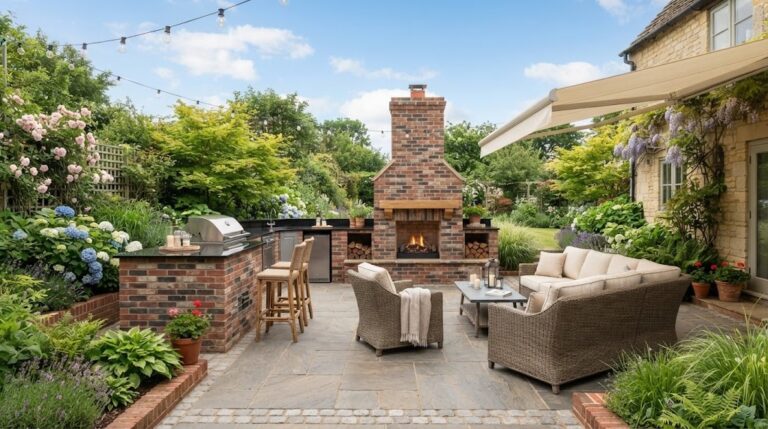
Retaining Wall Pavers: Design, Installation & Cost Guide
A sloped backyard can be challenging to maintain, especially when rainwater washes away soil, planting areas become uneven, or outdoor […]
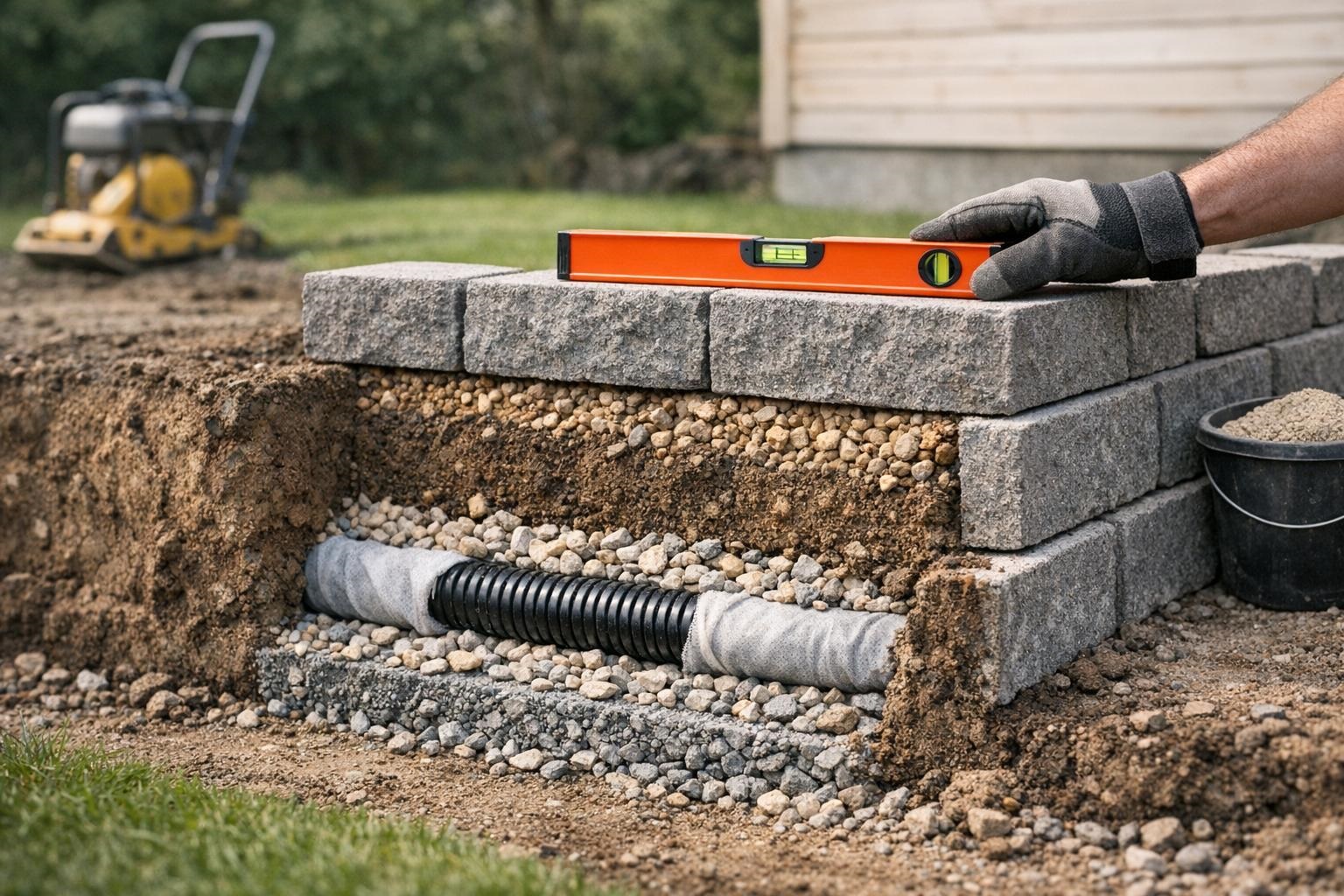
A sloped backyard can be challenging to maintain, especially when rainwater washes away soil, planting areas become uneven, or outdoor living space feels limited. Fortunately, retaining wall pavers offer a practical and attractive way to transform difficult landscapes into functional outdoor spaces.
These durable landscape materials help hold soil in place, manage elevation changes, and create defined areas for gardens, patios, walkways, and seating. With different colors, textures, and configurations available, they can complement both traditional and modern homes.
Whether you’re planning a small garden border or a substantial backyard improvement, understanding the right materials, installation methods, and design considerations will help you make an informed investment.
What Are Retaining Wall Pavers?
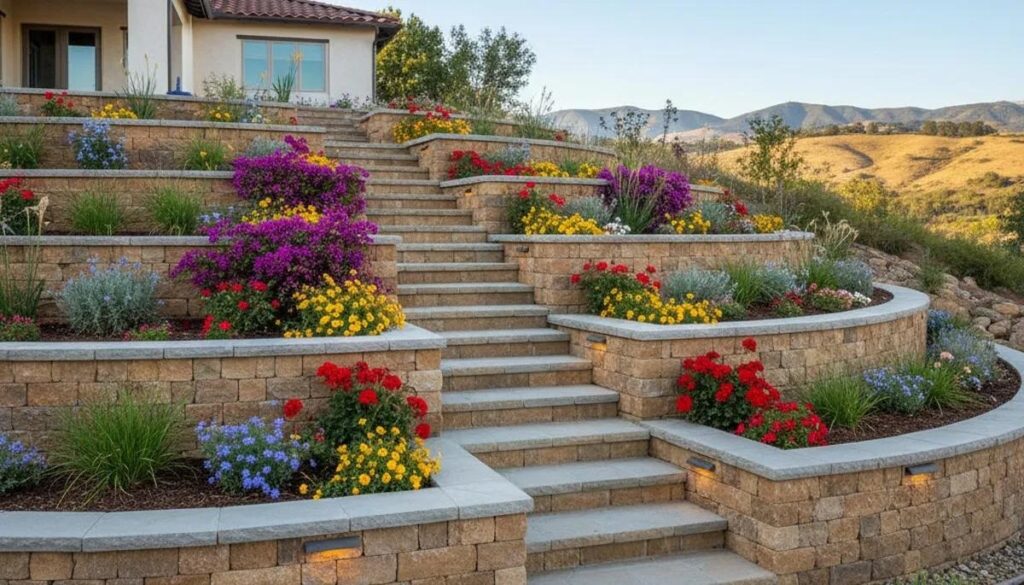
Retaining wall pavers are manufactured concrete units designed to create walls that hold back soil and support changes in ground elevation. Unlike ordinary patio pavers, which are primarily intended for horizontal surfaces, retaining wall blocks are designed for vertical applications.
Many modern systems use interlocking connections, precisely shaped units, or specially designed setbacks to create stable structures. These systems are commonly called segmental retaining walls.
The blocks can be arranged in straight lines, gentle curves, stepped formations, or multiple terraces depending on the landscaping requirements.
Homeowners often choose concrete retaining wall blocks because they provide consistent dimensions, attractive finishes, and multiple architectural styles.
However, the wall’s stability depends on more than the blocks themselves. Proper foundation preparation, drainage, soil conditions, and engineering are equally important.
Benefits of Using Retaining Wall Pavers
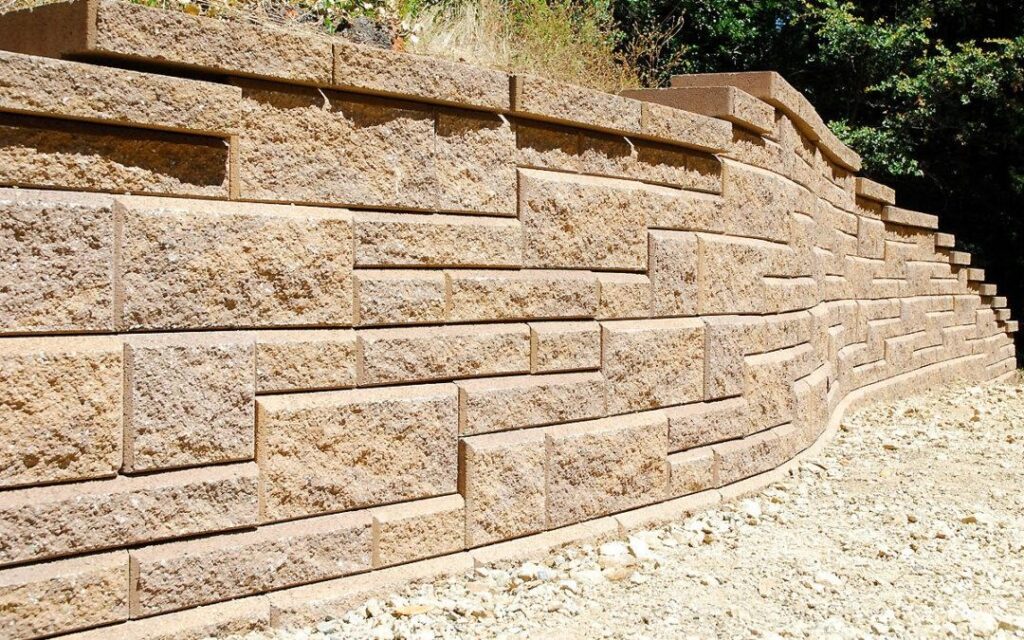
Prevent Soil Erosion
One of the main purposes of retaining walls is to hold soil in place on sloped properties.
Heavy rainfall and uncontrolled runoff can gradually carry soil downhill, damaging garden beds and exposing plant roots.
A properly designed retaining wall helps stabilize the landscape while directing excess water through appropriate drainage systems.
Create More Usable Outdoor Space
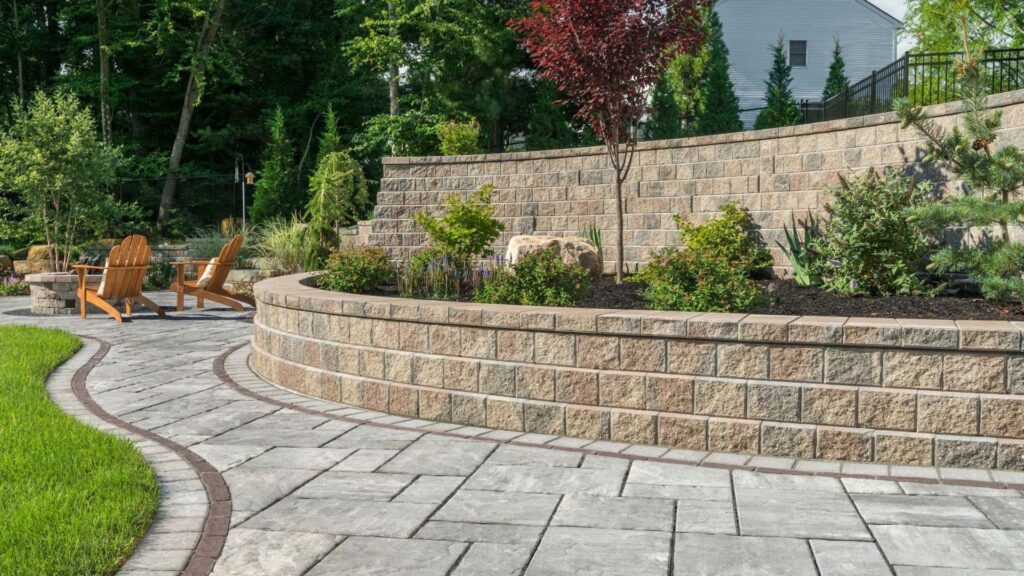
A steep backyard may provide limited room for outdoor furniture, entertaining, or gardening.
Retaining wall landscaping allows homeowners to create flatter sections that can accommodate patios, lawns, and raised planting beds.
Terraced landscapes are particularly useful when a single large level area would require extensive excavation.
Improve Curb Appeal
Retaining walls introduce structure, depth, and definition to an outdoor environment.
Natural-stone-inspired textures work well with rustic landscaping, while smooth concrete blocks complement contemporary architecture.
Matching the wall’s color with nearby paving stones, walkways, or steps helps create a coordinated appearance.
Provide Flexible Design Options
Modular wall systems support many residential applications, from decorative garden borders to more demanding structural projects.
Homeowners can create curved walls, stepped garden terraces, or straight retaining walls that define separate outdoor living zones.
The appropriate configuration depends on the selected product and site-specific engineering requirements.
Popular Types of Retaining Wall Pavers
Choosing the right wall system involves balancing appearance, structural performance, and installation complexity.
Interlocking Concrete Wall Blocks
Interlocking retaining wall blocks are manufactured with connection features that help align neighboring courses.
Some systems use lips, pins, keys, or grooves to control how blocks fit together.
These units are popular for residential landscaping because their standardized dimensions support consistent installation.
Natural-Stone-Look Retaining Blocks
Concrete wall blocks can be manufactured with textured surfaces resembling limestone, fieldstone, or split natural rock.
They provide an organic appearance without requiring every individual stone to be shaped and fitted on-site.
These finishes suit garden terraces, wooded backyards, and traditional residential architecture.
Large-Format Retaining Wall Systems
Larger retaining wall units are often selected for substantial elevation changes and expansive landscapes.
Their weight and dimensions can offer structural advantages when incorporated into an appropriate design.
However, large-format blocks may require specialized lifting equipment, professional installation, and engineered foundations.
Reinforced Segmental Retaining Walls
Some retaining walls require additional soil reinforcement, commonly involving geogrid layers installed behind the wall.
These systems combine the facing blocks with engineered reinforced soil to help resist earth pressure.
They are particularly relevant for taller walls, challenging slopes, and sites supporting additional loads.
How to Choose the Best Retaining Wall Pavers
The ideal material should perform well under your property’s conditions while complementing the overall landscape design.
Evaluate Your Landscape
Begin by identifying the purpose of the wall.
Are you creating a raised flower bed, supporting a steep slope, or expanding a patio?
Wall height, soil characteristics, groundwater, nearby buildings, and surrounding slopes all influence the design.
A decorative garden wall has different requirements from a wall supporting a driveway or elevated structure.
Compare Colors and Textures
Wall blocks are available in numerous colors, including gray, charcoal, beige, and blended earth tones.
Lighter shades can brighten shaded spaces, while darker finishes create contrast against green lawns and colorful planting beds.
Consider bringing home material samples and viewing them in natural daylight before making a final decision.
Review Manufacturer Specifications
Not every decorative landscape block is suitable for a load-bearing retaining wall.
Check the manufacturer’s technical information for intended applications, block dimensions, connection systems, reinforcement compatibility, and installation requirements.
For example, homeowners researching retaining wall pavers can explore Nicolock’s wall systems, including Alta Wall, Alta Pro Wall, FIRMA Wall, and other options designed for different landscape applications.
Comparing these systems helps narrow down suitable materials before consulting a qualified installer.
Retaining Wall Pavers Design Ideas for Your Backyard
Retaining walls are not limited to supporting soil. They can become defining architectural elements within a landscape.
Terraced Flower Gardens
Multiple landscaped terraces help organize sloped yards into separate planting areas.
Each level can accommodate flowers, ornamental grasses, shrubs, or other vegetation suited to local growing conditions.
A carefully planned terrace layout also makes planting beds more accessible for routine maintenance.
Raised Patios and Entertainment Areas
A professionally engineered retaining wall can help support an elevated patio, creating a more usable space for outdoor dining or relaxation.
Coordinating wall blocks with patio pavers creates a polished transition between vertical and horizontal surfaces.
Any nearby furniture, structures, or other loads must be accounted for in the retaining wall design.
Curved Garden Walls
Curved retaining walls can soften rectangular landscapes and follow natural planting beds.
They look particularly attractive around circular garden features or gently winding pathways.
Choose a wall system designed to accommodate the intended curve radius.
Multi-Level Outdoor Landscapes
Combining walls, steps, and planting zones can visually connect different backyard elevations.
For example, an upper lawn might transition into a middle garden terrace and a lower seating area.
Careful planning is essential because nearby walls can influence each other’s structural loads and drainage.
How to Install Retaining Wall Pavers
Installing a retaining wall requires careful planning and appropriate construction methods. The following overview applies to conventional segmental wall systems, but it does not replace product-specific instructions or engineered construction plans.
Step 1: Plan and Mark the Layout
Determine the desired wall location, length, height, and shape.
Identify nearby structures, property boundaries, and drainage paths.
Contact 811 before digging in the United States, follow applicable utility-marking procedures, and verify local permit requirements.
Step 2: Excavate and Prepare the Foundation
Excavate a trench deep enough to accommodate the required leveling pad and buried block course.
Remove unsuitable material and prepare the foundation soil according to the installation specifications.
A poorly prepared foundation can cause uneven settlement and movement over time.
Step 3: Install a Compacted Aggregate Base
Place the specified aggregate material into the trench and compact it to create a stable, level foundation.
Base thickness and width depend on the wall design and manufacturer’s instructions.
Check the surface carefully before placing the first row of blocks.
Step 4: Lay the First Course
Position the retaining wall blocks on the prepared base.
Check alignment and level from front to back and side to side.
The first course establishes the position of the remaining wall, so accurate placement is essential.
Step 5: Provide Proper Drainage
Install the required drainage aggregate, filtering materials, and perforated drainpipe according to the approved design.
Water trapped behind a wall can increase pressure and contribute to structural problems.
Drainage must also have an appropriate discharge route rather than simply collecting water underground.
Step 6: Stack, Reinforce, and Backfill
Continue installing each course using the specified interlocking arrangement and joint pattern.
Place and compact backfill in suitable lifts while keeping the blocks properly aligned.
Where reinforcement is necessary, install geogrid according to the engineered plans and manufacturer’s instructions.
Finish with compatible wall caps and appropriate grading around the completed structure.
Important: Tall walls, weak soils, tiered walls, and walls supporting additional loads require professional evaluation. Even shorter walls may need engineered designs depending on site conditions and local regulations.
How Much Do Retaining Wall Pavers Cost?
Retaining wall costs vary considerably, making a single national installation price unreliable for every project.
Several factors influence the final investment.
Material selection: Premium textures, special colors, capstones, and large-format blocks may cost more than basic concrete units.
Wall dimensions: Greater wall height and length typically increase material quantities, excavation, and labor requirements.
Site accessibility: Restricted access, steep slopes, and difficult terrain may require additional equipment or manual handling.
Drainage and reinforcement: Engineered drainage systems, geogrid, and challenging soil conditions can increase construction complexity.
Labor and permits: Contractor rates, engineering services, inspections, and permit fees vary by location.
When comparing estimates, ask whether the quote includes excavation, foundation preparation, drainage, reinforcement, waste removal, caps, and final grading.
Comparing complete project scopes is more useful than choosing a contractor based only on block prices.
Common Retaining Wall Installation Mistakes
Even attractive wall materials can perform poorly when installation details are overlooked.
Ignoring Drainage
Water buildup behind retaining walls is a significant concern. Adequate drainage and control of surface runoff should be addressed during the design stage.
Choosing the Wrong Blocks
Garden edging products and structural retaining wall units are not interchangeable. Always confirm that the selected system is appropriate for the intended load and height.
Neglecting Soil Conditions
Soft foundation soils, unstable slopes, and poorly compacted backfill can compromise wall performance. Professional soil evaluation may be necessary.
Building Without Proper Planning
Constructing near driveways, foundations, property boundaries, or steep slopes without appropriate engineering can create safety and compliance problems.
Retaining Wall Maintenance Tips
Well-constructed retaining walls generally require modest routine care, but inspections are important.
Check the wall periodically for bulging, tilting, unusual settlement, or separating blocks.
Remove leaves and debris that obstruct drainage outlets, and make sure nearby gutters discharge water away from the structure.
Control vegetation with aggressive root systems near the wall. Clean visible surfaces using methods approved by the manufacturer.
After major storms or freeze-thaw periods, inspect the surrounding landscape for erosion or changes in drainage.
If you notice significant movement, cracking, or persistent water accumulation, consult a qualified professional before attempting repairs.
Frequently Asked Questions About Retaining Wall Pavers
1. Are retaining wall pavers better than natural stone?
Manufactured concrete blocks offer consistent dimensions and convenient modular installation. Natural stone provides unique textures and variation. The better choice depends on the desired appearance, structural requirements, budget, and available installation expertise.
2. How long do retaining wall pavers last?
A properly designed and maintained concrete retaining wall can provide decades of service. Actual longevity depends on drainage, soil conditions, construction quality, environmental exposure, and maintenance.
3. Can I install retaining wall pavers myself?
Some small, low, noncritical garden walls may be suitable for experienced DIY homeowners. Structural walls, difficult soil conditions, and projects involving significant elevation changes should be evaluated by qualified professionals.
4. Do retaining walls need drainage?
Yes. Appropriate drainage is essential for controlling water pressure and protecting the structure. The required details depend on groundwater, surface runoff, soil characteristics, and wall design.
5. Can retaining wall pavers be installed on a slope?
Yes. Segmental retaining walls are commonly used on sloped properties. However, the foundation, grading, reinforcement, and overall stability must be designed for the specific landscape.
6. What is the difference between retaining wall blocks and patio pavers?
Retaining wall blocks are intended for vertical wall construction and earth retention. Patio pavers are generally designed for horizontal paved surfaces such as walkways and patios.
7. Can retaining walls be curved?
Many modular retaining wall systems accommodate curves. The minimum practical radius depends on block geometry, wall height, and manufacturer specifications.
8. Do retaining walls require building permits?
Permit requirements vary among U.S. jurisdictions and may depend on height, location, loads, and structural conditions. Contact your local building department before construction.
Conclusion
Retaining wall pavers provide an effective combination of landscape functionality and architectural appeal. They can help control erosion, create usable outdoor spaces, and introduce beautiful design features into challenging yards.
From curved garden borders to professionally engineered terraces, today’s concrete retaining wall systems offer numerous possibilities for residential landscaping.
The key to a successful project is selecting appropriate materials, planning drainage carefully, and following sound construction practices.
With thoughtful design, qualified installation when required, and regular maintenance, a retaining wall can become a durable and attractive part of your outdoor environment for years to come.

Written by Twastia Editorial Team
Twastia Editorial Team shares practical insights about website design, SEO services, Google Ads, content marketing, social media, conversion rate optimization, and digital marketing strategy.
Last updated: Oct 17, 2026
Related posts from Twastia
Explore more useful articles from twastia.com about digital marketing, SEO, websites, ads, content, and growth strategy.