How to Find the Best Skin Specialist Near Me: A Complete Dermatology Guide
Skin problems can range from minor irritation to conditions that require medical diagnosis and long-term treatment. Acne, rashes, eczema, unusual […]
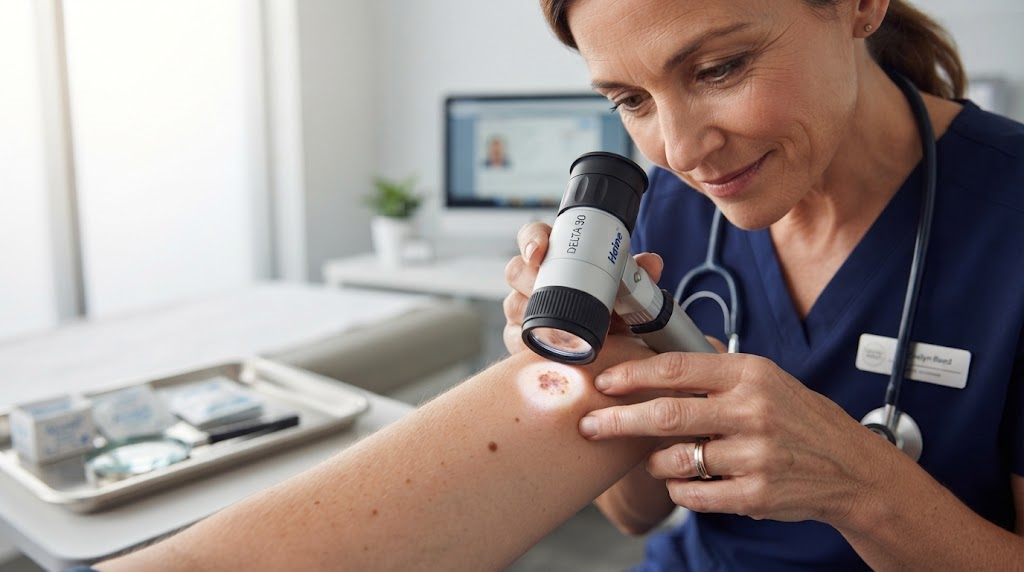
Skin problems can range from minor irritation to conditions that require medical diagnosis and long-term treatment. Acne, rashes, eczema, unusual moles, hair loss, infections, pigmentation changes, and persistent dryness are just a few reasons people visit dermatology clinics every day.
The challenge is knowing when a skin concern can be managed with basic skincare and when it deserves professional attention.
If you are searching for a skin specialist near me, the goal should be more than finding the closest clinic. You should look for a qualified professional who has appropriate experience, communicates clearly, offers relevant services, and provides a treatment plan based on your actual condition.
Choosing the right dermatologist can save time, reduce unnecessary treatments, and help you better understand your skin health.
What Is a Skin Specialist?
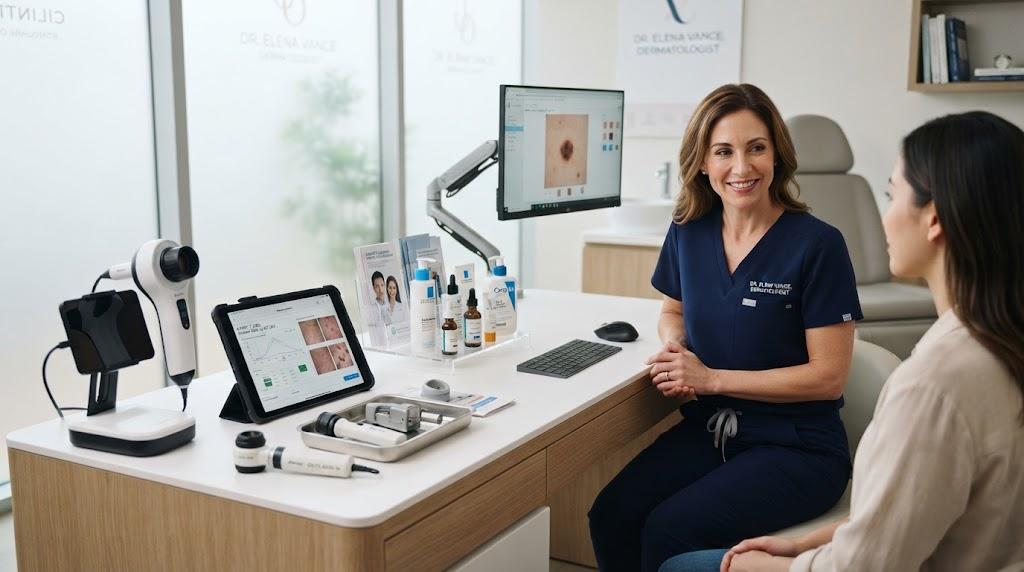
A skin specialist is a healthcare professional who focuses on conditions affecting the skin, hair, and nails.
In the United States, a medical doctor specializing in these areas is generally called a dermatologist.
Dermatologists diagnose and treat hundreds of conditions, ranging from common acne to more serious diseases.
They may also provide cosmetic procedures designed to improve appearance rather than treat disease.
Common areas of dermatology include:
- Medical dermatology
- Surgical dermatology
- Cosmetic dermatology
- Pediatric dermatology
- Dermatopathology
Different clinics may focus more heavily on certain services.
What Does a Dermatologist Treat?
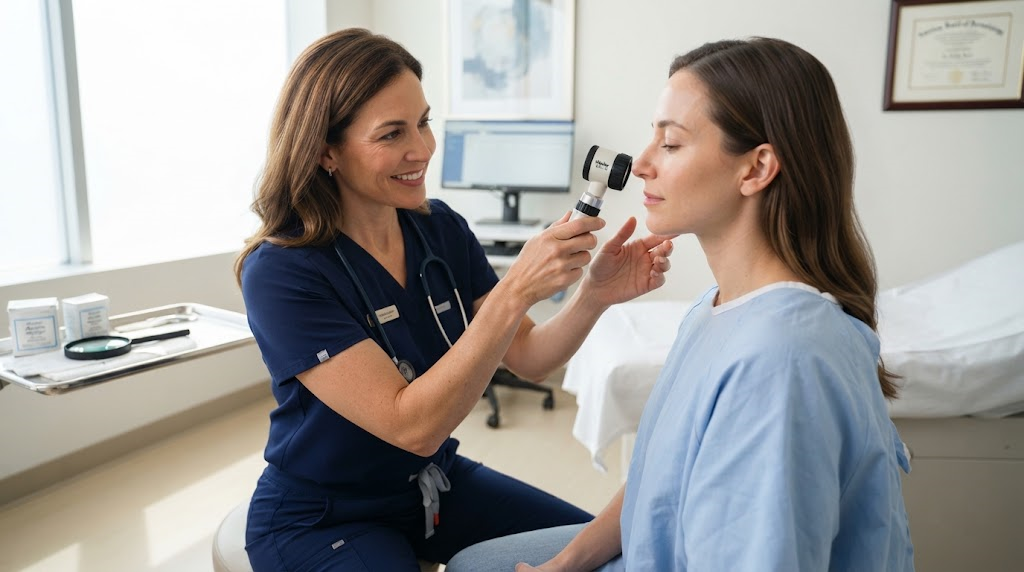
Dermatologists manage a wide variety of conditions.
Some are temporary and mild. Others are chronic or potentially serious.
Acne
Acne is one of the most common reasons people visit a dermatologist.
It can affect teenagers and adults and may appear on the:
- Face
- Chest
- Back
- Shoulders
Mild acne may respond to over-the-counter products, but persistent, painful, or scarring acne often benefits from professional evaluation.
Treatment may involve topical medications, oral medications, or procedures depending on the severity and type of acne.
Eczema

Eczema can cause:
- Dryness
- Itching
- Redness
- Cracking
- Irritation
Several different forms of eczema exist.
A dermatologist can help determine what type you have and whether triggers such as allergens, irritants, weather, or other factors may be contributing.
Psoriasis
Psoriasis is a chronic inflammatory condition that often produces thick or scaly patches of skin.
It can vary significantly in severity.
Treatment options may include topical treatments, light therapy, oral medicines, or injectable medications depending on the patient.
Rosacea
Rosacea commonly affects the face and may cause redness, flushing, visible blood vessels, or acne-like bumps.
Because rosacea can resemble other conditions, a proper diagnosis is useful before beginning treatment.
Skin Infections
Dermatologists treat bacterial, fungal, viral, and parasitic skin infections.
Some can be managed easily, while others may require prescription treatment.
Hair Loss
Hair loss can result from many different causes.
Potential factors include:
- Genetics
- Hormonal changes
- Autoimmune conditions
- Stress
- Nutritional factors
- Medications
- Scalp disorders
A dermatologist may evaluate the scalp, medical history, and pattern of hair loss before recommending treatment.
Nail Problems
Changes in nail color, thickness, texture, or growth can sometimes indicate fungal infections, trauma, inflammatory disease, or other conditions.
Dermatologists frequently evaluate these problems.
When Should You See a Skin Specialist?
Not every minor skin issue requires a dermatologist.
However, certain situations justify professional evaluation.
Consider seeing a dermatologist if:
- A rash does not improve
- Acne is severe or causing scars
- A mole changes in appearance
- A skin lesion bleeds repeatedly
- You have persistent itching
- Hair loss becomes noticeable
- A skin infection appears to be spreading
- A wound is not healing normally
- Pigmentation changes suddenly
- Over-the-counter products are not helping
If symptoms are rapidly worsening, painful, associated with fever, or otherwise concerning, seek appropriate medical care promptly.
Why Searching for a Local Dermatologist Matters
A nearby dermatologist can make treatment more convenient.
Some skin conditions require multiple appointments over time.
For example, acne treatment may involve follow-up visits to evaluate medication response.
Chronic conditions such as psoriasis or eczema may also require ongoing management.
A conveniently located clinic reduces the friction involved in keeping appointments.
However, proximity should not be the only criterion.
Quality of care matters more than saving a few minutes of travel time.
How to Choose the Right Skin Specialist
Choosing a dermatologist is similar to choosing any other healthcare professional.
You should evaluate qualifications, experience, communication, and practical considerations.
Check Professional Credentials
Verify that the provider has appropriate medical training and licensing.
For dermatologists, board certification can indicate that the physician has completed specialized training and passed relevant professional examinations.
You can usually verify physician credentials through professional boards or state medical licensing resources.
Look at Areas of Expertise
Not every dermatologist focuses on the same conditions.
One provider may specialize heavily in medical dermatology.
Another may focus on cosmetic procedures.
Others may have particular experience with:
- Skin cancer
- Acne
- Pediatric conditions
- Hair disorders
- Pigmentation
- Dermatologic surgery
Choose a provider whose expertise matches your concern.
Medical Dermatology vs. Cosmetic Dermatology
Understanding the difference can help you choose the right clinic.
Medical Dermatology
Medical dermatology focuses on diagnosing and treating skin disease.
Examples include:
- Acne
- Eczema
- Psoriasis
- Infections
- Skin cancer
- Autoimmune skin disease
Insurance may cover medically necessary services depending on your policy.
Cosmetic Dermatology
Cosmetic dermatology focuses primarily on appearance.
Services may include:
- Botox
- Dermal fillers
- Laser treatments
- Chemical peels
- Scar treatments
- Pigmentation treatments
- Cosmetic lesion removal
Insurance typically does not cover procedures performed only for cosmetic reasons.
Why Skin Cancer Screening Matters
Skin cancer is one of the most important reasons to pay attention to unusual skin changes.
Dermatologists evaluate suspicious moles or lesions and may perform biopsies when necessary.
You should pay particular attention to spots that:
- Change size
- Change shape
- Change color
- Bleed
- Itch persistently
- Look noticeably different from surrounding moles
One common screening framework for melanoma awareness is the ABCDE rule:
- Asymmetry
- Border irregularity
- Color variation
- Diameter
- Evolving appearance
However, not every concerning lesion follows this exact pattern.
A professional examination is more reliable than self-diagnosis.
What to Expect During a Dermatology Appointment
Your first appointment usually begins with questions about your symptoms.
The dermatologist may ask:
- When did the problem begin?
- Has it changed?
- What products are you using?
- Have you tried treatments already?
- Do you have allergies?
- What medications do you take?
- Is there a family history of skin disease?
The dermatologist will then examine the affected area.
Depending on the issue, additional testing may be recommended.
Common Dermatology Tests and Procedures
Skin Biopsy
A small sample of skin may be removed for laboratory analysis.
Biopsies can help diagnose skin cancers, inflammatory conditions, or unusual lesions.
Patch Testing
Patch testing may help identify substances causing allergic contact dermatitis.
Dermoscopy
A dermatoscope is a specialized magnifying device used to examine skin lesions more closely.
Skin Scraping
Skin samples may be examined when fungal or other infections are suspected.
Blood Testing
Certain conditions may require laboratory testing to investigate underlying causes.
Not every patient needs testing.
The choice depends on symptoms and clinical findings.
How to Prepare for Your Appointment
A little preparation can make the visit more productive.
Make a List of Symptoms
Write down:
- When symptoms started
- What makes them better or worse
- Previous treatments
- Any related health changes
Bring Your Medication List
Include prescription medications, over-the-counter medicines, and supplements.
Bring Photos if the Condition Changes
Some rashes or reactions disappear before an appointment.
Photos taken during a flare-up may help your dermatologist understand what happened.
Avoid Heavy Makeup When Appropriate
If the appointment concerns facial skin, arriving without heavy makeup can make examination easier.
Ask Questions
Good questions may include:
- What is the likely diagnosis?
- What may have caused it?
- What treatment options are available?
- What side effects should I watch for?
- How long may treatment take?
- When should I return?
- What skincare products should I avoid?
How Much Does a Dermatologist Visit Cost?
The cost of dermatology care in the United States varies widely.
Factors include:
- Insurance coverage
- Location
- Provider type
- Procedure performed
- Testing
- Medication
- Whether treatment is medical or cosmetic
If you have insurance, check whether the dermatologist is in-network.
You may also want to ask whether a referral is required.
For uninsured patients, clinics may offer self-pay pricing.
Request cost information before elective procedures whenever possible.
Does Insurance Cover Dermatology?
Insurance commonly covers medically necessary dermatology services when plan requirements are met.
Examples may include treatment for:
- Severe acne
- Eczema
- Psoriasis
- Infections
- Suspicious lesions
- Skin cancer
Cosmetic treatments are usually excluded.
Coverage differs by policy, so verify directly with your insurer.
Do not assume that every procedure performed by a dermatologist is automatically covered.
Teledermatology as an Alternative
Some dermatology practices offer virtual appointments.
Teledermatology can be convenient for certain conditions, especially follow-up care or visible skin concerns that can be evaluated through high-quality images.
However, virtual visits have limitations.
Some conditions require:
- Physical examination
- Dermoscopy
- Biopsy
- Laboratory testing
- In-office treatment
Your provider can determine whether an in-person appointment is necessary.
How to Evaluate Dermatology Reviews
Online reviews can provide useful information, but they should be interpreted carefully.
Instead of focusing only on star ratings, look for consistent patterns.
Useful topics include:
- Communication
- Appointment availability
- Office organization
- Staff professionalism
- Treatment explanations
- Follow-up support
Do not treat online reviews as a substitute for medical credentials.
An excellent marketing reputation does not guarantee clinical expertise.
Red Flags When Choosing a Skin Clinic
Be cautious if a clinic:
- Promises guaranteed cosmetic results
- Pressures you into expensive procedures
- Refuses to explain risks
- Recommends treatments without examination
- Avoids discussing alternatives
- Is unclear about provider qualifications
- Makes exaggerated claims about curing chronic conditions
Healthcare should involve informed decision-making.
You should understand what is being recommended and why.
Questions to Ask a Dermatologist
Useful questions include:
About Diagnosis
What do you think is causing my symptoms?
Could this be another condition?
Do I need testing?
About Treatment
What are my treatment options?
How long should I use the medication?
What side effects are possible?
What happens if this treatment does not work?
About Skincare
Which products should I use?
Which ingredients should I avoid?
Do I need sunscreen every day?
About Follow-Up
When should I return?
What symptoms should prompt an earlier appointment?
Dermatologist vs. Esthetician
These roles are different.
A dermatologist is a medical doctor trained to diagnose and treat diseases of the skin, hair, and nails.
An esthetician focuses primarily on cosmetic skincare services.
Estheticians may offer services such as:
- Facials
- Exfoliation
- Basic skincare treatments
They do not replace dermatologists for medical diagnosis or prescription treatment.
If you have persistent symptoms, unusual lesions, painful skin problems, or suspected disease, see a qualified medical professional.
Common Mistakes People Make With Skin Problems
Self-Diagnosing From Social Media
Skin conditions often look similar.
Photos and videos online can make very different conditions appear identical.
Incorrect self-diagnosis can lead to ineffective or irritating treatment.
Using Too Many Products
More skincare does not always mean better skin.
Using several active ingredients simultaneously can damage the skin barrier and cause irritation.
Ignoring Changing Moles
Any significant change deserves attention.
Do not delay evaluation simply because a spot does not hurt.
Expecting Instant Results
Many dermatology treatments take time.
Acne therapies, pigmentation treatments, and chronic skin disease management may require weeks or months.
Follow your treatment plan unless your healthcare provider advises otherwise.
How to Make the Most of Long-Term Dermatology Care
Skin health changes over time.
A dermatologist can help you manage recurring conditions and adjust treatment as your skin changes.
Long-term care may involve:
- Monitoring medications
- Adjusting skincare routines
- Managing flare-ups
- Screening suspicious lesions
- Evaluating new symptoms
- Tracking treatment progress
Consistency often matters more than constantly switching treatments.
Frequently Asked Questions
How do I find a good skin specialist near me?
Look for a licensed dermatologist with relevant experience, strong credentials, appropriate services, reasonable appointment access, and clear communication.
What is the difference between a dermatologist and a skin specialist?
In everyday language, “skin specialist” often refers to a dermatologist. A dermatologist is a medical doctor with specialized training in skin, hair, and nail conditions.
When should I see a dermatologist for acne?
Consider professional care if acne is severe, painful, persistent, causing scars, or not responding to over-the-counter treatment.
Can dermatologists treat hair loss?
Yes. Dermatologists diagnose and treat many types of hair and scalp disorders.
Does insurance cover dermatology visits?
Medical dermatology may be covered depending on your insurance plan. Cosmetic procedures are commonly excluded.
How often should I see a dermatologist?
There is no universal schedule. Frequency depends on your health history, skin cancer risk, existing conditions, and treatment plan.
Should I see a dermatologist for a changing mole?
Yes. A new or changing mole, especially one with unusual color, shape, bleeding, or rapid change, should be professionally evaluated.
Can a dermatologist help with dark spots?
Yes. Dermatologists can evaluate pigmentation changes and recommend treatment based on the cause.
Are cosmetic dermatology treatments safe?
Many established procedures can be performed safely by appropriately trained professionals, but all procedures involve potential risks. Discuss benefits, limitations, and side effects before treatment.
Conclusion
Searching for a skin specialist near me should involve more than choosing the closest clinic or the provider with the most online reviews.
Your skin is your body’s largest organ, and persistent or unusual changes deserve appropriate medical attention.
Start by identifying your main concern and finding a dermatologist whose experience matches it. Check professional qualifications, insurance participation, clinic services, appointment availability, and patient communication.
For medical conditions, prioritize accurate diagnosis over cosmetic promises.
For cosmetic procedures, understand expected results, risks, costs, and alternatives before making a decision.
Most importantly, avoid delaying care for suspicious lesions, rapidly changing moles, severe infections, or symptoms that continue to worsen.
The right dermatologist can help you understand what is happening, build an evidence-based treatment plan, and monitor your progress over time. Whether you are dealing with acne, eczema, hair loss, pigmentation, or another skin concern, professional evaluation can replace guesswork with a clearer path forward.

Written by Twastia Editorial Team
Twastia Editorial Team shares practical insights about website design, SEO services, Google Ads, content marketing, social media, conversion rate optimization, and digital marketing strategy.
Last updated: Oct 8, 2026
Related posts from Twastia
Explore more useful articles from twastia.com about digital marketing, SEO, websites, ads, content, and growth strategy.