Texas Window and door: The Best Guide to Upgrading Your Home Exterior
Living in the Lone Star State offers a unique and vibrant lifestyle, but it also presents homeowners with some of […]
Living in the Lone Star State offers a unique and vibrant lifestyle, but it also presents homeowners with some of the most extreme and unpredictable weather conditions in the country. From the blistering, relentless summer heat of Austin and San Antonio to the severe hailstorms of the Dallas-Fort Worth metroplex, and the
devastating hurricane threats along the Gulf Coast in Houston and Galveston, your home’s exterior is constantly under siege. The primary barrier standing between your family’s indoor comfort and the harsh outdoor elements is your home’s fenestration system. Consequently, embarking on a Texas Window and door replacement project is not just a cosmetic upgrade; it is a critical structural investment in the safety, energy efficiency, and longevity of your property.
For decades, many mass-produced residential homes were constructed using cheap, single-pane aluminum windows and hollow-core wooden doors that offer virtually zero thermal resistance. Today, advancing building technology has revolutionized how we protect our homes. Modern fenestration products are engineered specifically to combat intense solar heat gain, withstand high-velocity wind events, and seal out suffocating humidity.
When evaluating a Texas Window and door upgrade, homeowners must look beyond basic aesthetics to understand the complex metrics of structural integrity, glass glazing technologies, framing materials, and specialized local installation techniques.
In this ultimate comprehensive guide, we will explore the critical reasons why investing in a high-quality Texas Window and door solution is essential for local homeowners. We will break down the science of energy-efficient glass, compare the pros and cons of various framing materials like vinyl, aluminum, and fiberglass, detail how to properly vet local installation contractors, and answer the most frequently asked questions about securing permits and navigating Homeowner Association (HOA) approvals.
Why Your Home Needs a Texas Window and door Upgrade
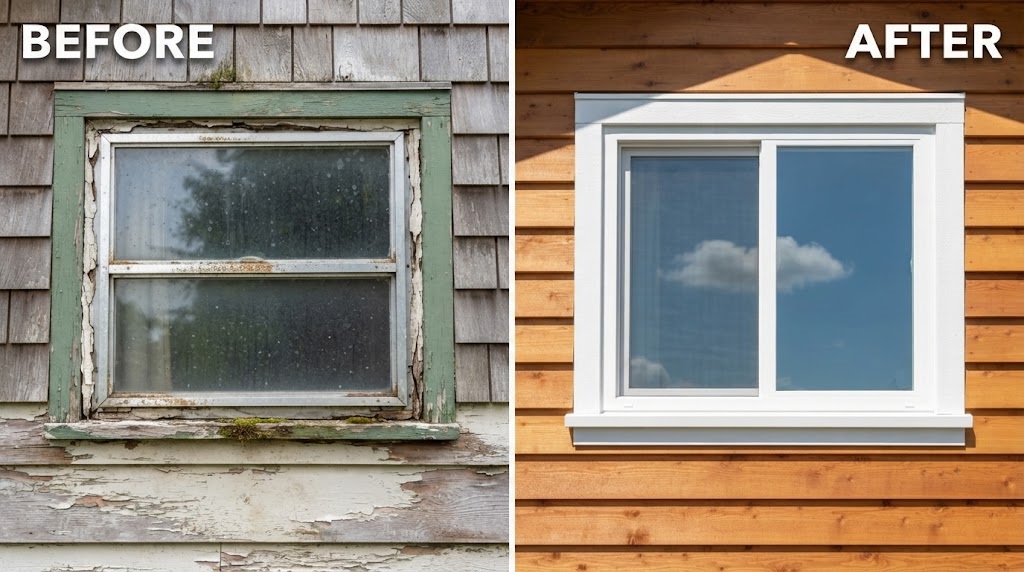
Understanding the immense environmental pressures placed on residential properties in this region is the first step in realizing the value of an exterior renovation. The demands placed on building materials here are unlike anywhere else in the United States.
Combating Extreme Heat and Suffocating Humidity
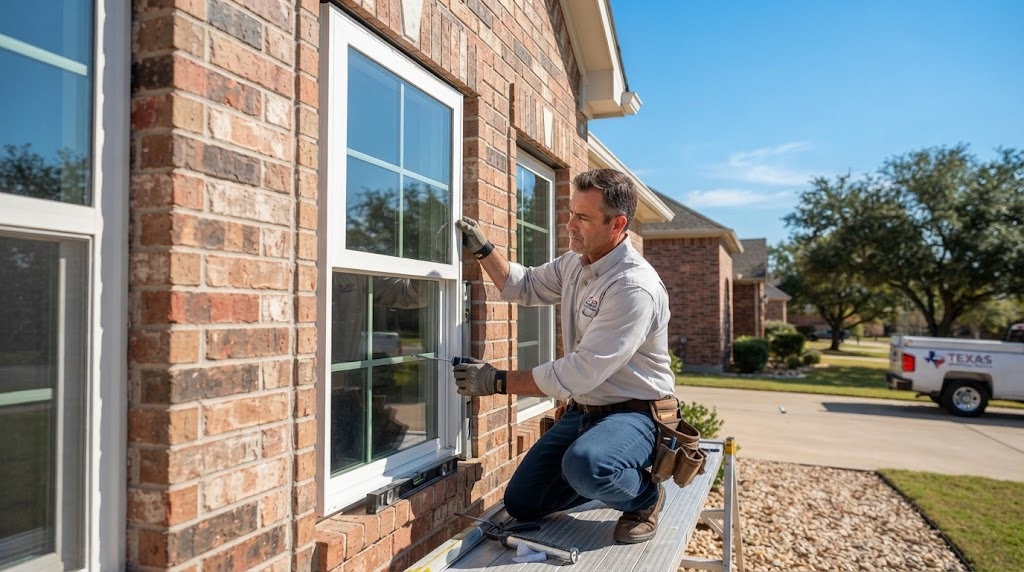
The most universal challenge for homeowners across the state is the intense summer heat. When temperatures consistently soar above 100 degrees Fahrenheit, older, inefficient windows act like giant magnifying glasses, transferring massive amounts of solar radiation directly into your living spaces. This forces your HVAC system to run continuously, leading to skyrocketing electricity bills and premature air conditioning breakdowns. Upgrading to a premium
Texas Window and door package blocks this thermal transfer. Modern units utilize advanced weather-stripping and insulated glass units (IGUs) that lock the cool, air-conditioned air inside while reflecting the brutal summer heat back outside, drastically improving indoor comfort and lowering utility costs.
Protecting Against Severe Weather and Storms
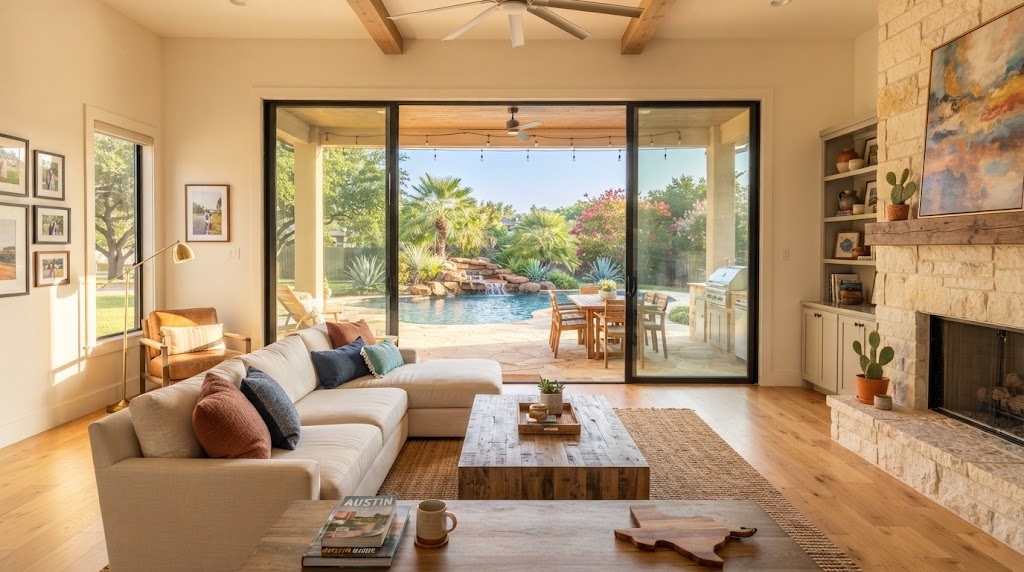
Beyond the heat, property owners must defend against severe, violent weather events. In North Texas, spring brings massive hail and tornadic winds that can easily shatter standard glass. Along the coastal regions, building codes demand protection against flying debris generated by Category 4 and 5
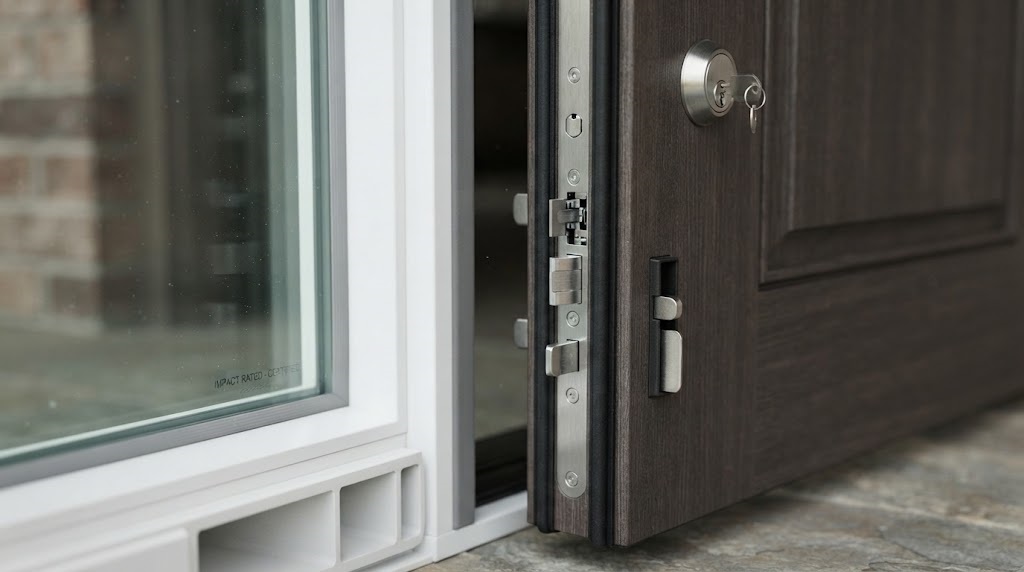
hurricanes. For these high-risk areas, a specialized Texas Window and door installation is an absolute necessity. Impact-resistant windows are manufactured with a layer of polyvinyl butyral (PVB) sandwiched between two panes of tempered glass. Even if the outer glass is struck by a flying tree branch, the inner PVB layer holds the shattered glass safely in place, preventing a catastrophic structural blowout that could destroy your home’s roof.
Choosing the Right Materials for Your Texas Window and door Project
Selecting the correct framing material is just as important as choosing the right glass. The climate you live in should dictate the materials you select, as different frames expand, contract, and conduct heat in different ways.
Vinyl vs. Aluminum Frames
When evaluating Texas Window and door quotes, you will frequently encounter vinyl and aluminum options. Vinyl has become the most popular residential choice across the state because it is highly affordable, completely rot-proof, and serves as an excellent thermal insulator. High-quality virgin vinyl will not warp or fade under the intense southern sun. On the other hand, traditional aluminum frames are highly conductive, meaning they transfer outside heat directly into your home. However, modern “thermally broken” aluminum frames feature a polyurethane barrier that stops this heat transfer, making them a sleek, durable option for contemporary, modern-style homes that require thin sightlines and expansive glass panes.
Fiberglass and Traditional Wood Options
For those seeking the absolute pinnacle of durability, fiberglass is rapidly becoming the premier Texas Window and door material. Fiberglass is incredibly strong, allowing for thinner frames and larger glass areas. More importantly, it expands and contracts at the exact same rate as the glass it holds, which prevents the
window seals from breaking over time during extreme temperature fluctuations. Traditional wood, while offering unmatched historic beauty and luxury, requires extensive maintenance. In humid climates like Houston, wood can swell, warp, and fall victim to termite damage if not meticulously painted and sealed every few years. Many homeowners prefer wood-clad options, which feature a durable fiberglass or aluminum exterior with a beautiful, warm wooden interior.
Understanding Glass Glazing and Low-E Coatings
The framing material is important, but the glass itself makes up 80% of the unit. Any modern Texas Window and door upgrade must feature Low-Emissivity (Low-E) glass. Low-E coatings are microscopically thin, transparent layers of silver applied to the glass during manufacturing. These coatings act
like a thermos: they allow natural visible sunlight to pass through while acting as a mirror to bounce invisible infrared heat radiation away from your home. Furthermore, the space between the double or triple panes is typically filled with Argon or Krypton gas. These dense, non-toxic inert gases slow down thermal transfer significantly better than regular air, ensuring your home remains an oasis of cool air during the blistering months of July and August.
Navigating the Texas Window and door Installation Process
Purchasing the highest-quality, most energy-efficient product on the market is entirely useless if it is installed incorrectly. Water intrusion and air drafts are almost always the result of poor craftsmanship, not defective products.
Hiring the Right Local Contractors
Finding a reliable Texas Window and door contractor is the most critical phase of your renovation. Never hire transient contractors who knock on your door after a severe storm. You must seek out established, locally-owned companies with deep roots in your community. A reputable installer will have dedicated showroom facilities, carry comprehensive general liability and workers’ compensation insurance, and employ factory-trained, certified
W-2 installation crews rather than random day laborers. Ask prospective contractors about their specific waterproofing techniques, including their use of customized flashing tapes, expanding minimal-expansion foam insulation, and high-grade exterior caulking sealants.
Understanding Warranties and Building Codes
Before signing a contract, you must carefully read the warranty fine print. A trustworthy Texas Window and door manufacturer will offer a lifetime limited warranty on the product itself, covering glass seal failure (which causes foggy windows) and frame warping. Additionally, your local installation company should offer a robust
workmanship warranty covering their labor for at least five to ten years. Furthermore, your contractor must handle all municipal building permits and navigate local building codes. In coastal counties, the Texas Department of Insurance (TDI) has strict building code requirements regarding windstorm compliance, and your contractor must ensure all installed products meet these rigorous engineering standards.
Return on Investment for a Texas Window and door Replacement
While a full-house exterior renovation represents a significant financial investment, the long-term economic benefits and lifestyle improvements make it one of the highest-yielding projects a property owner can undertake.
Lowering Monthly Energy Bills
The most immediate financial return you will witness after installing an energy-efficient Texas Window and door system is the drastic reduction in your monthly utility bills. According to the US Department of Energy, homes with single-pane or outdated double-pane windows lose up to 30% of their heating and cooling energy through their fenestration. By upgrading to Low-E, Argon-filled units, homeowners often see their summer cooling costs drop by 15% to 25%. Over the lifespan of the products, these cumulative monthly energy savings can offset a massive portion of the initial installation cost.
Boosting Curb Appeal and Resale Value
Beyond energy efficiency, a complete Texas Window and door overhaul dramatically transforms the architectural aesthetic of your property. Swapping out faded, bulky aluminum sliders for sleek, black-framed casement windows or installing a stunning mahogany-finished fiberglass front entry
door instantly elevates your home’s curb appeal. If you plan to sell your home in the future, prospective buyers highly value upgraded, energy-efficient exteriors. Real estate data consistently shows that homeowners can recoup between 65% and 75% of their total project cost in added property value at the time of resale, making it a highly secure capital improvement.
Frequently Asked Questions
How much does the average cost of a Texas Window and door replacement project run?
Pricing varies widely based on material choices, glass packages, and the size of your home. On average, standard double-pane vinyl replacements cost between $600 and $1,200 per opening, installed. Premium fiberglass, customized wood cladding, or specialized hurricane-impact units can range from $1,500 to $2,500+ per opening.
Do I need permission from my Homeowner Association (HOA) before upgrading?
Yes. Almost all residential HOAs maintain strict architectural control committees (ACC) that regulate exterior home modifications. Before your Texas Window and door project begins, you must submit a formal request detailing the frame materials, exterior colors, and grid patterns to ensure they comply with your neighborhood’s specific aesthetic guidelines.
How long does the installation process take?
Once the custom products are manufactured and delivered to the contractor’s warehouse, the physical installation is surprisingly fast. For an average-sized residential home containing 15 to 20 windows and a couple of exterior doors, a professional crew can typically complete the entire tear-out, installation, and clean-up process within one to two days.
What is the difference between retrofit and new construction installation?
A retrofit (or insert) installation involves sliding a new window into the existing wooden or structural frame of your home, which is faster and preserves interior trim. A full-frame “new construction” installation requires removing the entire existing frame down to the structural wall studs. Full-frame installations are necessary if your existing wooden frames show signs of severe water rot or termite damage.
Does a Texas Window and door upgrade actually reduce outdoor noise?
Yes, significantly. If you live near a busy highway, a noisy school zone, or underneath an airport flight path, upgrading your home’s exterior will drastically improve acoustic comfort. The combination of thick double or triple-pane glass, dense Argon gas fills, and airtight framing seals blocks high-frequency sound waves, creating a peaceful, quiet indoor sanctuary.
Are tax credits or utility rebates available for upgrading?
Often, yes. The federal government frequently offers energy efficiency tax credits (such as the Energy Star tax credit) for installing qualifying high-efficiency products. Additionally, many local municipal utility companies offer cash rebates to homeowners who upgrade their building envelopes to reduce strain on the Texas power grid during peak summer hours. Check with your local energy provider and tax professional for current programs.
Conclusion
Fortifying your home against the unpredictable and often harsh southern climate is a responsibility that pays dividends in comfort, safety, and financial savings. By prioritizing a Texas Window and door upgrade, you are not simply changing the look of your house; you are fundamentally altering how your living space interacts with the natural environment. Upgrading from outdated, drafty materials to modern, Low-E glass, durable fiberglass, or high-grade vinyl framing ensures that your air conditioning remains inside where it belongs, your monthly utility bills shrink, and your family remains protected from severe coastal storms and brutal inland heatwaves.
Take the time to thoroughly research your material options, understand the importance of energy-efficient glass metrics, and rigorously vet your local installation contractors to ensure flawless craftsmanship. With careful planning and the right professional partnership, a comprehensive exterior fenestration upgrade will elevate your home’s architectural beauty, maximize its real estate market value, and provide you with decades of uncompromising comfort and security.

Written by Twastia Editorial Team
Twastia Editorial Team shares practical insights about website design, SEO services, Google Ads, content marketing, social media, conversion rate optimization, and digital marketing strategy.
Last updated: Oct 22, 2026
Related posts from Twastia
Explore more useful articles from twastia.com about digital marketing, SEO, websites, ads, content, and growth strategy.