1.8 Mods and Upgrades: Best Audi & VW 1.8T Tuning Guide
The Volkswagen and Audi 1.8T engine has earned a strong reputation among automotive enthusiasts because of its impressive tuning potential, […]
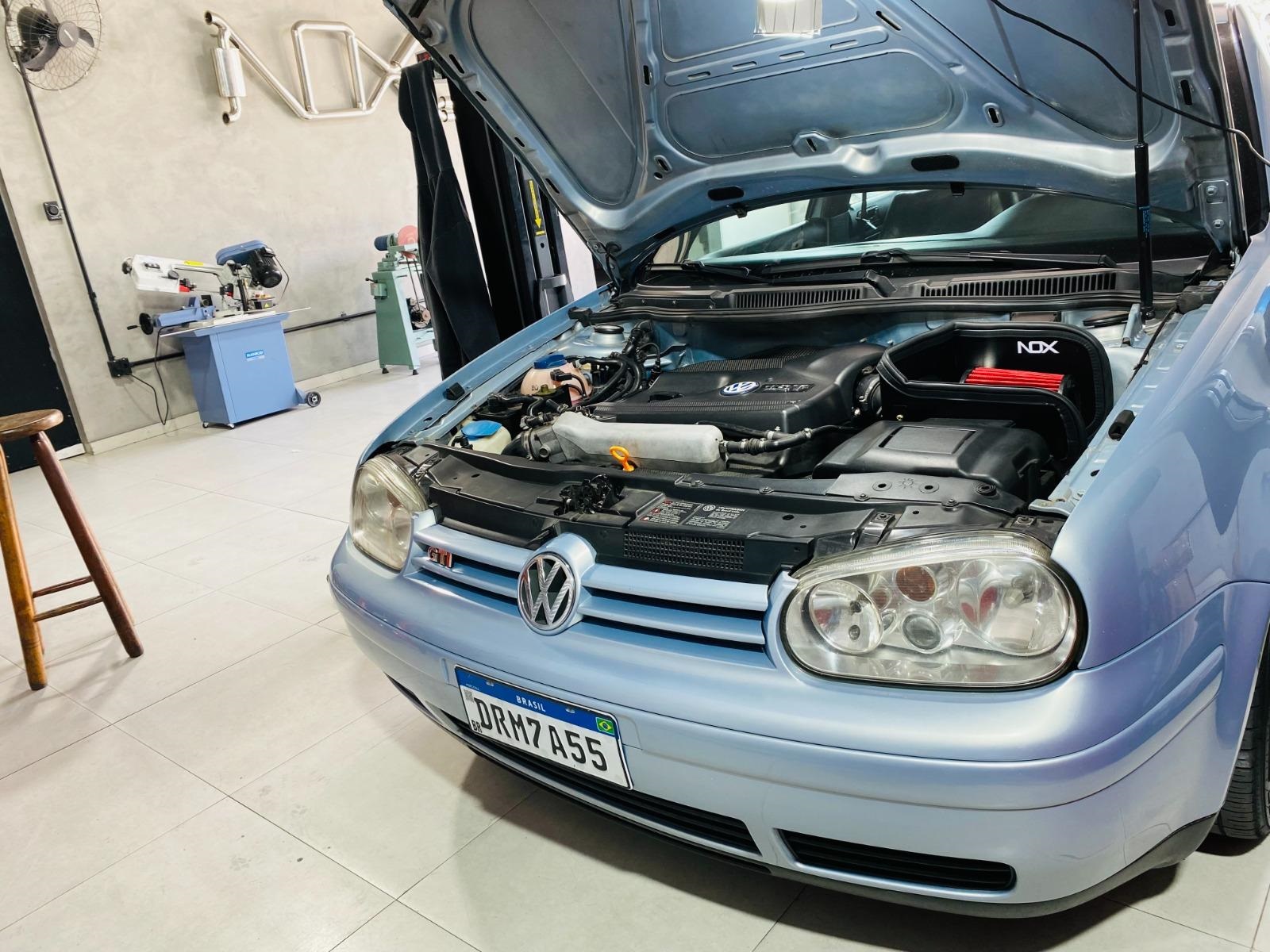
The Volkswagen and Audi 1.8T engine has earned a strong reputation among automotive enthusiasts because of its impressive tuning potential, compact design, and turbocharged performance. Whether you drive an Audi A4, Volkswagen Golf GTI, Jetta, Passat, or Audi TT, the right 1.8 mods and upgrades can transform your driving experience.
Unlike naturally aspirated engines that often require expensive mechanical modifications for noticeable horsepower gains, the turbocharged 1.8T can respond well to carefully selected software and hardware improvements.
From ECU remapping and intercooler upgrades to larger turbochargers and improved engine components, enthusiasts have many options.
However, not every modification produces meaningful results, and unnecessary upgrades can increase expenses without improving everyday performance.
This guide explains the best 1.8T performance upgrades, how tuning stages work, potential horsepower improvements, maintenance requirements, and important considerations for drivers in the United States.
Understanding the Audi and Volkswagen 1.8T Engine
Before exploring performance modifications, it’s important to understand what makes the 1.8T engine special.
The classic Volkswagen Group 1.8T is a 1.8-liter turbocharged, four-cylinder gasoline engine featuring a 20-valve cylinder head with five valves per cylinder.
Its cast-iron engine block, turbocharged configuration, and extensive aftermarket support have helped make it a popular platform for performance enthusiasts.
Depending on the model and engine version, factory output ranged from approximately 150 to 240 horsepower.
In the United States, the engine appeared in several popular vehicles, including the Volkswagen Golf GTI, Jetta, Passat, New Beetle, Audi A4, and Audi TT.
TorqueCars
+1
Why Is the 1.8T Popular for Tuning?
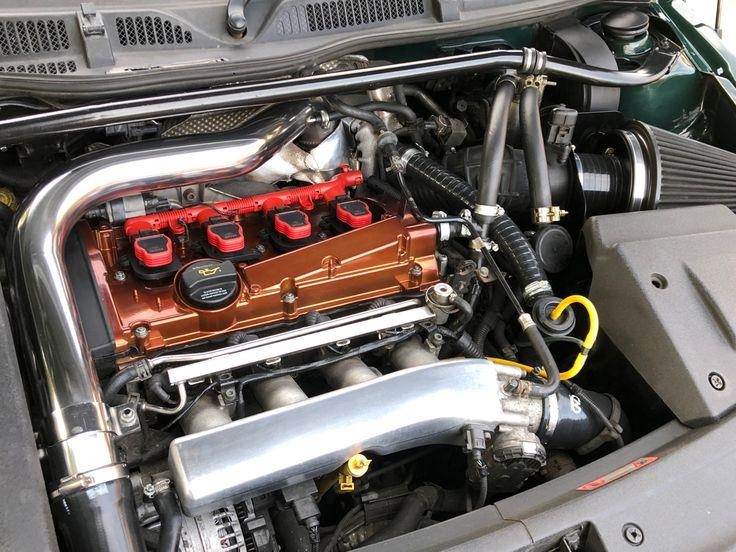
Several characteristics make the engine attractive to performance enthusiasts:
- Strong aftermarket support for replacement and performance parts.
- Turbocharging that provides opportunities for additional power through appropriate tuning.
- Numerous compatible upgrades for intake, cooling, and turbocharger systems.
- Availability of replacement components and experienced European-car specialists.
- Flexible performance goals, from responsive daily drivers to dedicated track builds.
The most important factor is selecting modifications that match the specific engine code, turbocharger, transmission, and intended use.
Best 1.8 Mods and Upgrades for Better Performance

Choosing the right upgrades involves understanding how each component affects engine performance.
Here are the modifications that deserve consideration.
1. ECU Tuning and Performance Remapping

An ECU tune is often the first major performance upgrade for a healthy, turbocharged 1.8T engine.
The engine control unit manages several important functions, including fueling, ignition timing, boost control, and throttle response.
A carefully calibrated performance tune can improve the engine’s torque delivery and make better use of the available turbocharger.
For many owners, this provides a more noticeable improvement than installing an intake or exhaust system alone.
However, actual gains depend on the engine version, fuel quality, mechanical condition, and calibration.
Choose a reputable tuner who offers software designed for your exact vehicle configuration. For US street-driven vehicles, verify that the calibration is emissions compliant.
2. Performance Air Intake System
A performance intake system is another popular modification.
Its primary purpose is to help the engine receive air efficiently while reducing unnecessary intake restrictions.
Options include replacement panel filters, upgraded inlet pipes, and complete intake assemblies.
Some aftermarket systems also produce a more noticeable turbocharger sound.
However, an open intake isn’t automatically better than the factory airbox.
Poorly designed systems may draw hot engine-bay air, reducing potential performance benefits.
For most street-driven vehicles, a properly maintained factory airbox with an appropriate filter can remain an effective solution.
3. Intercooler Upgrades
Turbochargers compress incoming air, which increases its temperature.
An intercooler helps reduce that temperature before the air reaches the engine.
Upgrading the intercooler can improve consistency during repeated acceleration, particularly in hot climates.
This is especially useful for drivers in warmer American states such as Arizona, Texas, Nevada, and Florida.
A properly sized intercooler can help reduce heat-related performance losses. Nevertheless, excessively large or poorly designed systems can introduce pressure losses or packaging problems.
Choose a system suited to your turbocharger and power target.
4. Performance Exhaust System
A well-designed exhaust system can improve sound and, in some applications, reduce exhaust-flow restrictions.
Cat-back systems are a popular option because they replace components downstream of the catalytic converter.
However, exhaust upgrades alone typically won’t deliver dramatic horsepower increases on a lightly modified 1.8T.
More substantial improvements may become possible when the exhaust system is matched with a higher-output turbocharger and appropriate tuning.
For American drivers, emissions compliance is particularly important. Avoid removing, bypassing, or disabling required catalytic converters and other emissions-control equipment.
US EPA
+1
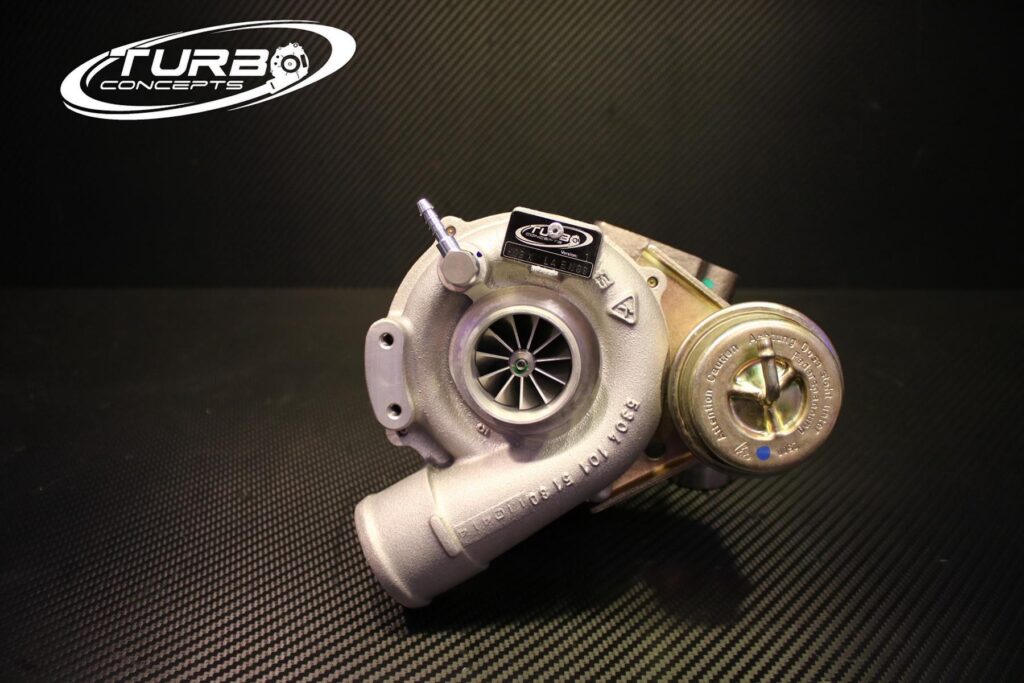
5. Turbocharger Upgrades: K03 vs K04
One of the most significant upgrades involves replacing the original turbocharger with a suitable higher-flow unit.
Many lower-output 1.8T engines were equipped with versions of the K03 turbocharger, while some higher-performance applications used K04-family turbos.
A larger turbocharger may sustain airflow at higher engine speeds, providing greater horsepower potential.
However, installing a K04 isn’t necessarily a direct swap.
Compatibility depends on engine orientation, exhaust manifold, turbine housing, plumbing, fuel system, and ECU calibration.
Turbocharger selection should be part of a complete performance plan, not an isolated purchase.
TorqueCars
6. Fuel Injectors and Fuel System Upgrades
As turbocharger output increases, the engine may require more fuel to maintain appropriate combustion conditions.
Higher-flow injectors and an adequately sized fuel pump can support increased power, provided they are compatible with the ECU calibration.
Installing oversized injectors without proper tuning can cause drivability problems, incorrect fueling, and poor performance.
For a mild Stage 1 build, the original fuel system may be sufficient. Larger turbocharger applications require more careful fuel-system planning.
A professional tuner should verify fuel pressure, injector capacity, and air-fuel ratios before recommending additional components.
7. Upgraded Connecting Rods and Internal Components
Connecting rods are an important consideration for high-torque 1.8T builds.
Although the engine has a strong reputation, factory internal components have limitations that vary between engine versions.
Aggressive boost and torque delivery can increase stress on connecting rods, pistons, bearings, and other components.
For higher-power projects, forged connecting rods and other internal upgrades may provide additional strength.
These modifications are expensive and involve substantial engine work, so they’re generally more appropriate for serious performance builds than modest daily-driver upgrades.
Understanding 1.8T Tuning Stages
Tuning companies frequently organize performance modifications into stages.
However, Stage 1, Stage 2, and Stage 3 are not standardized industry classifications. Requirements vary between tuning providers.
The following table illustrates common upgrade paths.
| Tuning Stage | Typical Upgrades | Main Goal |
|---|---|---|
| Stage 1 | ECU calibration, maintenance checks | Improved torque and responsiveness |
| Stage 2 | Supporting intake, cooling, exhaust, and software upgrades | Better sustained performance |
| Stage 3 | Larger turbo, fuel-system changes, custom tuning, possible internal upgrades | Substantial horsepower gains |
Stage 1: Everyday Performance
Stage 1 is often the most practical starting point for owners who want a responsive daily driver.
A compatible ECU tune may provide noticeable improvement without requiring extensive mechanical modifications.
Before tuning, confirm that the turbocharger, cooling system, ignition components, and engine are in good condition.
Stage 2: Supporting Higher Performance
Stage 2 modifications focus on helping the engine operate effectively at greater performance demands.
Intercooler improvements, appropriate intake components, compatible exhaust modifications, and revised ECU calibration may be involved.
The exact configuration should follow the tuner’s requirements.
Stage 3: Advanced Performance Builds
Stage 3 typically involves more substantial changes, including a larger turbocharger and additional supporting components.
Fuel delivery, cooling, clutch capacity, and engine durability become increasingly important.
These builds require a larger budget, specialist knowledge, and realistic expectations about reliability.
How Much Horsepower Can a Modified 1.8T Make?
One of the most common questions concerns potential horsepower gains.
A factory 1.8T can produce approximately 150–240 horsepower, depending on its original configuration.
Performance tuning may increase that output, but there is no guaranteed result for every engine.
A mild software tune might deliver a meaningful improvement, while a carefully engineered larger-turbo build can potentially produce substantially more power.
Some modified 1.8T engines exceed 300 horsepower, although achieving that output reliably requires suitable hardware, calibration, and mechanical condition.
Horsepower figures should always be evaluated alongside torque, engine temperature, drivability, and long-term durability.
For meaningful comparisons, use consistent dynamometer testing methods and distinguish between crankshaft horsepower and wheel horsepower.
Reliability Tips Before Installing Performance Upgrades
A well-maintained engine is the foundation of a successful tuning project.
Because many original 1.8T vehicles are now more than two decades old, maintenance should take priority over additional boost.
Inspect Common Problem Areas
Before modifications, inspect the following:
- Timing belt and associated service components.
- Engine oil condition and service history.
- Vacuum hoses, crankcase ventilation, and boost leaks.
- Ignition coils and spark plugs.
- Cooling system and coolant hoses.
- Turbocharger condition and abnormal noises.
- Fuel delivery and diagnostic trouble codes.
The 1.8T is an interference engine, making proper timing-belt maintenance especially important.
If the vehicle’s service history is uncertain, a comprehensive inspection is a sensible first investment.
Use Appropriate Engine Oil and Fuel
Turbocharged engines operate under demanding temperatures and loads.
Use oil that meets the applicable Volkswagen or Audi specifications for your particular engine.
Choose fuel that meets your tuner’s octane requirements.
In the United States, gasoline octane is commonly displayed using the AKI rating, which differs from the RON system used in many other countries.
Never assume that a calibration designed for one fuel rating will perform safely on another.
Common Mistakes to Avoid When Tuning a 1.8T
Enthusiasts sometimes focus on individual performance parts without considering the complete engine system.
One common mistake is increasing boost pressure without checking fueling, ignition, temperatures, and mechanical limits.
Another is purchasing a larger turbocharger before establishing a realistic horsepower target.
Ignoring clutch condition, transmission capacity, and braking performance can also create problems when power increases significantly.
Perhaps the most expensive mistake is modifying an engine that already has unresolved maintenance issues.
A structured upgrade plan usually delivers better results than purchasing unrelated parts.
Are 1.8T Performance Modifications Legal in the USA?
Not every aftermarket performance component is legal for street use.
Federal emissions regulations prohibit tampering with required emissions-control systems, and some software modifications can violate those requirements.
State regulations may impose additional restrictions.
For example, California has specific emissions-compliance requirements for many aftermarket performance parts.
Before purchasing an ECU tune, exhaust component, or turbocharger conversion, confirm its legality for your vehicle and state.
A product advertised for racing applications should not automatically be considered suitable for public-road use.
US EPA
Frequently Asked Questions About 1.8 Mods and Upgrades
What are the best 1.8T modifications for beginners?
For a healthy vehicle, a reputable, emissions-compliant ECU tune is often a practical first performance upgrade. Complete overdue maintenance and inspect the engine before modifying it.
Is the Audi 1.8T engine reliable when modified?
It can remain reliable with appropriate maintenance, conservative tuning, and compatible components. However, additional power increases mechanical stress, and reliability depends heavily on the engine’s condition and setup.
Is a K04 turbo better than a K03?
A suitable K04 can offer greater airflow and higher horsepower potential, while a K03 generally provides responsive performance at lower engine speeds. The better choice depends on your goals and vehicle configuration.
Do I need a bigger intercooler for Stage 1?
Not necessarily. Many mild builds retain the original intercooler, but upgrading can improve temperature management during demanding driving conditions.
Can I reach 300 horsepower with a 1.8T engine?
Yes, some properly engineered 1.8T builds can achieve around 300 horsepower or more. However, a suitable turbocharger, supporting hardware, fuel delivery, and professional calibration are necessary.
How much should I budget for 1.8T upgrades?
Costs depend on your vehicle’s condition, the chosen parts, installation labor, and performance goals. Obtain current quotes from experienced Audi or Volkswagen specialists before committing to a build.
Conclusion
Choosing the right 1.8 mods and upgrades can help unlock the performance potential of the classic Audi and Volkswagen 1.8T engine.
For most enthusiasts, the smartest approach begins with maintenance, diagnostics, and a carefully selected ECU tune.
Intercooler improvements, intake upgrades, and compatible exhaust systems can provide additional support as performance goals increase.
For more ambitious projects, a larger turbocharger and properly matched supporting components offer greater horsepower potential.
The key is balancing power, reliability, cost, and legal compliance rather than chasing the highest possible dyno number.
Whether you’re upgrading a Volkswagen Golf GTI, Audi A4, or Audi TT, a well-planned 1.8T build can deliver an enjoyable combination of turbocharged performance and everyday usability.
For additional technical information, explore the TorqueCars VW and Audi 1.8T tuning guide, which discusses engine variations, turbocharger options, and modification strategies.

Written by Twastia Editorial Team
Twastia Editorial Team shares practical insights about website design, SEO services, Google Ads, content marketing, social media, conversion rate optimization, and digital marketing strategy.
Last updated: Oct 10, 2026
Related posts from Twastia
Explore more useful articles from twastia.com about digital marketing, SEO, websites, ads, content, and growth strategy.