San Antonio Fences: Best Materials, Styles & Installation Guide
A good fence does more than mark where your property begins and ends. It provides privacy, creates a more secure […]
A good fence does more than mark where your property begins and ends. It provides privacy, creates a more secure outdoor space, improves curb appeal, and makes your yard more enjoyable.
For homeowners in San Antonio, choosing the right fence requires some extra thought. Intense summer heat, occasional heavy rain, varying soil conditions, and neighborhood requirements can all influence how well a fence performs over time.
Whether you’re replacing an aging backyard fence or installing one around a new property, understanding your options helps you make a smarter investment.
From traditional cedar privacy fences to elegant ornamental iron designs, San Antonio fences come in many styles, materials, and price ranges.
This guide covers the most popular fencing options, installation considerations, local regulations, maintenance recommendations, and tips for choosing a reliable contractor.
Why Quality Fencing Matters for San Antonio Properties
Installing a fence is one of the most practical improvements you can make to your home or commercial property.
A well-designed fence combines functionality with appearance, creating an outdoor environment that suits your lifestyle.
Greater Privacy for Outdoor Living
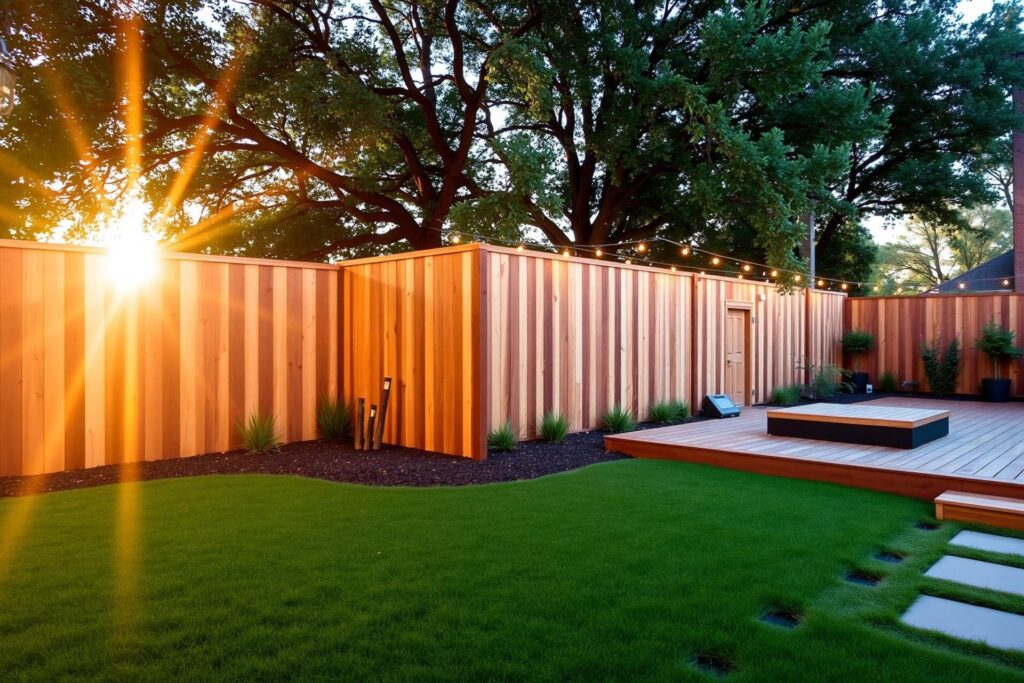
San Antonio homeowners frequently use their backyards for family gatherings, barbecues, and relaxing evenings.
A privacy fence helps create separation from neighboring properties and nearby streets.
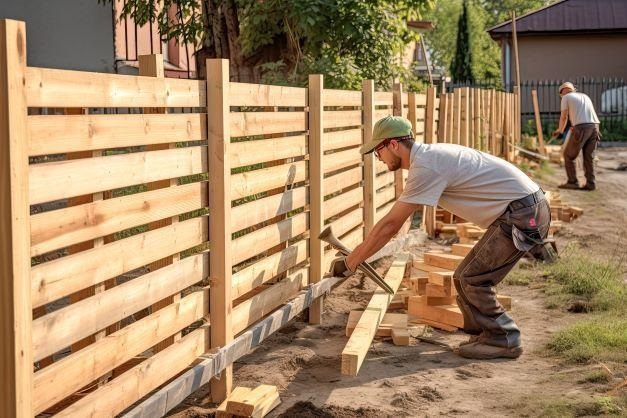
Solid wood fencing is particularly popular because it creates a natural-looking barrier while allowing homeowners to customize the height, color, and design.
Improved Security and Property Boundaries
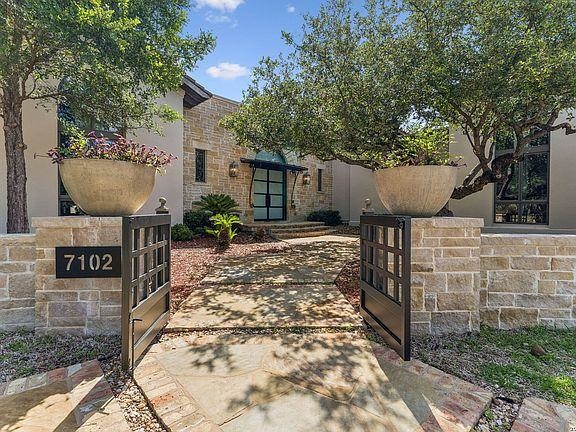
Fencing can discourage casual trespassing and help establish a defined perimeter around your property.
It also provides a physical boundary for children and pets, although gate hardware, fence height, and openings must be suitable for their intended purpose.
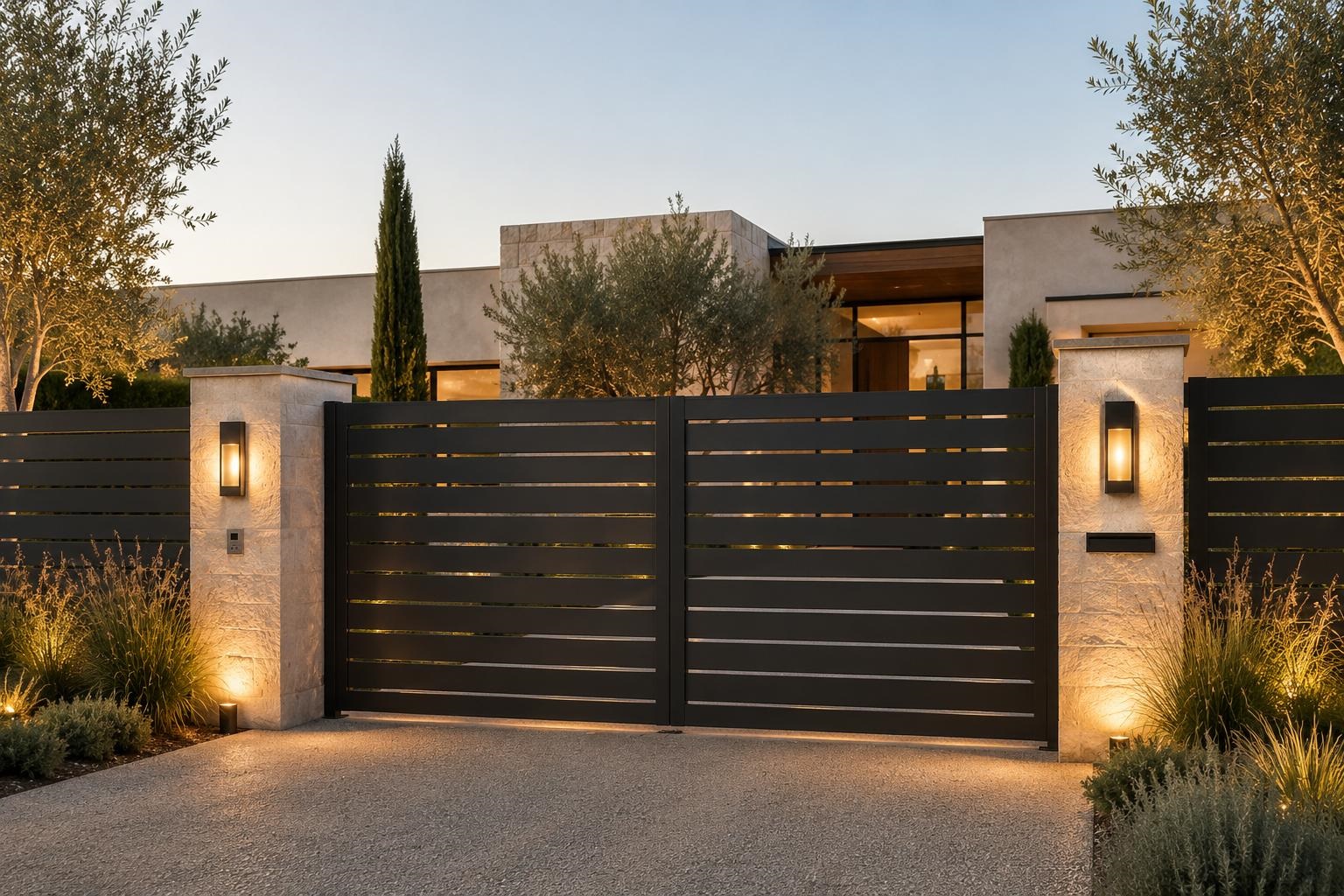
For additional access control, some property owners choose metal fencing combined with secure driveway gates.
Better Curb Appeal and Outdoor Design
The right fence should complement your home’s architectural style.
A cedar privacy fence can create a warm, inviting appearance, while ornamental iron fencing adds an elegant finishing touch to traditional and contemporary properties.
Thoughtful fencing can also make landscaping appear more organized and visually appealing.
Best Types of Fences for San Antonio Homes
There is no single fencing material that works best for every property.
Your decision should depend on your budget, desired appearance, privacy requirements, and willingness to perform maintenance.
1. Wood Fences: Natural Beauty and Privacy

Wood remains a popular option for residential fencing because it offers flexibility, privacy, and a timeless appearance.
Cedar is especially attractive for homeowners who want rich natural color and a fence that can be stained or finished to match their home.
Common wood fence styles include:
- Board-on-board privacy fencing
- Traditional vertical picket fencing
- Horizontal wood fencing
- Shadowbox fencing
- Decorative cap-and-trim designs
Wood fences require periodic maintenance, particularly in San Antonio’s sunny climate. Applying a suitable protective finish and repairing damaged boards can help extend their service life.
2. Iron Fences: Strength and Elegant Design

Ornamental iron fencing is an excellent choice when appearance and perimeter definition are important.
It works particularly well for front yards, landscaped properties, and decorative entrances.
Iron fences provide visibility through the fence while creating a defined boundary.
With appropriate protective finishes and maintenance, they can deliver many years of dependable performance.
However, iron generally provides less visual privacy than solid wood fencing.
3. Aluminum Fences: Lightweight and Low Maintenance
Aluminum fencing offers the attractive appearance of ornamental metal without the same susceptibility to rust as untreated iron or steel.
Many aluminum fences feature powder-coated finishes designed for outdoor exposure.
They are popular around landscaped yards, gardens, and residential properties where homeowners want an open appearance.
Aluminum is also relatively easy to maintain, although the strength of different products varies.
4. Chain-Link Fences: Practical and Affordable
Chain-link fencing is often selected for its affordability and functionality.
It can be useful for large yards, utility areas, commercial properties, and some pet enclosures.
Although standard chain-link fences do not offer substantial visual privacy, compatible privacy slats or screening materials can reduce visibility.
Property owners can also choose coated chain-link products for a more finished appearance.
5. Custom Fences and Electric Gates
Custom fencing allows you to combine materials and design features according to your property’s layout.
For example, a homeowner might install wood privacy fencing around the backyard while using decorative metal fencing near the front entrance.
Electric driveway gates can add convenient access control, provided they include suitable safety devices and comply with applicable installation standards.
For homeowners considering professional custom fencing in San Antonio, Aqua Blu Services lists wood, iron, aluminum, chain-link, and electric gate solutions among its fencing offerings.
Aqua Blu Services
Which Fence Material Is Best for San Antonio Weather?
San Antonio’s climate can be demanding on outdoor building materials.
Long periods of sunshine, high summer temperatures, changing moisture levels, and occasional strong storms make installation quality especially important.
Consider Heat and Sun Exposure
Wood can lose moisture, fade, warp, or crack when repeatedly exposed to intense sunlight.
Protective stains and finishes help reduce weather-related deterioration.
Aluminum and properly coated metal fencing generally require less routine refinishing, although finishes can still fade or become damaged.
Pay Attention to Drainage and Soil Conditions
Fence posts need stable foundations.
Some San Antonio properties have expansive clay soils, while others contain limestone or rocky ground.
These different conditions affect digging, drainage, and post installation.
An experienced contractor should evaluate the site rather than assuming the same installation method works everywhere.
Choose Materials Based on Long-Term Maintenance
Homeowners looking for natural beauty may prefer cedar fencing, even with occasional maintenance.
Those seeking easier upkeep may find coated aluminum more convenient.
The best choice balances appearance, installation cost, durability, and the amount of care you’re willing to provide.
How Much Does Fence Installation Cost in San Antonio?
The cost of installing a fence depends on several factors, including material selection, fence height, total length, ground conditions, and installation complexity.
Rather than relying on a single average price, homeowners should request a detailed estimate based on their property’s actual measurements.
Key Factors That Affect Fence Installation Costs
Fence material: Basic chain-link fencing usually has a different cost structure than custom ornamental iron or premium cedar.
Property size: Larger properties require more materials, labor, and installation time.
Fence height and design: Taller fences, decorative finishes, custom gates, and complex layouts can increase the total price.
Ground conditions: Rocky soil, sloped yards, and difficult access may require additional preparation.
Existing fence removal: Removing and disposing of an old fence may add to the project cost.
Compare Value, Not Just the Lowest Quote
A cheaper fence is not always the most economical choice over time.
Poor installation, inadequate post foundations, and low-quality materials can lead to premature repairs.
When comparing San Antonio fence contractors, request written estimates that clearly describe materials, labor, removal costs, permits, and warranty coverage.
San Antonio Fence Permits and Local Regulations
Before installing a new fence, homeowners should understand the applicable rules.
The City of San Antonio requires permits for new fences within city limits. For repairs or replacements, a permit is generally required when the work exceeds 25% of the continuous length of an existing fence.
City of San Antonio
Understanding Fence Height Restrictions
For typical single-family residential properties, San Antonio’s fencing regulations generally allow:
| Fence Location | General Height Limit |
|---|---|
| Front yard, solid fence | 3 feet |
| Front yard, predominantly open fence | 5 feet |
| Side yard | 6 feet |
| Rear yard | 6 feet |
Certain properties may qualify for different limits or exceptions, including some circumstances allowing fences up to 8 feet.
Corner lots, historic districts, special zoning areas, and properties with visibility restrictions may have additional requirements.
Municode Library
+1
These figures are general guidelines, not approval for a particular project. Always confirm current requirements with the City of San Antonio Development Services Department before construction.
Check HOA and Property Boundary Requirements
Some neighborhoods have homeowners association rules governing fence colors, materials, and styles.
You should also verify property boundaries before installing posts.
A property survey may be useful when boundary locations are uncertain, particularly when replacing older fencing.
Taking these steps early helps prevent expensive corrections or disputes.
How to Choose the Right Fence Contractor in San Antonio
Professional installation can make a significant difference in the appearance and longevity of your fence.
Choosing a contractor should involve more than comparing prices.
Look for Relevant Local Experience
An experienced local fencing contractor should understand the soil conditions, weather exposure, and installation challenges common throughout San Antonio and surrounding communities.
Ask whether the company regularly installs your preferred fence material.
Experience with ornamental metal fencing, for example, does not automatically guarantee expertise with custom wood privacy designs.
Review Previous Work and Customer Feedback
Before hiring a contractor, look at photographs of completed projects.
Pay attention to straight fence lines, consistent board spacing, properly aligned gates, and neat finishing details.
Independent customer reviews can also help you understand communication quality, professionalism, and responsiveness.
Ask About Materials, Permits, and Warranties
A reliable estimate should identify the fence material, post specifications, finish, gate hardware, and expected project timeline.
Ask who will obtain necessary permits and whether that responsibility is included in the quoted price.
Also request written information about workmanship warranties and any manufacturer coverage.
Explore Professional Custom Fencing Services
Homeowners looking for tailored fencing solutions can explore Aqua Blu Services’ custom fencing options.
The San Antonio-based company advertises residential fencing solutions, metal and wood fence installations, and electric gate setups. Its website also states that it offers a four-year warranty; customers should verify the applicable warranty terms for their specific project.
Fence Maintenance Tips for Long-Lasting Results
Even properly installed fences benefit from routine inspections and maintenance.
Maintain Wooden Fences
Inspect wooden fences for loose boards, damaged posts, insect activity, and signs of decay.
Clean accumulated dirt when necessary and apply suitable protective treatments according to the product manufacturer’s recommendations.
Keep sprinklers from repeatedly soaking the fence, and avoid allowing vegetation to trap moisture against the boards.
Care for Metal Fences
Check metal fencing for scratched coatings, rust development, loose fasteners, and damaged connections.
Address exposed metal promptly using appropriate repair products.
Clean ornamental fencing periodically to remove dirt and debris.
Inspect Gates and Hardware
Gates experience repeated movement and can develop alignment problems over time.
Inspect hinges, latches, and supporting posts regularly.
For powered gates, follow the manufacturer’s maintenance instructions and have safety equipment inspected by a qualified professional.
Frequently Asked Questions About San Antonio Fences
What is the best fence for privacy in San Antonio?
Solid cedar and other wood privacy fences are popular choices because they block direct views and offer flexible design options. Board-on-board construction can reduce visibility through gaps between boards.
How long does a wooden fence last in Texas?
A wood fence’s lifespan varies according to species, installation quality, drainage, sun exposure, and maintenance. Properly installed and maintained cedar fencing can last many years, but no fixed lifespan applies to every property.
Do I need a permit to install a fence in San Antonio?
Yes, new fences within San Antonio city limits generally require permits. Some smaller repair projects are exempt. Check with Development Services before beginning work.
Is aluminum fencing better than iron fencing?
Aluminum typically offers easier corrosion-related maintenance, while ornamental iron can provide different strength and decorative characteristics. The better option depends on your property’s requirements and the specific products being compared.
How long does fence installation take?
Installation time depends on fence length, site preparation, materials, weather, permits, and design complexity. A contractor can provide a realistic schedule after inspecting your property.
Can a new fence increase property value?
A professionally installed fence may improve a property’s appeal by adding privacy, functionality, and visual definition. However, any effect on resale value depends on local buyer preferences, the fence’s condition, and the overall property.
What should I ask before hiring a San Antonio fence contractor?
Ask about local experience, material specifications, property surveys, permit responsibilities, installation methods, project timelines, cleanup, payment terms, and written warranty coverage.
Conclusion: Find the Right Fence for Your San Antonio Property
Choosing the right fence can improve your property’s privacy, security, appearance, and everyday functionality.
From natural cedar privacy fences to decorative iron and low-maintenance aluminum designs, there are options for different architectural styles and budgets.
The most successful projects begin with a clear understanding of your needs, local regulations, material performance, and installation quality.
When comparing San Antonio fences, think beyond the initial purchase price. Consider long-term maintenance, weather resistance, gate functionality, and professional workmanship.
If you’re planning a new installation or replacing an existing fence, explore the custom fencing services from Aqua Blu Services and request a project-specific estimate.
A thoughtfully designed, professionally installed fence can help turn your outdoor space into a more private, attractive, and enjoyable place for years to come.

Written by Twastia Editorial Team
Twastia Editorial Team shares practical insights about website design, SEO services, Google Ads, content marketing, social media, conversion rate optimization, and digital marketing strategy.
Last updated: Oct 10, 2026
Related posts from Twastia
Explore more useful articles from twastia.com about digital marketing, SEO, websites, ads, content, and growth strategy.