CornerStone Wall Solutions: Retaining Wall Guide for USA
A sloped yard, an uneven landscape, or soil erosion can turn a beautiful property into a challenging space. Whether you’re […]
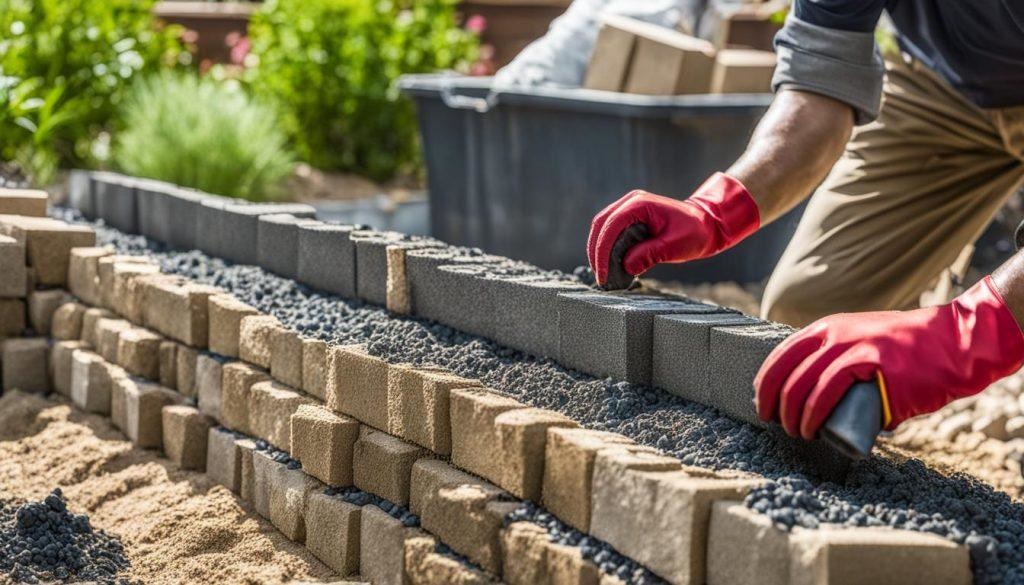
A sloped yard, an uneven landscape, or soil erosion can turn a beautiful property into a challenging space. Whether you’re improving your backyard or developing a commercial property, the right retaining wall can make a remarkable difference.
That’s where CornerStone Wall Solutions comes in.
Known for its innovative retaining wall systems, CornerStone offers concrete wall blocks designed to combine structural performance with attractive landscaping. Its products support residential outdoor improvements, commercial developments, and more complex engineering applications.
For homeowners across the United States, retaining walls can transform difficult terrain into functional gardens, patios, and outdoor living areas. For contractors and developers, properly designed retaining wall systems provide essential soil retention while complementing a property’s architecture.
This guide explores CornerStone’s retaining wall products, their advantages, design possibilities, installation considerations, and how to choose a suitable system for your next project.
What Is CornerStone Wall Solutions?
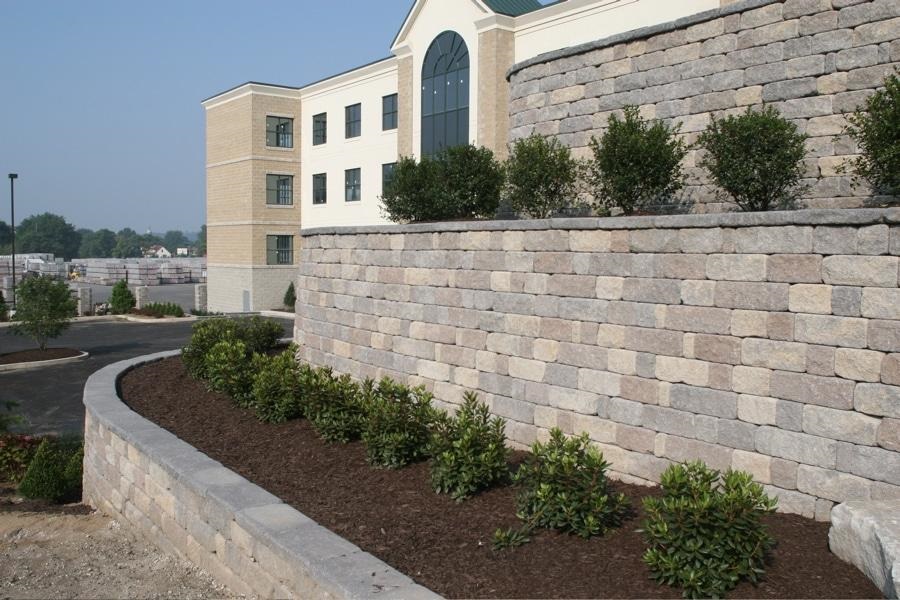
CornerStone Wall Solutions is a company specializing in engineered retaining wall products and systems. Its product lineup includes segmental concrete retaining wall blocks designed for different construction requirements.
Unlike a conventional poured-concrete wall, a segmental retaining wall is assembled from individual manufactured units. Depending on the application, the system may rely on its weight, mechanical connections, reinforced soil, or a combination of engineered components.
CornerStone focuses on making these systems practical to install without sacrificing appearance or structural performance.
Its product portfolio includes CornerStone 100, CornerStone Positive, MiraStone, Fortus, and several other wall systems. The company also provides installation guides, technical resources, and design tools.
Who Can Benefit From CornerStone Products?
CornerStone retaining wall systems can serve several types of projects:
- Homeowners upgrading sloped yards, gardens, or outdoor spaces.
- Landscape contractors building residential and commercial hardscapes.
- Architects incorporating retaining walls into site designs.
- Civil engineers designing soil-retention structures.
- Property developers preparing challenging land for construction.
Because every site has different soil, drainage, loading, and elevation conditions, the best solution depends on the project’s specific requirements.
Why Retaining Walls Matter for American Properties
Retaining walls aren’t simply decorative landscape features. They can play an important role in protecting and improving the land surrounding a property.
Managing Slopes and Soil Erosion
Rainfall, surface runoff, and gravity can gradually move soil downhill. On sloped properties, uncontrolled erosion may damage gardens, pathways, and landscaped areas.
A properly engineered retaining wall helps hold soil in place and creates a more manageable change in elevation.
However, retaining walls must also manage water pressure. Even strong concrete blocks can experience problems when drainage or soil conditions aren’t properly addressed.
Creating More Usable Outdoor Space
One of the biggest advantages of a retaining wall is its ability to make sloped land more practical.
Instead of living with an awkward hillside, homeowners can create level areas for gardens, seating, walkways, or outdoor dining.
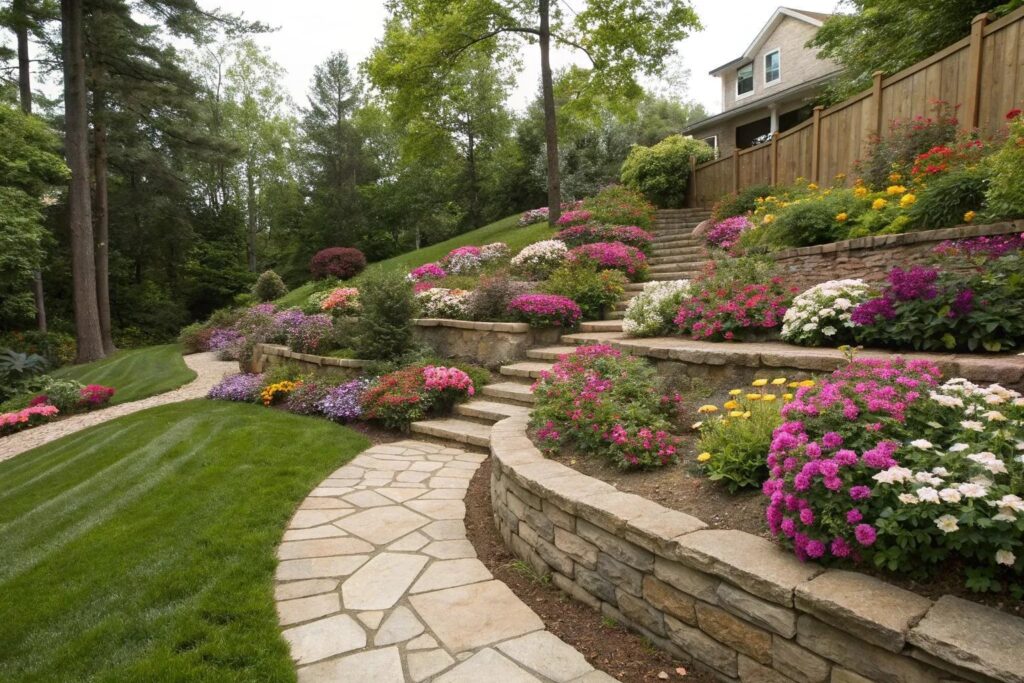
Terraced retaining walls are especially useful because they divide a steep slope into smaller landscaped sections.
Improving Curb Appeal
An attractive retaining wall can make a property’s landscaping appear more organized and complete.
Textured concrete blocks, curved wall designs, matching caps, and thoughtfully selected plants all contribute to a cohesive exterior.
The key is choosing materials that complement the home’s architecture and surrounding landscape.
Popular Retaining Wall Systems From CornerStone
CornerStone Wall Solutions offers several retaining wall systems suited to different landscaping and engineering applications. Understanding their features can help homeowners, contractors, and designers make informed decisions.
CornerStone 100: A Versatile Retaining Wall Block
CornerStone 100 is one of the company’s most versatile retaining wall products.
Its hollow-core construction reduces the amount of concrete in each block compared with a comparable solid unit, making handling and installation more convenient.
The system includes SecureLug connections that help align and interlock blocks during construction.
Key benefits include:
- Hollow-core construction for easier handling.
- Interlocking connections that support block alignment.
- Flexibility for straight and curved walls.
- Compatibility with appropriately designed reinforced-soil applications.
- Attractive textured surfaces for landscape projects.
CornerStone 100 can be used for residential landscaping as well as larger engineered structures, subject to suitable design and site conditions.
CornerStone®
+1
CornerStone Positive: For Demanding Engineering Projects
Some retaining wall projects experience more demanding loading or environmental conditions than ordinary residential landscaping walls.
CornerStone Positive is designed for applications requiring higher connection strength.
The manufacturer’s identified applications include highway and railway embankments, critical water-related projects, and locations where seismic performance is an important consideration.
These applications require project-specific engineering and careful review of geotechnical conditions.
MiraStone: A Different Design Profile
MiraStone provides another option within the CornerStone product family.
According to the manufacturer, MiraStone shares the width and depth of CornerStone 100 but uses a shorter, six-inch-high unit rather than an eight-inch-high unit.
This difference creates another design option for landscape professionals seeking particular wall proportions and visual patterns.
ingo Plantable Wall: Combining Structure and Greenery
For projects where vegetation is part of the design, the ingo Plantable Wall system offers a distinctive approach.
Its design incorporates planting pockets that can help integrate greenery into a retaining wall.
This creates opportunities for landscaped terraces, planted wall faces, and outdoor spaces that combine constructed surfaces with natural elements.
Plant selection still matters. Climate, sunlight, irrigation, root development, and ongoing maintenance should all be considered.
Benefits of Choosing CornerStone Wall Solutions
Selecting retaining wall blocks involves more than comparing appearance. Construction efficiency, design flexibility, and long-term performance are equally important.
Efficient Installation
CornerStone develops its products with installers in mind.
Features such as hollow cores, removable wings, and interlocking SecureLugs can make block handling and alignment more convenient.
The manufacturer reports that a small crew can install approximately 200–600 square feet of wall units in a day under suitable conditions. Actual productivity depends on access, wall geometry, crew experience, equipment, and site preparation.
CornerStone®
+1
Flexible Landscaping Designs
CornerStone wall blocks can support various layouts, including straight walls, curved garden boundaries, terraced slopes, and decorative landscape features.
Different block profiles also help designers coordinate retaining walls with walkways, planting areas, and other hardscape elements.
Durable Concrete Construction
Concrete retaining wall blocks are designed for outdoor use, but their long-term performance depends on more than the blocks themselves.
Proper foundations, drainage, reinforcement, compaction, and site-specific engineering are essential.
In colder areas of the United States, freeze-thaw exposure and water management deserve particular attention.
A properly selected and installed system can provide a durable landscape structure without requiring frequent reconstruction.
Creative Retaining Wall Design Ideas for Homes
Retaining walls can solve practical landscape problems while becoming an attractive part of outdoor living spaces.
Terraced Gardens for Sloped Backyards

Terraced retaining walls create multiple planting levels along a hillside.
Each level can accommodate flowers, ornamental grasses, shrubs, or other plants appropriate for the local climate.
This approach works particularly well for properties where a single tall wall would look overwhelming.
Terrace spacing, soil loads, and the influence of one wall on another must be considered during design.
Raised Patios and Outdoor Seating Areas
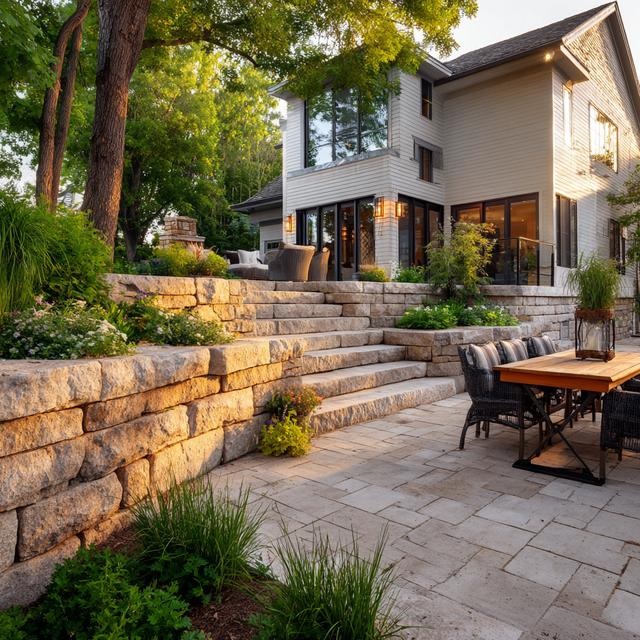
A retaining wall can help create a level platform for an outdoor seating area.
Homeowners might use this space for patio furniture, a dining table, or a gathering area overlooking their garden.
When retaining walls support patios or other loaded surfaces, designers must account for those additional loads.
Curved Walls Along Walkways
Curved retaining walls can create a softer appearance than continuous straight boundaries.
They can follow garden pathways, frame landscape beds, or help connect different outdoor zones.
Matching capstones and coordinated paving materials can make the finished landscape feel intentional.
Decorative Walls With Integrated Lighting
Low-voltage landscape lighting can highlight the texture of concrete blocks while illuminating pathways and steps.
Lighting should be planned before construction so wiring and fixtures can be incorporated safely without compromising the wall system.
How to Plan a Retaining Wall Installation
Even the best retaining wall blocks need proper installation to perform as intended.
CornerStone provides detailed retaining wall installation resources covering important construction stages.
Step 1: Evaluate the Property
Start by identifying the wall’s intended purpose.
Determine whether it will support a garden, level a slope, protect against erosion, or accommodate a driveway or other structure.
Evaluate soil conditions, drainage, wall height, nearby utilities, and any additional loads.
Check local permit requirements before excavation. Engineering requirements vary by jurisdiction and may apply even to relatively short walls with unusual loading conditions.
Step 2: Prepare a Stable Foundation
The base supports the wall and helps prevent uneven settlement.
Construction typically involves excavation, placement of suitable base material, and compaction according to the approved installation design.
The first course must be properly positioned and leveled because errors at the bottom can affect the entire wall.
Step 3: Install Blocks and Drainage
Blocks are placed according to the manufacturer’s instructions, maintaining the required alignment and setback.
Appropriate drainage aggregate, drainage pipes, outlets, and backfill materials help prevent unwanted water pressure behind the structure.
Water management is particularly important in areas experiencing heavy rainfall, snowmelt, or poorly draining soils.
Step 4: Add Reinforcement When Required
Some walls require geogrid reinforcement that extends into the soil behind the blocks.
Its required length, spacing, and strength depend on the engineered design.
Geogrid should never be omitted simply because a wall appears stable during construction.
Step 5: Finish and Inspect the Wall
After completing the specified block courses, install the finishing caps and complete the surrounding grading.
Make sure surface water drains away from the wall as intended.
Inspect the finished work for alignment, drainage functionality, and compliance with the approved plans.
For structural or complex retaining walls, use qualified professionals rather than relying on general DIY instructions.
Residential vs. Commercial Retaining Walls
Residential and commercial retaining walls may use similar materials, but their design requirements can differ considerably.
| Feature | Residential Projects | Commercial Projects |
|---|---|---|
| Typical purpose | Gardens, patios, slopes | Site development, parking, infrastructure |
| Design considerations | Appearance and outdoor usability | Structural loads, access, drainage |
| Project scale | Often smaller | May involve extensive wall areas |
| Engineering | Depends on local rules and conditions | Frequently essential |
| Installation | DIY or professional, as appropriate | Generally professional contractors |
Regardless of project size, safety and site suitability should always guide the design.
How Much Do CornerStone Retaining Walls Cost?
Retaining wall costs in the United States vary considerably, so a universal price per square foot may be misleading.
The final cost depends on block selection, wall height, total area, soil conditions, excavation, drainage, access, reinforcement, and local labor rates.
Taller walls, difficult excavation, and complex engineering can substantially increase project expenses.
For more accurate budgeting, contact a local CornerStone supplier or contractor and request a project-specific estimate.
You can also explore the manufacturer’s retaining wall design and estimation resources to help plan material requirements.
Remember that the lowest initial bid isn’t necessarily the best value. Drainage, engineering, and proper construction are essential parts of a successful project.
Frequently Asked Questions About CornerStone Wall Solutions
Are CornerStone retaining wall blocks suitable for residential landscaping?
Yes. CornerStone offers products designed for residential landscaping, including systems suitable for garden walls, terraces, and other outdoor improvements. Product selection should reflect site conditions and wall design requirements.
Can CornerStone retaining walls be used for commercial projects?
Yes. The company’s product range includes systems used in commercial developments and engineered soil-retention applications. Larger projects require appropriate technical design and professional installation.
Do retaining walls need drainage?
Yes. Proper water management is essential for retaining wall performance. Drainage requirements depend on the system, soil conditions, groundwater, and project design.
Can homeowners install retaining wall blocks themselves?
Some small, uncomplicated landscaping walls may be appropriate for experienced DIY homeowners. Taller walls, loaded walls, difficult soils, and complex slopes should involve qualified professionals.
How long can a concrete retaining wall last?
A properly designed and constructed concrete retaining wall can provide decades of service. Its actual lifespan depends on material quality, weather exposure, drainage, ground movement, maintenance, and construction quality.
Where can I find CornerStone retaining wall products in the USA?
Visit the official CornerStone Wall Solutions website and use its supplier resources or contact options to identify product availability in your area.
Conclusion: Build Stronger and More Attractive Outdoor Spaces
A retaining wall should do more than hold soil in place. It should improve the way a property looks, functions, and handles changes in elevation.
CornerStone Wall Solutions offers a range of concrete retaining wall systems designed for residential landscaping, commercial development, and specialized engineering applications.
From versatile hollow-core blocks to plantable wall systems, its products give designers and contractors several ways to address challenging terrain while creating attractive outdoor spaces.
Before starting your project, assess the property, choose an appropriate retaining wall system, and prioritize proper engineering and drainage.
Explore CornerStone Wall Solutions to discover available products, installation resources, and supplier information for your next retaining wall project.

Written by Twastia Editorial Team
Twastia Editorial Team shares practical insights about website design, SEO services, Google Ads, content marketing, social media, conversion rate optimization, and digital marketing strategy.
Last updated: Oct 9, 2026
Related posts from Twastia
Explore more useful articles from twastia.com about digital marketing, SEO, websites, ads, content, and growth strategy.