Indispensable Building Materials: Complete Guide for 2026
Every successful construction project begins with the right materials. Whether you are building a new house, renovating an existing property, […]

Every successful construction project begins with the right materials. Whether you are building a new house, renovating an existing property, or managing a commercial construction project, material selection directly affects structural stability, durability, energy efficiency, and long-term maintenance.
Choosing indispensable building materials involves more than purchasing concrete, steel, wood, and bricks. Modern construction also depends on waterproofing membranes, insulation, drainage products, structural connectors, and specialized hardware that protect buildings from environmental damage.
For homeowners, contractors, and construction professionals across the United States, understanding these materials can help prevent costly mistakes and improve project planning.
This guide explores essential construction supplies, their applications, quality considerations, and practical purchasing tips for residential and commercial projects.
What Are Indispensable Building Materials?
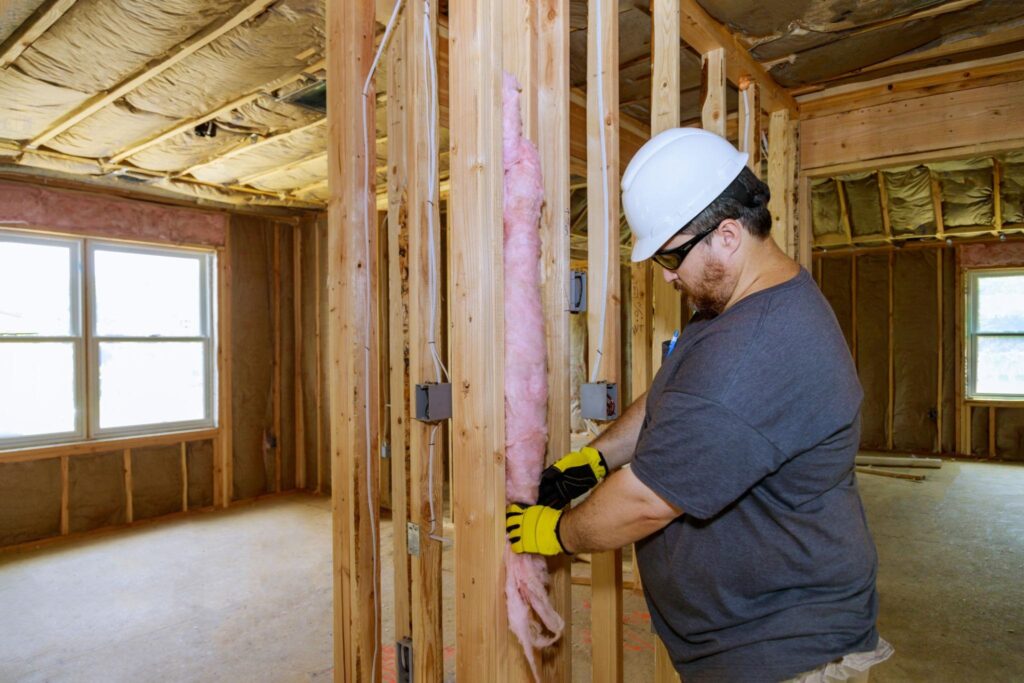
Indispensable building materials are the essential products required to construct, protect, and maintain a building.
These materials perform different functions, including supporting structural loads, preventing moisture penetration, insulating interior spaces, and connecting construction components.
Some materials form the building’s primary structure, while others provide protective layers that improve long-term performance.
For example, concrete establishes strong foundations, framing materials support walls, and flashing helps prevent water from entering vulnerable roof connections.
Understanding how these products work together is important because even high-quality materials can perform poorly when installed incorrectly.
1. Concrete: The Foundation of Strong Construction
Concrete remains one of the most widely used construction materials in the United States.
It is commonly used for foundations, driveways, sidewalks, patios, floors, and structural components.
Concrete consists primarily of cement, water, and aggregates such as sand and gravel.
When properly proportioned, placed, and cured, it develops the compressive strength needed for many building applications.
Types of Concrete Products
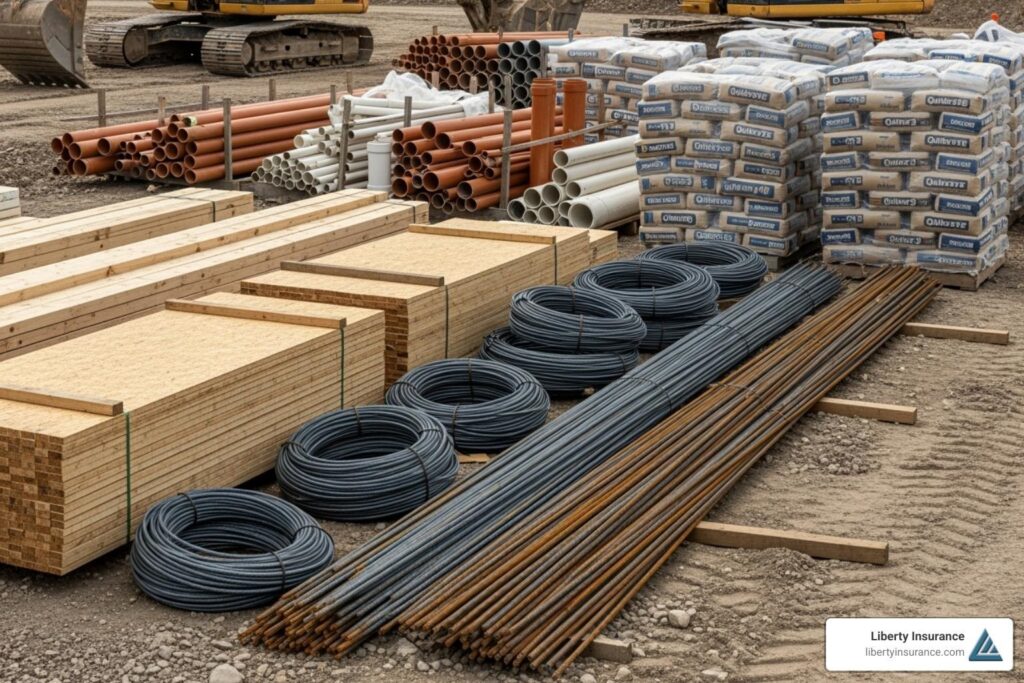
Ready-mix concrete is frequently used for larger construction projects because it arrives prepared for placement.
Bagged concrete mixes are convenient for smaller applications such as fence posts, steps, and minor repairs.
Specialized products, including fast-setting concrete and non-shrink grout, serve particular construction requirements.
The correct product depends on the required strength, site conditions, and intended application.
2. Structural Steel and Reinforcement Materials
Steel plays a significant role in residential, commercial, and industrial construction.
Its strength and versatility make it useful for beams, columns, reinforcing bars, connectors, and structural framing.
Structural Steel Beams
Steel beams transfer loads and support building structures.
They are commonly used in commercial buildings, large residential openings, and projects requiring substantial structural spans.
Beam selection must follow engineering calculations rather than visual estimates.
Reinforcing Steel
Reinforcing bars, commonly called rebar, improve the tensile performance of concrete structures.
They are frequently used in foundations, slabs, retaining walls, and other reinforced concrete components.
Correct bar placement, spacing, and concrete cover are essential.
Galvanized Steel Products
Galvanized steel has a protective zinc coating that helps reduce corrosion.
It is commonly used for structural connectors, selected roofing components, and exterior construction hardware.
The appropriate coating depends on environmental exposure and applicable specifications.
3. Lumber and Engineered Wood Products
Wood remains an important material for American residential construction.
Dimensional lumber is commonly used for wall framing, roof structures, and floor systems.
Engineered wood products, such as plywood, oriented strand board, and laminated structural members, provide additional design options.
Choosing Suitable Wood Materials
Structural lumber should have appropriate grading and dimensions for its intended purpose.
Moisture content, treatment requirements, and environmental exposure also matter.
Pressure-treated lumber may be required for certain outdoor or ground-contact applications.
Never substitute decorative wood products for structural materials without confirming their suitability.
4. Bricks, Masonry Blocks, and Wall Connections
Masonry materials are valued for durability, architectural appearance, and their role in certain structural systems.
Common options include clay bricks, concrete masonry units, and manufactured stone products.
Masonry Wall Ties
Wall ties connect appropriate masonry components to supporting structures or adjacent masonry walls.
Correctly specified ties help maintain the intended relationship between building components.
Material selection, spacing, corrosion resistance, and installation must follow approved construction details.
Masonry Support Components
Lintels help support masonry above openings such as doors and windows.
They may be manufactured from steel, concrete, or other engineered materials.
A properly designed lintel distributes loads around the opening and reduces the risk of structural damage.
5. Roofing Materials and Waterproofing Flashing
A roof protects the building against rain, snow, sunlight, and changing temperatures.
Common roofing materials include asphalt shingles, metal panels, tiles, and specialized membrane systems.
However, roof coverings alone do not provide complete moisture protection.
Why Roof Flashing Matters
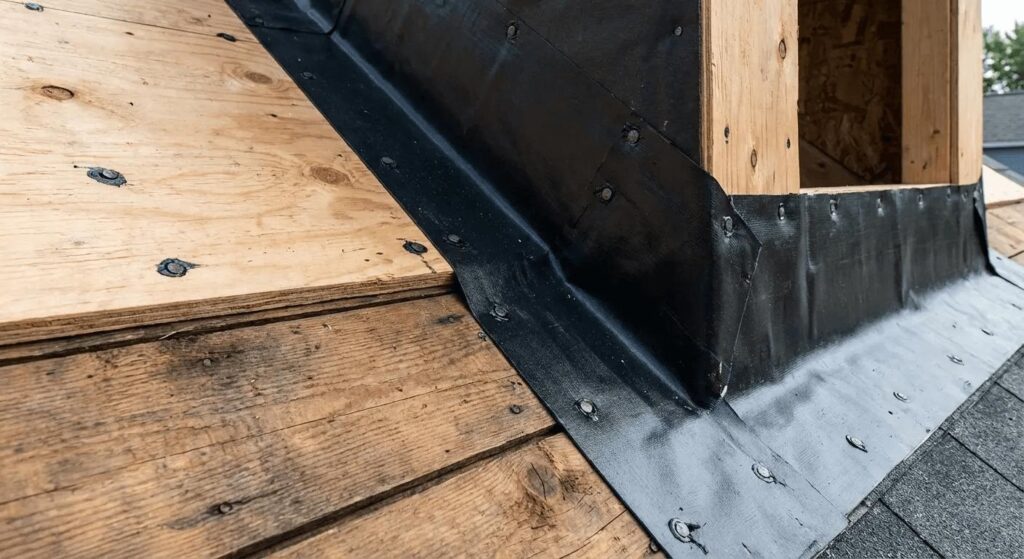
Flashing directs water away from vulnerable locations such as chimneys, skylights, roof valleys, and wall intersections.
Metal flashing and compatible waterproof membranes are commonly used in these areas.
The U.S. Department of Energy’s Building America guidance emphasizes integrating flashing with surrounding drainage layers so water moves outward rather than entering the building.
Choose flashing products based on the roofing system, material compatibility, and installation requirements.
6. Damp-Proofing and Moisture Protection Materials
Water intrusion can damage walls, insulation, floors, and structural components.
Moisture-control products are therefore among the most indispensable building materials.
Damp-Proof Courses
Damp-proof courses help limit moisture movement through masonry and other applicable building assemblies.
Materials may include plastic membranes, metal barriers, and specialized flexible products.
Their placement depends on the wall design and relevant construction standards.
Waterproofing Membranes
Waterproofing membranes help protect selected areas against liquid water penetration.
They are commonly used in foundations, roofing assemblies, balconies, and wet areas.
Waterproofing and damp-proofing are not identical, so the selected product must match the expected exposure.
Weather-Resistant Barriers
Exterior wall assemblies may include weather-resistant barriers behind siding.
These layers help manage water that passes the outer cladding.
Correct overlaps and integration with windows, doors, and flashing are essential.
7. Insulation Materials for Energy-Efficient Buildings
Insulation helps reduce unwanted heat transfer through walls, roofs, and floors.
Common options include fiberglass, mineral wool, cellulose, and rigid foam insulation.
Understanding R-Value
R-value measures resistance to heat flow.
Higher values generally indicate greater thermal resistance.
However, required insulation performance depends on the building assembly, local climate, and applicable energy codes.
For example, insulation needs in Minnesota can differ substantially from those in Florida.
The U.S. Department of Energy recommends evaluating insulation alongside air sealing and other building-envelope improvements.
Proper installation is critical because gaps, compression, and thermal bridges can reduce effectiveness.
8. Fasteners, Anchors, and Construction Hardware
Small components often have a major impact on building reliability.
Construction hardware includes screws, nails, bolts, anchors, brackets, straps, and connectors.
Each product must be suitable for the materials being joined and the loads involved.
Structural Connections
Approved framing connectors and anchors help transfer loads between building components.
Fastener length, diameter, coating, and installation pattern should match the manufacturer’s specifications.
Using an incorrect fastener can compromise a connection even when the surrounding structural materials are strong.
For exterior applications, select hardware with corrosion resistance appropriate to the exposure conditions.
9. Expansion Joints and Concrete Accessories
Concrete expands and contracts in response to temperature changes and other conditions.
It also shrinks as it cures.
Expansion and isolation joint materials allow planned movement between selected surfaces and adjoining structures.
Common products include compressible joint fillers, foam strips, and specialized movement-joint systems.
Control joints serve a related but different purpose by encouraging shrinkage cracking to occur at planned locations.
Contractors should follow approved joint layouts and construction specifications rather than treating all joint materials as interchangeable.
10. Drainage Materials and Water Management
Effective drainage is essential for foundations, landscaping, paved surfaces, and other construction areas.
Drainage systems may include pipes, channels, grates, catch basins, and appropriate aggregate.
Their purpose is to collect and direct water toward approved discharge locations.
Poor drainage can contribute to soil erosion, standing water, and moisture problems around foundations.
Choosing Drainage Products
Drainage components should be selected according to expected water flow, installation depth, soil conditions, and traffic loads.
A channel drain suitable for pedestrian areas may not be rated for vehicle traffic.
Check manufacturer specifications and local stormwater requirements before installation.
11. Exploring Building Supplies From Vincent Buda & Co.
For an example of a specialized construction supplier, explore these indispensable building materials through Vincent Buda & Co.
The Australian company has supplied construction products since 1957.
Its building-supplies collection includes roof flashing, waterproofing membranes, damp-proofing products, masonry wall ties, metal slip joints, concrete expansion joint materials, temporary safety handrails, and steel decking formwork.
These examples demonstrate how specialized construction accessories support structural connections, weather protection, and site operations.
Vincent Buda & Co. is based in Sydney, Australia. American buyers should verify international availability, shipping arrangements, and compliance with U.S. building standards before considering these products for local projects.
12. How to Choose Quality Building Materials
Purchasing construction supplies should begin with a clear understanding of project specifications.
Check Material Standards
Review applicable ASTM standards, engineering specifications, and manufacturer documentation.
Materials should meet the requirements adopted by the relevant local building authority.
Evaluate Environmental Conditions
Consider exposure to moisture, freezing temperatures, high winds, and corrosive environments.
The correct product for a dry interior wall may not be appropriate for exterior construction.
Compare Technical Specifications
Examine product dimensions, ratings, compatible materials, installation procedures, and warranty conditions.
Avoid selecting materials based entirely on appearance or advertised price.
Choose Dependable Suppliers
Established suppliers should provide clear product descriptions, technical information, and reliable ordering procedures.
Confirm product availability and delivery requirements before scheduling construction work.
13. Budgeting for Construction Materials
Material expenses can represent a substantial portion of a construction project’s total budget.
Successful planning requires more than comparing individual product prices.
Consider delivery charges, transportation distances, storage needs, labor requirements, and expected waste.
Bulk purchasing may reduce unit costs, but ordering excessive materials can create unnecessary expenses.
Prepare a detailed materials list using approved drawings and contractor estimates.
Include a reasonable allowance for damaged products and unavoidable offcuts.
For expensive structural materials, request written quotations that clearly identify grades, dimensions, quantities, and delivery conditions.
14. Sustainable and Environmentally Responsible Construction
Sustainable construction involves selecting durable materials, reducing unnecessary waste, and considering long-term environmental impacts.
Recycled steel, reclaimed wood, and certain recycled aggregates may be suitable for approved applications.
The U.S. Environmental Protection Agency encourages reducing, reusing, and recycling construction and demolition materials.
However, reused products must still meet applicable safety and performance requirements.
Designing with standard material dimensions can also reduce offcuts and unnecessary disposal.
Long-lasting products that require fewer replacements may provide meaningful benefits over the life of a building.
15. Construction Safety and Proper Material Handling
Construction materials can present serious hazards when handled incorrectly.
Heavy steel components, concrete products, sharp metal edges, and powered cutting tools require appropriate precautions.
Cutting concrete, brick, and masonry can also release respirable crystalline silica.
The Occupational Safety and Health Administration requires applicable employers to control worker exposure through approved methods.
Projects involving structural alterations, electrical work, roofing at height, or specialized waterproofing should be handled by qualified professionals.
Always follow manufacturer instructions and relevant safety regulations.
Common Mistakes to Avoid When Buying Building Materials
One frequent mistake is purchasing inexpensive products without checking required specifications.
Another is ordering incompatible materials, such as unsuitable flashing metals or incorrect structural fasteners.
Builders may also underestimate drainage requirements or overlook waterproofing details.
For homeowners, attempting major structural modifications without professional guidance can create significant risks.
Careful planning, verified specifications, and appropriate installation practices help prevent avoidable problems.
Frequently Asked Questions About Indispensable Building Materials
What Are the Most Important Building Materials for a House?
Common essentials include concrete, structural lumber, steel, masonry products, roofing materials, insulation, waterproofing barriers, fasteners, and drainage components.
The exact requirements depend on the building design and construction method.
Which Building Materials Are the Most Durable?
Concrete, steel, masonry, and certain engineered materials can provide long service lives when properly specified and installed.
Durability also depends on environmental exposure, maintenance, and construction quality.
What Materials Help Prevent Water Damage?
Roof flashing, weather-resistant barriers, waterproof membranes, drainage pipes, and correctly installed damp-proofing components help manage moisture.
An effective system depends on proper integration between these products.
Are Expensive Building Materials Always Better?
No. Higher prices do not automatically guarantee better performance.
Choose materials that satisfy engineering requirements, environmental conditions, and relevant building standards.
Can Recycled Materials Be Used in Construction?
Yes. Recycled steel, reclaimed wood, and approved recycled aggregates can be suitable for certain applications.
However, structural performance, contamination risks, and local requirements must be verified.
How Can I Reduce Construction Material Costs?
Create accurate quantity estimates, compare supplier quotations, minimize waste, and coordinate deliveries.
Avoid compromising essential structural or safety specifications to reduce expenses.
Where Can I Buy Reliable Building Materials in the USA?
American homeowners and contractors can purchase building supplies through established local construction suppliers, lumberyards, masonry distributors, and specialized building product dealers.
Confirm technical specifications, product certifications, and local code compliance before purchasing.
Conclusion: Build Stronger Projects With the Right Materials
Selecting indispensable building materials is an essential step toward successful residential and commercial construction.
Concrete, steel, lumber, insulation, waterproofing products, and structural hardware all contribute to a building’s durability and performance.
However, quality materials must also be appropriately designed, installed, and maintained.
By understanding product applications, comparing technical specifications, and working with qualified construction professionals, homeowners and builders can make better purchasing decisions.
Investing in the right materials from the beginning helps create safer, more efficient, and longer-lasting buildings while reducing avoidable maintenance and repair costs.

Written by Twastia Editorial Team
Twastia Editorial Team shares practical insights about website design, SEO services, Google Ads, content marketing, social media, conversion rate optimization, and digital marketing strategy.
Last updated: Oct 14, 2026
Related posts from Twastia
Explore more useful articles from twastia.com about digital marketing, SEO, websites, ads, content, and growth strategy.