The Complete Guide to IP Intercoms: Benefits & Features
For decades, traditional analog intercom systems served as the baseline standard for screening visitors at residential apartment buildings, corporate headquarters, […]
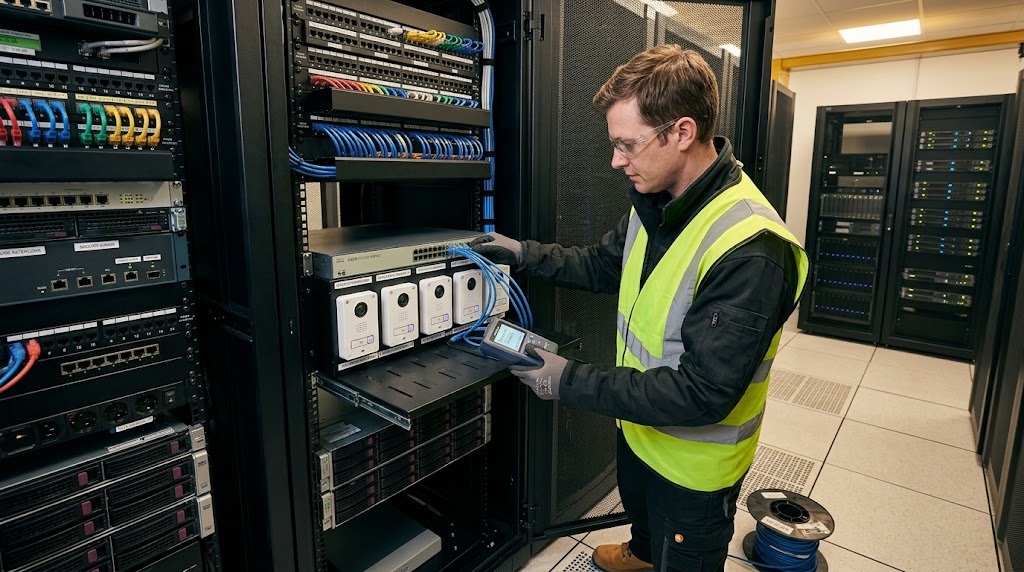
For decades, traditional analog intercom systems served as the baseline standard for screening visitors at residential apartment buildings, corporate headquarters, and secure industrial sites. These legacy systems relied on complex webs of dedicated copper wiring, bulky interior handsets, and fuzzy audio feeds that frequently buzzed, crackled, or failed entirely. As technology advanced toward total digital connectivity, property owners and facility managers began seeking solutions that offered greater reliability, flexibility, and high-definition clarity.
Today, the security landscape has shifted dramatically toward IP intercoms, transforming how we manage access control, communicate across large campuses, and protect our properties. Operating over standard internet protocols—either through Ethernet cables with Power over Ethernet (PoE) or secure Wi-Fi networks—these advanced digital systems convert audio and video signals into data packets. This shift allows security feeds to travel seamlessly across local networks or the cloud, empowering users to monitor entrances and grant access from anywhere in the world using a smartphone, tablet, or dedicated desktop console.
Understanding How IP Intercom Technology Works
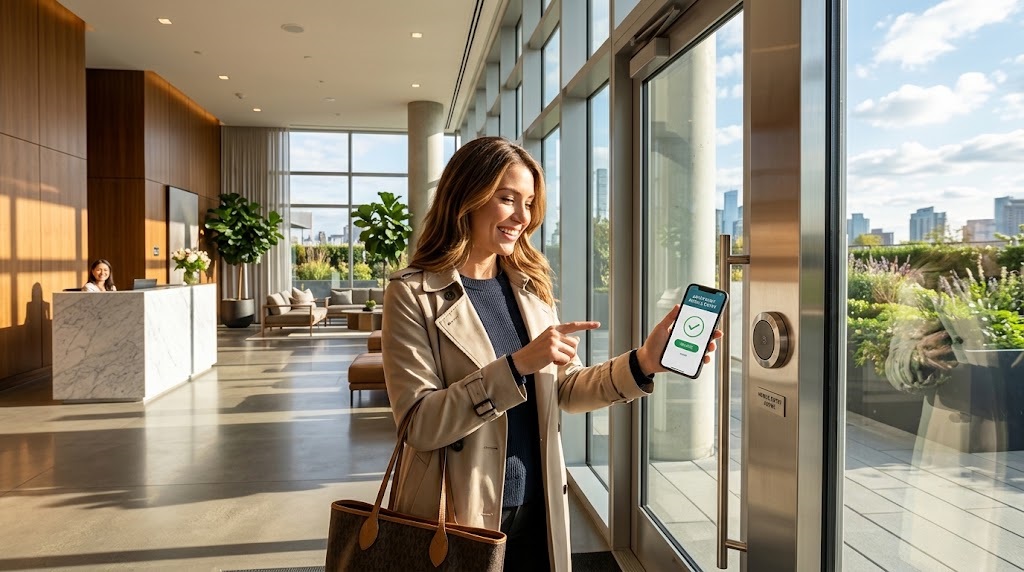
To appreciate the massive leap forward that network-based entry systems represent, it helps to examine their underlying architecture. Unlike older analog setups that required dedicated wiring runs between every single apartment or office and the front door, IP intercoms leverage existing local area network (LAN) infrastructure.
Each outdoor door station or indoor monitor acts as an independent network device equipped with its own IP address. When a visitor presses the call button, the station initiates a digital data stream using Session Initiation Protocol (SIP)—the same robust communication standard widely used in modern VoIP business phone systems. This digital foundation eliminates the distance limitations and signal degradation inherent in vintage analog wiring, delivering crystal-clear high-definition video and noise-cancelled audio across single-family homes, multi-tenant apartment complexes, and expansive corporate office parks.
Key Benefits of Upgrading to Network Intercom Systems
Transitioning from legacy analog buzzers to advanced network communication platforms offers a multitude of operational, safety, and financial advantages for property owners across the United States.
Enhanced Video and Audio Clarity
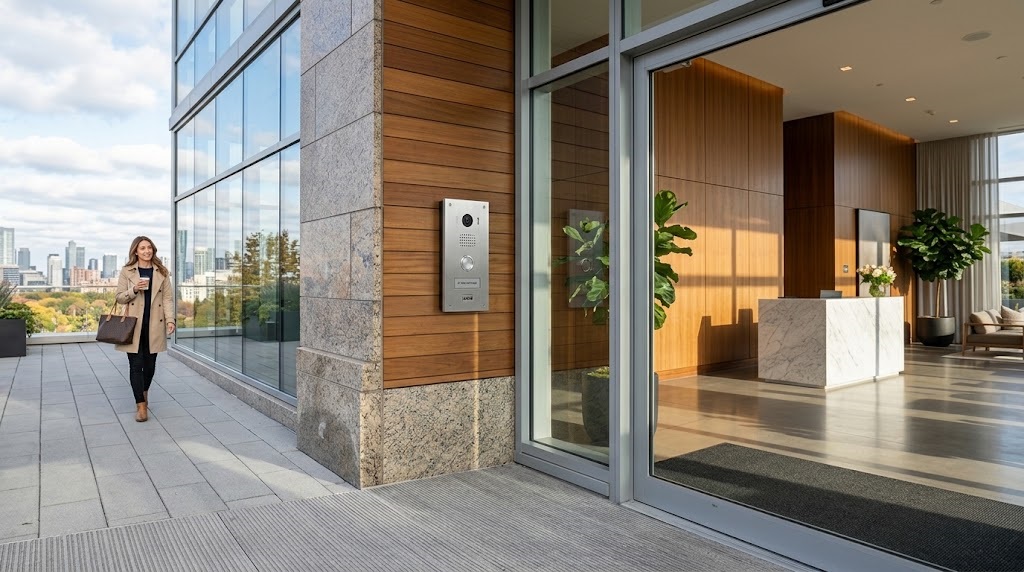
Modern door stations feature high-definition wide-angle cameras with infrared night vision and advanced wide dynamic range (WDR) processing. This ensures that property managers or homeowners can clearly identify visitors even in blinding direct sunlight or pitch-black darkness. Coupled with digital noise suppression, conversations remain crisp and understandable regardless of street noise.
Remote Access and Mobile Integration
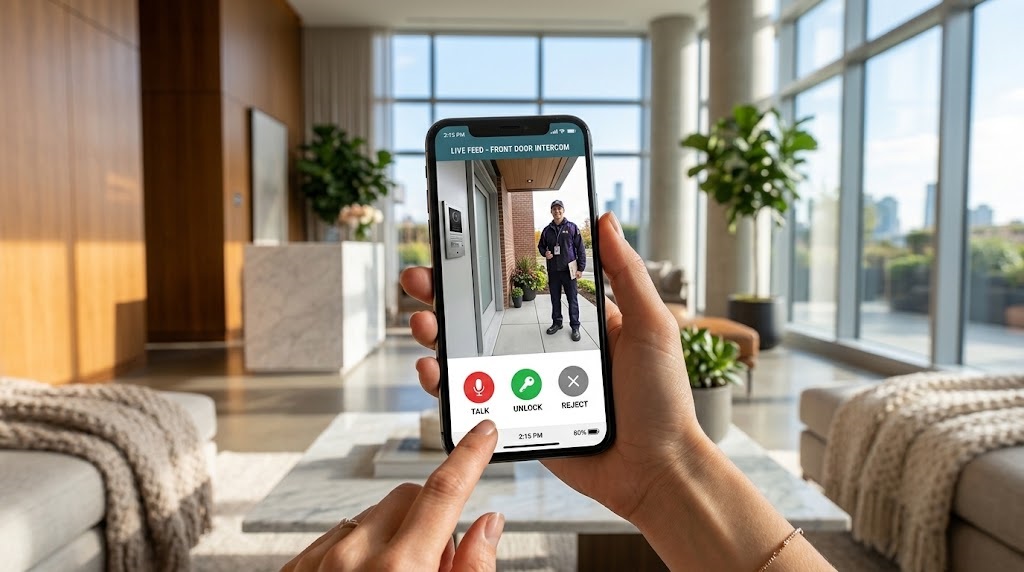
One of the most transformative features of contemporary communication networks is smartphone connectivity. When you are away from your office desk or traveling across the country, a visitor call to your front door can be automatically forwarded to your mobile app. You can view a live video feed, converse with the courier, and remotely unlock the entrance with a single tap on your screen.
Scalability and Flexible Infrastructure
Expanding a traditional analog intercom system can be a logistical nightmare requiring extensive rewiring. In contrast, network-based units scale effortlessly. Adding a new entryway, a secondary gate, or an additional office monitor simply involves plugging a new device into your existing network switch or configuring it via secure Wi-Fi.
Advanced Features Driving Modern Adoption
The capabilities of network-based communication hardware extend far beyond basic two-way audio conversations. Today’s devices incorporate cutting-edge technological innovations designed to streamline daily operations and fortify perimeter defense.
Contactless and Biometric Access Control
Modern entry stations offer multiple credential options that eliminate traditional metal keys and worn-out plastic keycards. Residents and employees can gain entry using contactless smartphone credentials, encrypted Bluetooth tokens, customizable PIN codes, temporary QR codes for guests, or on-device facial recognition algorithms. These contactless options drastically improve traffic flow while enhancing security.
Seamless IoT and Security System Integration
A standalone security device has limited utility in a modern smart building. Modern entry solutions integrate effortlessly with broader physical security ecosystems. They can link directly with closed-circuit television (CCTV) cameras to record simultaneous multi-angle footage of an event, synchronize with electronic smart locks, tie into elevator access control floors, and connect with automated property management software.
Cloud-Based Management Dashboards
Cloud administration portals allow facility managers to update resident directories, issue or revoke digital visitor passes, and review comprehensive access audit logs from a centralized web browser. This eliminates the need for manual on-site programming and reduces administrative overhead for commercial landlords and HOA boards.
Key Considerations When Selecting a System
Choosing the ideal communication network for your property requires careful evaluation of technical requirements, physical layout, and user demographics.
- Network Infrastructure: Assess whether your building supports Power over Ethernet (PoE) cabling, which supplies both stable data transmission and electrical power through a single cable, or if you require reliable enterprise-grade Wi-Fi with backup cellular connectivity.
- Weather and Vandal Resistance: Exterior door stations deployed in regions with harsh winters or extreme coastal humidity must feature high IP (Ingress Protection) weather-proofing ratings and IK-rated vandal-resistant metallic housings.
- User Interface Design: Ensure that the touchscreen display or button layout is intuitive for all demographics, including elderly residents or infrequent visitors who may struggle with overly complex digital menus.
Frequently Asked Questions
What is the main difference between traditional and IP intercoms?
Traditional intercoms use dedicated analog copper wiring to connect audio and video between fixed stations, limiting functionality and distance. IP intercoms utilize digital internet protocols over Ethernet or Wi-Fi, allowing for high-definition video, cloud management, and remote smartphone integration.
Can IP intercoms be installed in older buildings without new wiring?
Yes. While Cat6 Ethernet cabling with PoE is the gold standard for new construction, many manufacturers offer 2-wire adapters that allow older apartment buildings to upgrade to high-speed digital network stations by utilizing existing legacy wires.
Are network-based door stations secure against cyber threats?
Reputable manufacturers build robust cybersecurity measures directly into their hardware, utilizing encrypted communication protocols (such as secure SIP), TLS data encryption, secure boot processes, and regular firmware updates to protect against unauthorized network intrusion.
Can I answer my door intercom when I am not at home?
Absolutely. When integrated with a mobile application, calls placed to your door station can be forwarded directly to your smartphone anywhere with an internet connection, allowing you to see, speak with, and let in visitors remotely.
Do these systems require ongoing monthly subscription fees?
It depends on the architecture. Local-server and peer-to-peer setups often operate without recurring fees. However, cloud-managed systems typically involve a modest software-as-a-service (SaaS) subscription fee that covers cloud storage, remote dashboard access, and continuous software updates.
How do delivery drivers use smart building entry systems?
Property managers can generate temporary, single-use PIN codes or time-restricted digital QR passes for delivery couriers. This allows couriers to securely drop packages inside the lobby while preventing unauthorized long-term access to the building.
Can door stations integrate with existing security cameras?
Yes. Most professional-grade network entry stations allow you to link auxiliary CCTV security cameras into the video feed, or let security teams view the door camera stream directly from their central video management software (VMS).
Conclusion
As modern buildings become increasingly intelligent, connected, and security-conscious, legacy communication infrastructure is rapidly becoming obsolete. Investing in professional IP intercoms empowers property owners, commercial enterprises, and residential communities with unmatched flexibility, crystal-clear high-definition audio-visual monitoring, and seamless remote management capabilities. By embracing these advanced digital networks, you future-proof your property, streamline daily visitor traffic, and elevate safety standards to meet the demands of modern connected living.

Written by Twastia Editorial Team
Twastia Editorial Team shares practical insights about website design, SEO services, Google Ads, content marketing, social media, conversion rate optimization, and digital marketing strategy.
Last updated: Oct 18, 2026
Related posts from Twastia
Explore more useful articles from twastia.com about digital marketing, SEO, websites, ads, content, and growth strategy.