Technical Translations: A Complete Guide to Accurate and Professional Documentation
As businesses expand into international markets, clear and accurate communication becomes essential for product development, regulatory compliance, customer support, and […]
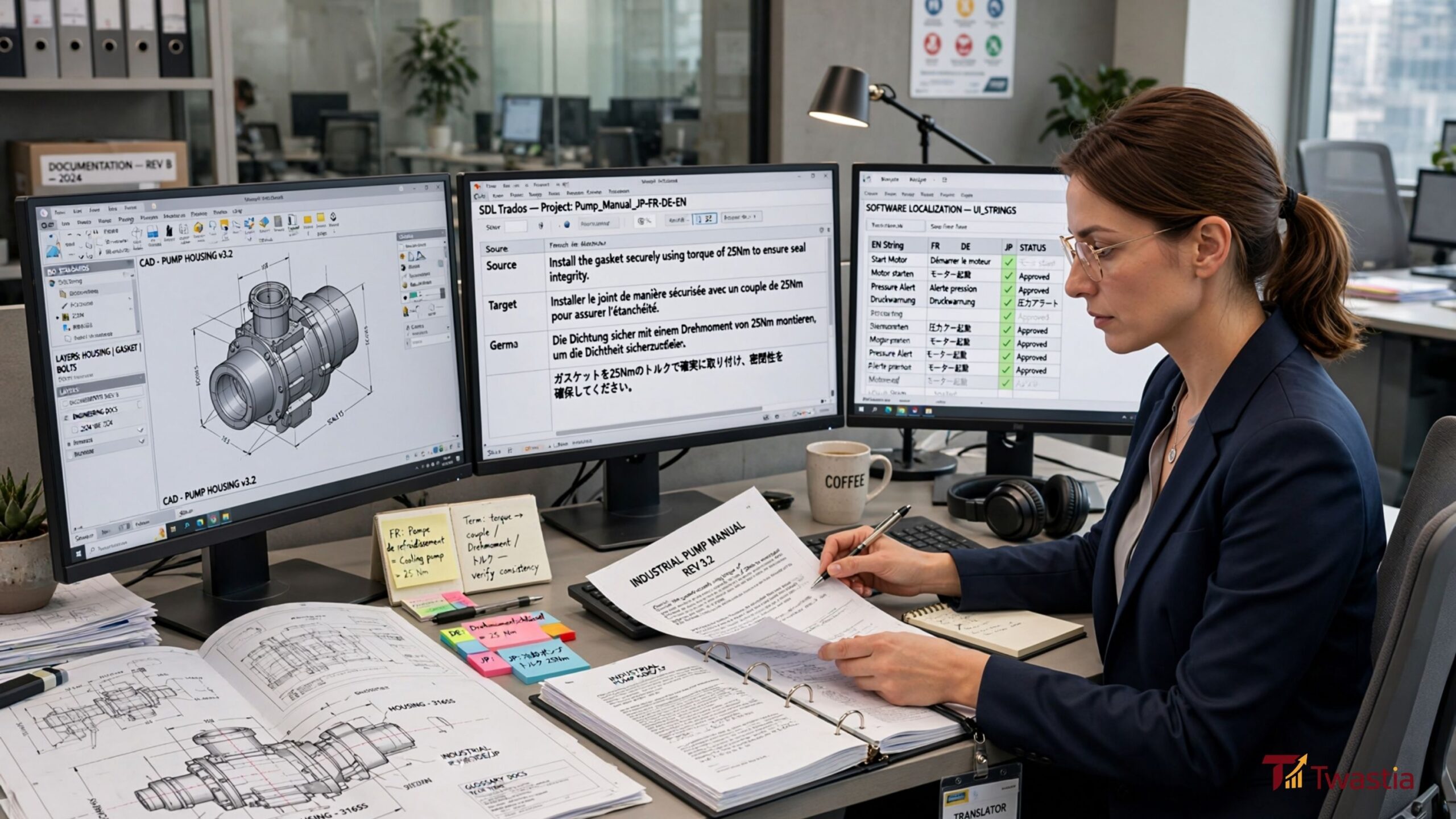
As businesses expand into international markets, clear and accurate communication becomes essential for product development, regulatory compliance, customer support, and operational efficiency. Technical translations play a critical role in ensuring that complex information is communicated precisely across different languages while preserving the original meaning, terminology, and technical accuracy.
From engineering manuals and software documentation to medical devices and manufacturing instructions, technical content often contains specialized terminology that requires subject-matter expertise in addition to language proficiency. This guide explains what technical translations are, why they matter, the industries that rely on them, and how to choose the right translation provider.
What Are Technical Translations?
Technical translations involve converting specialized technical documents from one language into another while maintaining accuracy, consistency, and industry-specific terminology.
Unlike general translation, technical translations require an understanding of both the source language and the technical subject matter.
Common documents include:
- User manuals
- Engineering specifications
- Product documentation
- Installation guides
- Safety instructions
- Technical reports
- Standard operating procedures (SOPs)
- Software documentation
Accuracy is essential because even small translation errors may affect usability, safety, or regulatory compliance.
Why Technical Translations Matter
Technical documents often support product manufacturing, installation, maintenance, and safe operation.
Professional technical translations help organizations:
- Improve international communication
- Support regulatory compliance
- Reduce misunderstandings
- Enhance customer experience
- Maintain terminology consistency
- Facilitate global business expansion
High-quality translations contribute to more effective communication across multilingual teams and international markets.
Types of Technical Translations
Engineering Documentation
Engineering companies frequently translate:
- Technical drawings
- Product specifications
- Manufacturing procedures
- Equipment manuals
- Quality documentation
Industry knowledge helps ensure terminology remains accurate throughout the translation process.
Software Documentation
Software companies often require translations for:
- User interfaces
- User guides
- Installation instructions
- Release notes
- Knowledge base articles
Localization may also involve adapting content for regional language preferences.
Manufacturing Documents
Manufacturing organizations commonly translate:
- Assembly instructions
- Maintenance procedures
- Equipment documentation
- Safety manuals
- Process documentation
Consistent terminology supports operational efficiency across global facilities.
Medical Device Documentation
Medical device manufacturers may require translations for:
- User instructions
- Product labeling
- Clinical documentation
- Technical specifications
- Regulatory submissions
These translations should align with applicable regulatory requirements and quality standards.
Industries That Rely on Technical Translations
Automotive
Automotive companies often translate:
- Repair manuals
- Technical specifications
- Service documentation
- Diagnostic procedures
Accurate documentation supports technicians, manufacturers, and customers worldwide.
Information Technology
Technology companies translate documentation for:
- Software platforms
- APIs
- Cloud services
- Cybersecurity products
- Enterprise applications
Clear documentation improves user adoption and technical support.
Energy
Energy companies use technical translations for:
- Equipment documentation
- Safety procedures
- Environmental reports
- Operational manuals
These documents often require specialized terminology.
Aerospace
Aerospace organizations frequently translate maintenance manuals, engineering documentation, technical standards, and operational procedures.
Precision is particularly important in highly regulated industries.
Challenges in Technical Translations
Technical content presents unique translation challenges.
These include:
Specialized Terminology
Many industries use highly specific vocabulary that may not have direct equivalents across languages.
Terminology management helps maintain consistency throughout projects.
Regulatory Requirements
Certain industries require translated documents to comply with national or international regulations.
Requirements vary depending on the product, market, and jurisdiction.
Formatting
Technical documents often include:
- Tables
- Diagrams
- CAD drawings
- Charts
- Engineering symbols
Translation providers should preserve formatting while ensuring readability.
Consistency
Large projects may involve thousands of pages.
Translation memory tools and terminology databases help maintain consistency across documents.
Best Practices for Technical Translations
Work with Subject-Matter Experts
Technical translators should have expertise in the relevant industry as well as language proficiency.
Subject knowledge helps reduce terminology errors.
Use Terminology Management
Creating approved glossaries ensures consistent translation of technical terms across multiple documents.
Review and Quality Assurance
Professional quality assurance may include:
- Translation review
- Technical verification
- Editing
- Proofreading
- Final formatting checks
Multi-stage review processes help improve accuracy.
Keep Source Documents Clear
Well-written source documents reduce ambiguity and simplify the translation process.
Clear writing benefits both translators and end users.
Benefits of Professional Technical Translations
Professional services can provide:
- Greater translation accuracy
- Industry-specific terminology
- Improved document consistency
- Better regulatory readiness
- Enhanced international communication
- More efficient multilingual documentation management
The value of these benefits depends on project requirements and document complexity.
Choosing a Technical Translation Provider
When selecting a provider, consider:
Industry Experience
Choose translators with expertise in your technical field.
Language Coverage
Confirm that the provider supports the required language pairs.
Quality Control
Review the company’s editing, proofreading, and quality assurance processes.
Confidentiality
Technical documentation may contain proprietary information.
Ask about confidentiality agreements and data security practices before sharing sensitive materials.
Technology in Technical Translations
Modern translation workflows often include:
- Translation memory systems
- Terminology databases
- Computer-assisted translation (CAT) tools
- Quality assurance software
- Secure document management
These technologies help improve consistency and efficiency while supporting human translators.
Future Trends in Technical Translations
Several trends continue shaping the industry:
- AI-assisted translation workflows
- Increased multilingual product documentation
- Cloud-based collaboration
- Real-time terminology management
- Greater localization requirements
- Enhanced quality assurance technologies
Human expertise remains essential for reviewing technical accuracy, especially in specialized or regulated industries.
Frequently Asked Questions
1. What are technical translations?
Technical translations involve translating specialized documents such as engineering manuals, software documentation, medical device instructions, and technical specifications while preserving accuracy and industry terminology.
2. Why are technical translations important?
They help organizations communicate technical information accurately across languages, supporting safety, compliance, and international business operations.
3. Which industries require technical translations?
Common industries include engineering, manufacturing, healthcare, automotive, aerospace, information technology, telecommunications, and energy.
4. What makes technical translations different from general translations?
Technical translations require subject-matter expertise, specialized terminology management, and careful attention to technical accuracy in addition to language skills.
5. Can machine translation replace professional technical translations?
Machine translation may assist with certain workflows, but human review remains essential for technical accuracy, terminology consistency, and quality assurance.
6. How do I choose a technical translation provider?
Evaluate industry expertise, language capabilities, quality assurance processes, confidentiality practices, and experience with similar technical documentation.
Conclusion
Technical translations are essential for organizations operating across international markets where accuracy, consistency, and specialized terminology directly affect product quality, safety, and compliance. Whether translating engineering manuals, software documentation, manufacturing procedures, or medical device instructions, professional technical translations help ensure that complex information remains clear and reliable for global audiences. By working with experienced translators, maintaining consistent terminology, and following structured quality assurance processes, businesses can support effective multilingual communication and strengthen their international operations.

Written by Twastia Editorial Team
Twastia Editorial Team shares practical insights about website design, SEO services, Google Ads, content marketing, social media, conversion rate optimization, and digital marketing strategy.
Last updated: Jul 18, 2026
Related posts from Twastia
Explore more useful articles from twastia.com about digital marketing, SEO, websites, ads, content, and growth strategy.