The Ultimate Guide to Composite Decking Boards: Benefits & Selection
Building a deck is one of the most exciting home improvement projects an American homeowner can undertake. An outdoor deck […]
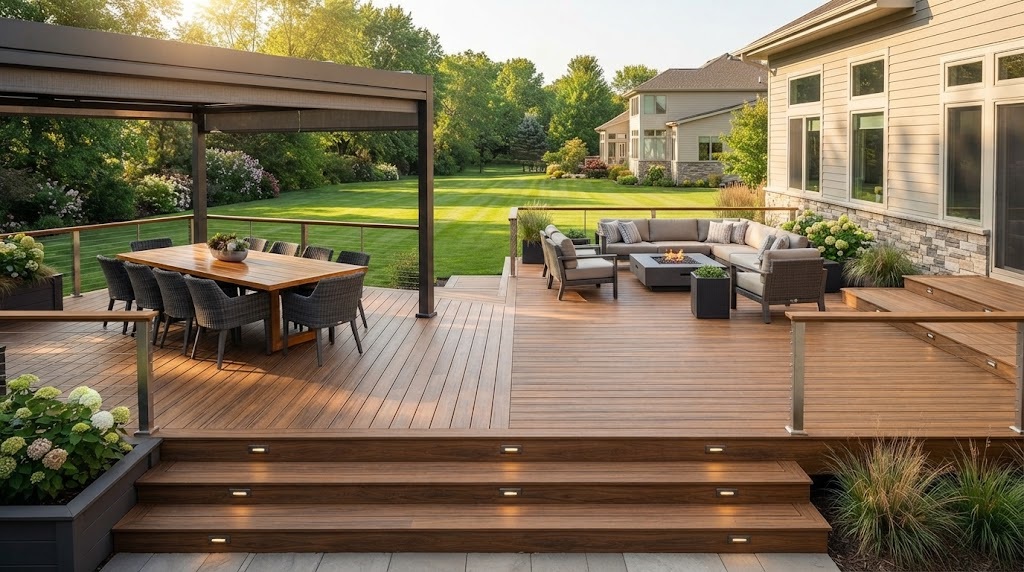
Building a deck is one of the most exciting home improvement projects an American homeowner can undertake. An outdoor deck serves as a seamless extension of your living space, creating a welcoming sanctuary for summer barbecues, morning coffee, and weekend relaxation. For decades, natural
pressure-treated wood, cedar, and redwood were the undisputed standards for residential deck construction. However, traditional timber comes with a steep price tag in terms of ongoing labor, seasonal maintenance, splinters, and weather-related decay. Today, modern homeowners across the United States are turning to high-performance composite decking boards as the ultimate low-maintenance alternative.
The outdoor living industry has experienced a massive shift as manufacturing technology continues to advance. Today’s composite decking boards deliver the rich warmth and organic texture of authentic wood without any of the frustrating headaches associated with natural lumber. Whether you are building a brand-new outdoor platform from scratch or replacing old, rotting wooden planks on an existing deck frame, selecting
composite decking boards is an investment that yields incredible durability, enhanced safety, and long-term financial value. In this comprehensive guide, we will explore everything you need to know about this revolutionary material, including how it is made, its core advantages over traditional wood, capped versus uncapped varieties, key selection criteria, installation best practices, and expert maintenance tips.
What Are Composite Decking Boards and How Are They Manufactured?

To understand why synthetic materials have taken the outdoor construction market by storm, it helps to examine how composite decking boards are produced. Unlike solid wood planks harvested directly from trees, composite lumber is an engineered building material created through a meticulous manufacturing process known as extrusion.
Most quality composite decking boards are crafted from an equal mix of recycled wood fibers and recycled plastics. The wood component usually consists of reclaimed sawdust, wood flour, or wood chips sourced from furniture factories and lumber mills. The plastic component typically utilizes recycled polyethylene (found in milk jugs, grocery bags, and plastic wrap) or polypropylene. These raw materials are thoroughly blended together with specialized binding agents, UV inhibitors, and color pigments. The mixture is heated until molten and then forced through high-pressure shaping dies to form solid or hollow planks.
Because these engineered planks reuse waste products, composite decking boards represent an exceptionally eco-friendly building choice. In fact, a single average-sized composite deck keeps tens of thousands of single-use plastic bags and hundreds of pounds of wood waste out of landfills. The resulting material combines the structural stiffness and aesthetic warmth of real wood with the incredible moisture resistance and durability of synthetic polymers.
The Top Benefits of Choosing Composite Decking Boards Over Wood
When planning an outdoor living project, homeowners frequently evaluate the upfront price tag of pressure-treated pine against engineered materials. While real wood may appear cheaper during initial material purchases, choosing composite decking boards delivers overwhelming long-term benefits that far outweigh the initial cost difference.
Unmatched Durability and Weather Resistance
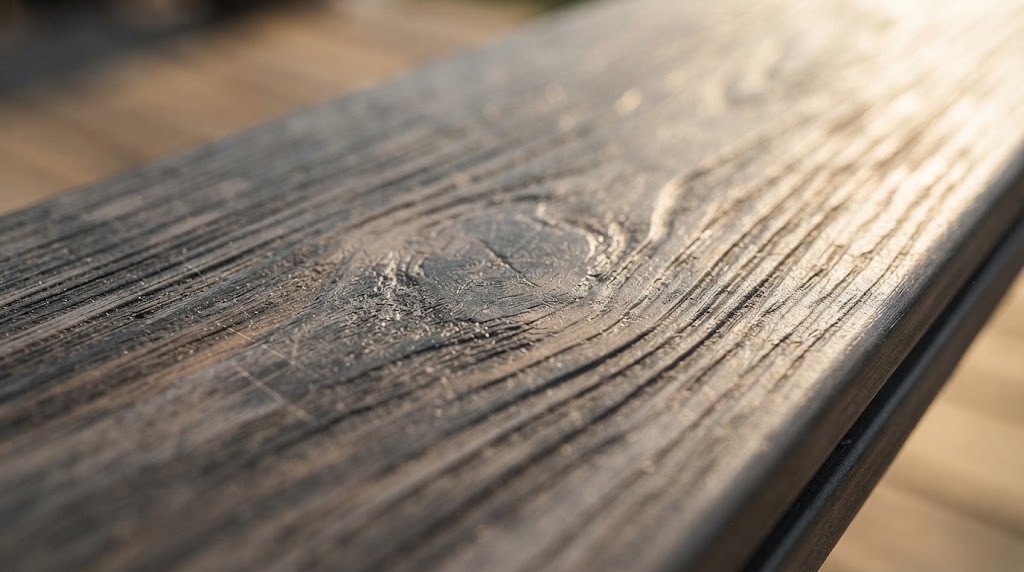
Traditional wood is naturally porous, making it highly susceptible to environmental degradation. Moisture from rain, humidity, and melting snow penetrates wood fibers, causing boards to swell, warp, crack, and rot over time. Furthermore, sunlight breaks down lignin in natural wood, leading to fading and splintering that can injure bare feet. In contrast, high-grade composite decking boards are completely impervious to rot, insect infestations, and fungal decay. They are engineered to withstand extreme temperature fluctuations across American climates—from scorching summer heatwaves in the Sunbelt to freezing ice storms in the Northeast.
Low Maintenance and Long-Term Savings
Perhaps the most compelling reason homeowners choose composite decking boards is the liberation from endless maintenance routines. A traditional wooden deck requires rigorous stripping, sanding, staining, and sealing every one to two years to prevent structural decay and maintain its visual appeal. This seasonal chore consumes valuable weekends and hundreds of dollars in chemicals and stains over the lifetime of the structure.
Conversely, composite decking boards never require sanding, staining, sealing, or painting. Cleaning requires nothing more than an occasional wash with mild soap, warm water, and a soft-bristle brush or gentle pressure washer. Over a ten- to fifteen-year span, the time and money saved on maintenance products makes composite materials significantly more cost-effective than real wood.
Enhanced Safety and Barefoot Comfort
If you have children or pets running around your backyard, safety is a paramount concern. Older wooden decks frequently develop sharp splinters, exposed nail heads, and slippery algae growth. Because composite decking boards are manufactured with consistent density and smooth edges, they will never splinter, check, or split. Many manufacturers also incorporate advanced textured wood-grain finishes that provide superior slip resistance, even when the deck surface is wet around swimming pools or hot tubs.
Capped vs. Uncapped Composite Decking Boards: What You Need to Know
As you browse materials at local building supply centers or consult with deck builders, you will quickly discover two distinct categories: capped and uncapped options. Understanding the technical differences between these variations is vital for selecting the right composite decking boards for your home budget and climate.
Uncapped Composite Options
First-generation composite lumber was primarily uncapped. This means the mixture of wood fiber and plastic is exposed directly to the elements on all four sides of the plank. While uncapped composite decking boards are more affordable and far more durable than pressure-treated wood, they remain slightly porous. Over time, uncapped boards can absorb moisture, making them somewhat susceptible to surface staining from spilled wine, grease from backyard grills, or mold growth in damp, shaded environments.
Capped Composite Options
Modern premium decks almost exclusively utilize capped materials. Capped composite decking boards feature the same strong recycled core, but they are enclosed in an ultra-durable, non-porous polymer shell on three or four sides. This exterior protective cap acts as a shield against water penetration, UV fading, deep scratches, and stubborn stains. If you spill barbecue sauce, red wine, or sunscreen on capped composite decking boards, you can simply wipe it clean without leaving a permanent mark. Furthermore, capped varieties feature advanced multi-tonal color blending that mimics the rich visual depth of exotic hardwoods like Ipe, Teak, and Tigerwood.
How to Choose the Right Composite Decking Boards for Your Home
Selecting the best material for your backyard depends on several factors, including architectural style, regional weather, functional usage, and personal budget constraints.
Aesthetic Styles, Colors, and Wood Grain Textures
Modern manufacturers offer an incredible range of design choices. You can choose from crisp, solid earth tones (such as classic gray, warm cedar, or rich chocolate brown) or sophisticated multi-tonal boards featuring realistic variegated grain patterns. When picking a color for your composite decking boards, consider the exterior color scheme of your house, your surrounding landscape, and sunlight exposure. Lighter grey and tan shades reflect sunlight and stay cooler underfoot in hot climates, whereas deep dark espresso colors absorb heat and create a cozy, dramatic aesthetic.
Core Structure: Hollow vs. Solid Planks
Engineered planks come in two primary physical profiles:
- Hollow Decking Boards: These planks feature hollow chambers running down the length of the board. They are lightweight, easier to transport, and less expensive, making them popular for budget-conscious DIYers. However, they are less rigid and require specialized end caps or picture-framing borders to hide the exposed hollow internal channels at the deck edges.
- Solid Decking Boards: Solid composite decking boards look, feel, and sound like real hardwood planks underfoot. They offer maximum structural rigidity, superior screw-holding power, and can be routed along the edges for hidden fastener systems. They are the preferred choice for high-traffic commercial installations and premium residential decks.
Installation Best Practices for Composite Decking Boards
While working with synthetic materials is similar to traditional carpentry, installing composite decking boards requires specific techniques to ensure structural longevity and satisfy manufacturer warranty terms.
Proper Joist Spacing and Ventilation
Because engineered composites are more flexible than solid dimensional lumber, strict adherence to joist spacing guidelines is mandatory. Standard residential installations generally require joists to be spaced 16 inches on center for straight board layouts, or 12 inches on center if the planks are installed diagonally at a 45-degree angle. Additionally, adequate airflow and sub-deck drainage must be provided to prevent trapped moisture under the deck framing.
Managing Thermal Expansion and Hidden Fasteners
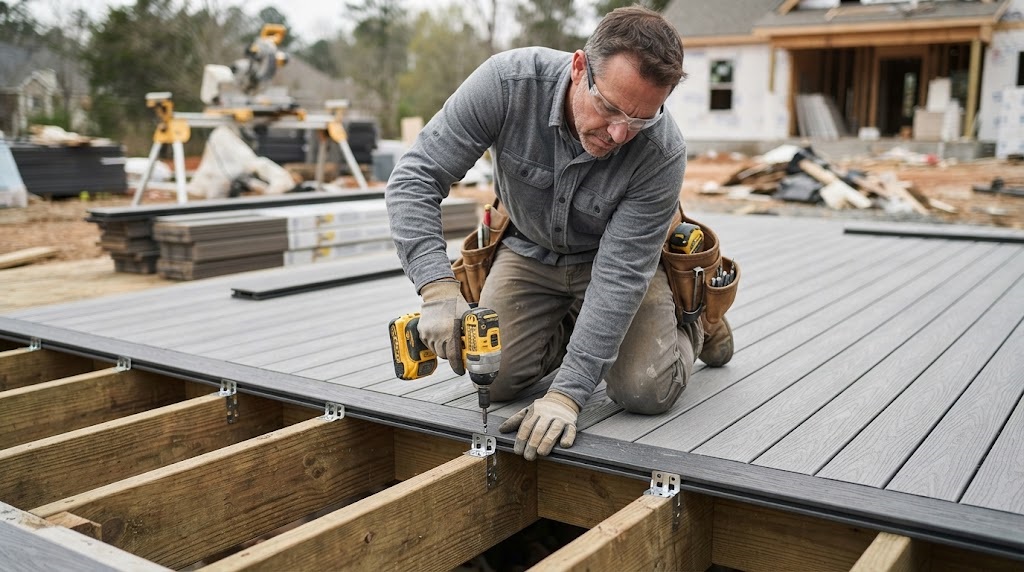
Unlike wood, which swells and shrinks primarily across its width due to moisture, synthetic materials experience thermal expansion and contraction along their length due to temperature fluctuations. When installing composite decking boards, precise end-to-end gapping must be maintained according to ambient installation temperatures. To achieve a clean, modern finish without visible screw heads, professional builders utilize hidden fastener clips that slide into grooved board edges, creating uniform gaps while securing the planks invisibly to the underlying joists.
Frequently Asked Questions
Do composite decking boards get too hot in the summer sun?
Like any material exposed to direct sunlight, synthetic decking absorbs heat. Darker colors will feel warmer underfoot than lighter shades. However, modern manufacturers utilize advanced heat-reflective technology in their protective caps to reduce surface temperatures significantly. Choosing lighter colors like light gray or sandy beige keeps composite decking boards comfortable even on sunny summer afternoons.
How do you clean and care for composite decking boards?
Basic maintenance is incredibly simple. Sweep away loose leaves and dirt regularly using a soft broom. For general cleaning, scrub the surface with warm water, mild dish soap, and a soft-bristle brush, then rinse thoroughly with a garden hose. Avoid using harsh chemical solvents, bleach, or sharp metal shovels for snow removal.
Are composite decking boards more expensive than pressure-treated wood?
Upfront, synthetic composite materials cost more per linear foot than basic pressure-treated pine lumber. However, when you factor in the recurring costs of wood stains, sealers, sanders, labor, and premature board replacement over a 10- to 20-year period, composite decking boards prove to be significantly cheaper over the overall lifespan of your deck.
Can you paint or stain composite decking boards?
Capped composite materials are non-porous and engineered specifically to repel liquids, meaning paint or wood stain will not adhere properly to the protective shell and will peel away quickly. Because composite materials come factory-finished in fade-resistant colors, painting or staining is neither necessary nor recommended.
How long do composite decking boards typically last?
High-quality synthetic decking is built for decades of outdoor exposure. Most reputable manufacturers offer comprehensive 25- to 50-year limited residential warranties that cover material defects, structural integrity, fading, and staining.
Can I install composite decking boards over an existing wooden deck frame?
Yes, this popular renovation method is known as “deck re-skinning.” As long as the underlying wooden joists, posts, and ledgers are structurally sound, free of rot, and correctly spaced (typically 16 inches on center), you can remove the old wooden floorboards and install new composite decking boards directly onto the existing frame.
Are composite decking boards slippery when wet?
No. High-grade synthetic planks are manufactured with deep, embossed wood-grain textures that provide exceptional traction underfoot. Capped composite materials meet strict slip-resistance standards, making them a safe choice around swimming pools, hot tubs, and stairs.
Conclusion
Upgrading your outdoor living area with high-performance composite decking boards is one of the smartest investments you can make in your home’s functionality, aesthetics, and long-term resale value. By combining recycled wood fibers and durable polymers into an impervious, eco-friendly building material, engineered decking eliminates the exhausting cycle of sanding, staining, and repairing traditional lumber. Whether you prefer the coastal
charm of light grey hues or the rich, sophisticated depth of exotic hardwood finishes, choosing composite decking boards ensures you spend your weekends relaxing and entertaining on your deck rather than maintaining it. Take the first step toward your dream backyard today by exploring color samples, consulting local builders, and planning an outdoor sanctuary built to withstand the test of time.

Written by Twastia Editorial Team
Twastia Editorial Team shares practical insights about website design, SEO services, Google Ads, content marketing, social media, conversion rate optimization, and digital marketing strategy.
Last updated: Oct 18, 2026
Related posts from Twastia
Explore more useful articles from twastia.com about digital marketing, SEO, websites, ads, content, and growth strategy.