Custom Sofa Buying Guide: How a Modular Couch Gives You a Perfect Fit
Most people buy a sofa the way they buy a coat: they find a style they like, check the dimensions […]
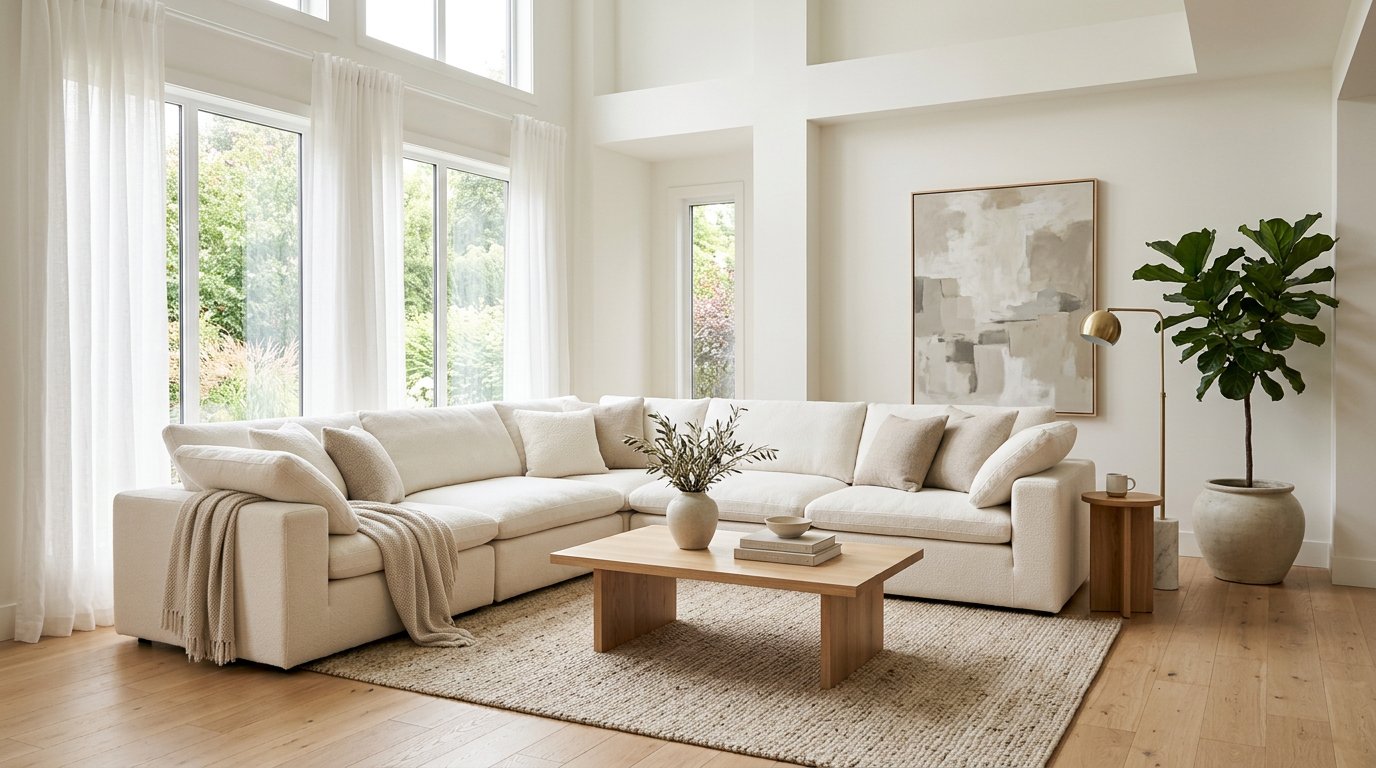
Most people buy a sofa the way they buy a coat: they find a style they like, check the dimensions against a rough mental picture, and hope it works when it arrives. Sometimes it does. Often it does not, and the result is a living room arranged around a piece of furniture rather than a piece of furniture arranged for the room. A custom sofa changes that equation. Instead of choosing from fixed configurations and hoping for the best, you build a sofa around the actual dimensions, traffic flow, and daily habits of your home. This guide explains how modular custom sofas work, what separates a good one from a mediocre one, the decisions that matter most during configuration, and how brands such as Soulfa have made the process approachable enough to do from a phone or a laptop.
What a Custom Sofa Actually Means
The phrase “custom sofa” covers a lot of ground, and it is worth being precise about what it means in practice. At one end of the spectrum is full bespoke upholstery, where every dimension is made to order and the price reflects the labor. At the other end is something more accessible: a modular system in which a sofa is assembled from individual pieces, each chosen to create the exact configuration a room needs.
Modular design has become the dominant approach to custom sofas for a simple reason: it delivers genuine customisation without the bespoke price tag or the months-long wait. Because the pieces are standardised, they can be manufactured efficiently; because they are modular, they can be arranged in nearly unlimited ways. The buyer gets the fit of a made-to-order piece with the convenience of a catalog purchase.
This modular approach is the one worth understanding deeply, because it is where most of the value in modern custom sofas now lives.
How a Modular Cube System Works
A modular sofa is built from a small set of component types that combine to form larger configurations. The system is conceptually simple, but the flexibility it creates is considerable.
The Building Blocks
Most modular systems are built around three or four component types. The armless cube is the basic seat unit, with no arms, so it can sit in the middle of a run or at the end of one. The corner cube turns a straight sofa into an L-shaped sectional, creating the turn that wraps around a room. The ottoman is a backless, armless cube that can serve as a footrest, an extension of the seating surface, or a standalone piece. Some systems add arm pieces and backrest variations, but the core trio of armless, corner, and ottoman is enough to build almost anything.
Why Depth Is the First Big Decision
The single most consequential choice in a modular sofa is depth, because it determines the character of the entire piece. A shallower seat, in the range of 38 inches, suits upright sitting, conversation, and rooms where floor space is at a premium. A deeper seat, in the range of 45 inches, creates the lounging, curl-up feel that defines a “cloud couch.” Many buyers do not realise how much this one decision shapes the sofa until they sit in both, which is why reputable brands encourage a side-by-side comparison before committing.
Configurations That Grow With You
The overlooked advantage of modular design is that the sofa is not a fixed object. A configuration can start as a two-cube loveseat and grow into a full sectional over time, or be rearranged after a move. The same pieces that form an L-shaped sofa in one home can become a long straight run or a facing pair in another. For renters, growing families, and anyone who has ever bought a sofa that fit one apartment and not the next, this reusability is a genuine economic advantage, not just a design feature.
The Decisions That Define a Good Custom Sofa
Configuration is only part of the picture. The choices beneath the cushions determine whether the sofa is a pleasure for a decade or a disappointment in two years.
Fabric: The Decision You Will Live With Most
Fabric is the most visible decision and the one most tied to daily life. The key questions are practical: Is the fabric easy to clean? Does it resist stains? Will it hold up to children, pets, and everyday wear? Many modern modular brands now use performance fabrics engineered to be stain-resistant and washable, which addresses the most common regret in sofa ownership.
Colour and texture are the aesthetic half of the same decision. Light neutrals such as white, sand, and natural linen brighten a room and suit airy, coastal, or minimalist interiors, while charcoal, espresso, and black velvet create depth and hide wear more gracefully. Velvet and leather options add a different tactile character entirely. The right approach is to separate the two questions: first confirm the fabric performs the way you need it to, then choose the colour that completes the room.
Fill and Comfort
The difference between a sofa that looks plush and one that actually is plush comes down to the fill and the suspension beneath it. A cloud-style sofa uses deep, soft cushioning to create the sinking, enveloping comfort it is named for, and the quality of that cushioning determines how long the comfort lasts. It is worth asking about cushion construction, density, and whether the covers are removable and washable, because those details matter far more in year five than they do on day one.
Frame and Construction
Beneath the cushions, the frame carries everything. Solid joinery, a properly engineered base, and materials that will not warp or creak over time are the difference between a modular sofa that stays aligned and one that develops gaps and squeaks. This is the hardest thing for a buyer to assess online, which is why reviews from owners who have lived with the sofa for years are so valuable.
Planning Your Configuration
Building a custom sofa is a small design exercise, and a few measurements make the difference between a layout that works and one that crowds the room.
Start with the room, not the sofa. Measure the wall, note the doorways and windows, and think about how people actually move through the space. A common mistake is configuring a sofa for the maximum seating a room can technically hold, then discovering the room feels cramped and the traffic flow is broken.
Think about function. A sofa for movie nights and lounging calls for deeper seats and perhaps a longer run. A sofa for conversation and entertaining calls for a more upright depth and a layout that faces the rest of the room. An L-shaped or U-shaped configuration suits open-plan spaces, while a straight run or a loveseat suits smaller or more formal rooms.
Leave room to grow. Because modular pieces are purchased individually, one of the smartest ways to buy is to start with the configuration the space needs today and add cubes as needs change. This also lowers the initial outlay, which makes a higher-quality base more attainable.
The Soulfa Approach to the Custom Sofa
Soulfa is a US-based home brand built around a modular cube system that lets buyers assemble a sofa piece by piece. The company’s custom sofa collection is organised around three components: the Armless Cube, the Corner Cube, and the Ottoman Cube, each sold individually so the layout, proportions, and overall design are entirely the buyer’s choice. Two depths are offered, 38 inches and 45 inches, corresponding to the sitting and lounging experiences described above.
The fabric range is broad, spanning white, champagne velvet, natural linen, fog grey, charcoal, espresso, black velvet, Tulum, and the newer White Sand and White Haven options, along with leather in chestnut and grey. At the time of writing, the Armless Cube starts from approximately $1,890. Soulfa also publishes step-by-step video guides covering depth selection, configuration, and fabric choice, which is a useful starting point for first-time buyers.
Customer reviews on the Soulfa site describe the fabric as washable, non-toxic, stain-resistant, and easy to clean, with several owners noting that sofas have held up well over years of everyday use. A recurring theme in reviews is the responsiveness of the company’s human customer service team, which assists buyers by phone and text through configuration and after-sales questions. As with any significant furniture purchase, confirming current pricing, fabric specifications, and lead times directly with the company before ordering is advisable.
Why This Approach Works for So Many Homes
The appeal of a modular custom sofa is not novelty; it is the resolution of a problem that fixed furniture has never fully solved. Rooms vary enormously, and standardised sofas can only approximate the hundreds of combinations of wall lengths, layouts, and lifestyles that real homes present. Modular design, by contrast, accepts that variety as its premise and turns it into a feature.
There is a practical humility in the approach that also appeals. A modular sofa does not demand that you predict your life five years out. It lets you buy for the room you have, then adapt when the room or the household changes. That flexibility, combined with genuinely customised comfort and appearance, is why the category has grown steadily and why it has become the default answer for anyone who has ever been disappointed by a sofa that almost fit.
Conclusion
A custom sofa is an investment in fit: fit to a room’s dimensions, fit to a household’s habits, and fit to the way a home actually gets lived in. The modular cube systems that now dominate the category make that fit achievable without the cost and wait of traditional bespoke upholstery, and they add a flexibility that fixed furniture cannot match. The keys to buying well are to treat depth and fabric as the decisions they are, to configure from the room outward rather than the sofa inward, and to choose a brand whose construction and customer service you can verify through real owner experiences. For buyers exploring the option, Soulfa’s custom sofa collection offers a straightforward entry point, with individual cubes, two depths, and a wide fabric range that put the design decisions where they belong: in your hands.
Frequently Asked Questions
1. What is a modular custom sofa?
A modular custom sofa is built from individual pieces, such as armless, corner, and ottoman cubes, that combine to create a layout matched to a specific room.
2. How much does a custom sofa cost?
Costs vary by the number of pieces, depth, and fabric, and modular systems let you start small and expand; for example, Soulfa’s Armless Cube starts from about $1,890 at the time of writing.
3. What sofa depth should I choose?
Choose a shallower depth, around 38 inches, for upright sitting, and a deeper depth, around 45 inches, for the lounging feel of a cloud-style couch.
4. Are modular sofas easy to clean?
Many modern modular sofas use stain-resistant, washable performance fabrics with removable covers, which makes them practical for homes with children and pets.
5. Can I expand a modular sofa later?
Yes, because each cube is sold individually, you can add pieces over time or rearrange the same components after a move.
6. What is the difference between a custom sofa and a bespoke sofa?
A custom sofa is typically built from standardised modular components you configure, while a bespoke sofa is made to order from individual measurements, usually at a higher cost.

Written by Twastia Editorial Team
Twastia Editorial Team shares practical insights about website design, SEO services, Google Ads, content marketing, social media, conversion rate optimization, and digital marketing strategy.
Last updated: Aug 13, 2026
Related posts from Twastia
Explore more useful articles from twastia.com about digital marketing, SEO, websites, ads, content, and growth strategy.