Loans for Home Repair: The Ultimate Guide to Financing Your House Upgrades
When researching loans for home repair, U.S. borrowers generally choose between two core financial categories: secured loans and unsecured loans. […]
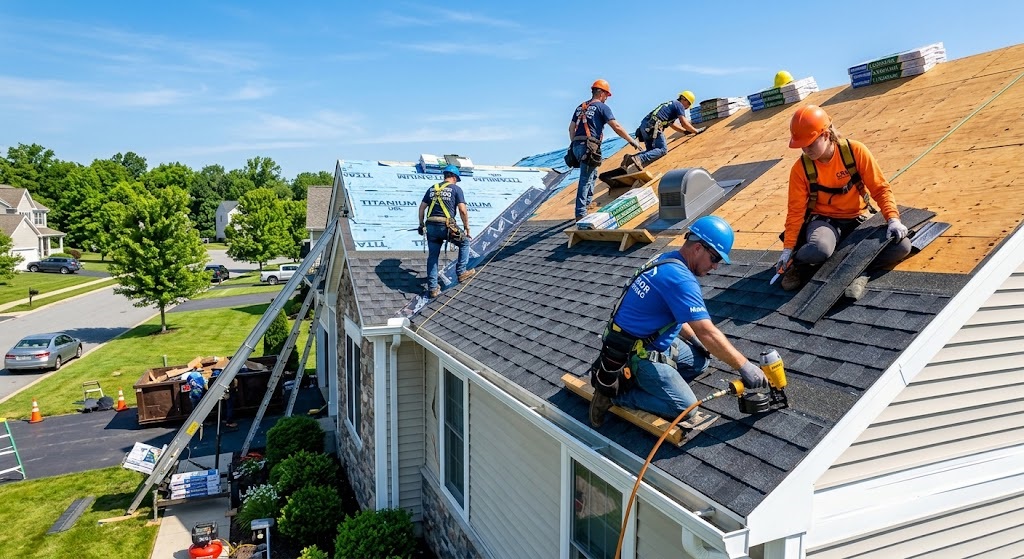
When researching loans for home repair, U.S. borrowers generally choose between two core financial categories: secured loans and unsecured loans. Determining which option fits your situation depends on how much equity you hold in your property, your personal credit standing, and how quickly you need access to capital.
1. Home Equity Loans (Secured)
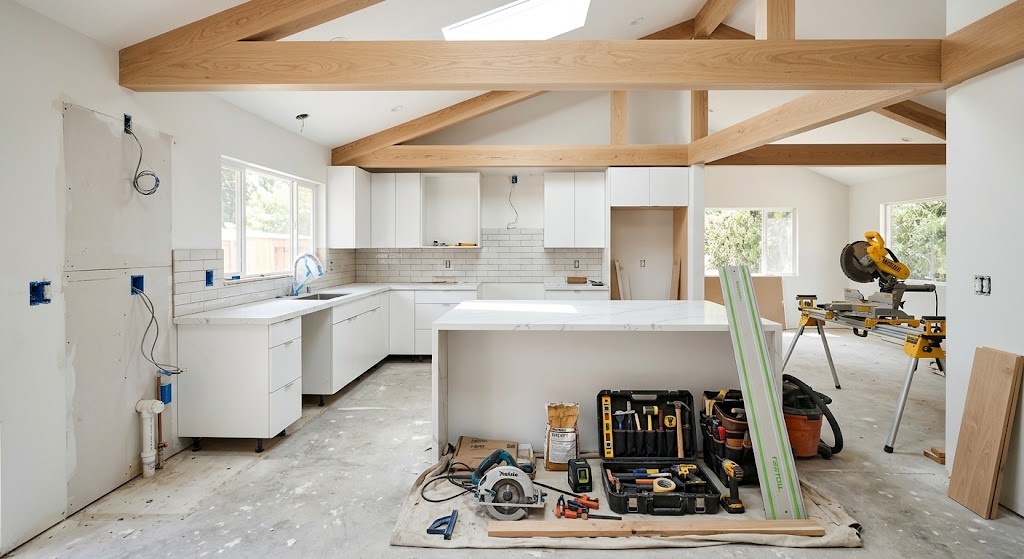
A home equity loan—frequently called a second mortgage—allows you to leverage the equity built up in your house. Equity is the difference between your property’s current fair market value and your remaining primary mortgage balance.
- Mechanics: You receive a single lump-sum payout upfront, which you repay over a fixed term (typically 5 to 30 years) at a fixed interest rate.
- Ideal Usage: Substantial, single-stage repair projects with fixed, well-defined costs, such as full roof replacements, complete HVAC overhauls, or foundation leveling.
- Core Benefit: Predictable monthly payments simplify long-term household budgeting.
2. Home Equity Lines of Credit – HELOCs (Secured)

A HELOC functions similarly to a credit card with a high credit limit, backed by your home equity. Rather than receiving cash all at once, you gain access to a flexible, revolving line of credit.
- Mechanics: HELOCs feature two distinct phases: a draw period (usually 10 years), during which you borrow funds up to your approved limit and make interest-only payments, followed by a repayment period (typically 10 to 20 years), during which you repay both principal and interest.
- Ideal Usage: Multi-stage renovations, ongoing house repairs, or open-ended projects where final expenses remain variable.
- Core Benefit: You pay interest strictly on the capital you withdraw, not the full approved line of credit.
3. Personal Loans for Home Improvement (Unsecured)

Unsecured personal loans require zero property collateral. Lenders evaluate your credit score, verifiable household income, and debt-to-income (DTI) ratio to grant approval.
- Mechanics: You receive fixed lump-sum funding with fixed repayment terms ranging from 12 to 84 months.
- Ideal Usage: Emergency home repairs, smaller cosmetic updates, or situations where you lack sufficient home equity.
- Core Benefit: Rapid approval and disbursement—often within 24 to 48 hours—with no direct risk of property foreclosure in the event of default.
4. Government-Backed Home Repair Loans
Federal agencies administer specialized financing programs designed to support home preservation, structural safety, accessibility modifications, and energy efficiency upgrades, particularly for low-to-moderate-income families.
- FHA Title I Property Improvement Loans: Insured by the Federal Housing Administration, these loans let homeowners borrow up to $25,000 for single-family repairs without requiring extensive built-up equity.
- USDA Section 504 Home Repair Program: Tailored for low-income homeowners in eligible rural areas, providing low-interest loans up to $40,000 and grants for elderly residents to remove health and safety hazards.
- VA Renovation Loans: Allows eligible active military members, veterans, and surviving spouses to finance home purchases or refinances while rolling repair costs directly into one consolidated loan.
Comparing Popular Home Repair Financing Options
To evaluate which financing vehicle aligns with your personal finance strategy, consider this comprehensive breakdown detailing typical features across major U.S. lending options:
| Loan Type | Collateral Needed | Interest Rate Type | Typical Loan Term | Funding Speed | Best Suited For |
| Home Equity Loan | Yes (Home Equity) | Fixed | 5 – 30 Years | 2 – 6 Weeks | Major structural repairs with fixed budgets |
| HELOC | Yes (Home Equity) | Variable (usually) | 10 Draw / 20 Repay | 2 – 6 Weeks | Ongoing, multi-phase renovations |
| Personal Loan | No (Unsecured) | Fixed | 1 – 7 Years | 1 – 3 Business Days | Urgent, emergency home repairs |
| FHA Title I Loan | Yes (if > $7,500) | Fixed | Up to 20 Years | 3 – 5 Weeks | Essential safety & modernization updates |
| Cash-Out Refinance | Yes (Home Property) | Fixed or Variable | 15 – 30 Years | 3 – 6 Weeks | Substantial repairs + mortgage restructuring |
Key Benefits and Drawbacks of Home Improvement Loans
Before submitting loan applications, weigh the distinct trade-offs associated with secured and unsecured financing options.
Benefits
- Preserves Emergency Reserves: Financing large maintenance tasks avoids depleting liquid savings designated for medical emergencies or job displacement.
- Potential Tax Advantages: Interest paid on secured home equity loans or HELOCs may be tax-deductible if the capital is used exclusively to buy, build, or substantially improve the home securing the loan (consult a certified CPA for verification).
- Protects & Enhances Property Value: Strategic updates—such as repairing leaky roofs, upgrading electrical panels, or fixing plumbing systems—prevent compounding structural damage while boosting overall market resale value.
- Versatile Funding Caps: Options range from small $2,000 personal loans for quick fixes to six-figure equity loans for full home rehabilitations.
Drawbacks
- Risk of Foreclosure: Secured options (Home Equity Loans, HELOCs, Cash-Out Refinances) put your property on the line. Failing to meet monthly debt obligations can trigger foreclosure proceedings.
- Upfront Closing Costs: Equity-based financing usually involves closing fees ranging from 2% to 5% of the total loan amount, covering property appraisals, title searches, and lender origination fees.
- Variable Rate Vulnerability: HELOCs feature variable interest rates, meaning your required monthly payments can rise if market benchmarks increase.
- Accumulation of Long-Term Debt: Taking on added debt requires strict long-term cash flow management to prevent financial strain.
How to Qualify for a Home Repair Loan
Financial institutions assess several fundamental metrics when reviewing applications for loans for home repair. Focusing on these core factors will significantly improve your chances of approval:
Credit Score Thresholds
- Unsecured Personal Loans: Generally require a minimum credit score of 600, with top-tier interest rates reserved for scores of 720 and higher.
- Home Equity Products (HELOC & Home Equity Loan): Lenders typically look for a credit score of 620 to 680 or higher.
- Government Programs: FHA-backed loans offer lower credit hurdles, accommodating scores down to 580 in many scenarios.
Debt-to-Income (DTI) Ratio
Your DTI ratio represents the percentage of your gross monthly income consumed by recurring debt payments (mortgages, auto loans, credit cards). Lenders prefer a DTI ratio below 43%, though select unsecured lenders accept higher ratios if your total income is strong.
Available Equity (CLTV Ratio)
For equity-based loans, institutions calculate your Combined Loan-to-Value (CLTV) ratio. Most banks and credit unions allow you to borrow up to 80% to 85% of your property’s total appraised market value, minus your current outstanding primary mortgage balance.
CLTV Calculation Example:
If your home appraises for $400,000 and your lender permits an 85% CLTV cap, your maximum combined loan ceiling is $340,000 ($400,000 × 0.85). If your existing primary mortgage balance is $250,000, your remaining borrowing capacity for a home equity loan is $90,000 ($340,000 − $250,000).
Documenting Income & Project Costs
Prepare to provide standard financial documentation, including recent W-2 forms, stubs, two years of tax returns, bank statements, and formalized contractor estimates detailing proposed repair costs.
Step-by-Step Application Guide: Securing Your Loan
Adopting a systematic approach helps streamline approvals and keeps your renovation project on track:
Step 1: Obtain Detailed Repair Estimates
Work with licensed, insured contractors to obtain comprehensive, written cost estimates. Always build a 10% to 15% contingency reserve into your budget to cover hidden issues like rotted framing, outdated wiring, or plumbing leaks discovered during construction.
Step 2: Audit Your Credit Profile
Pull free annual credit reports from Equifax, Experian, and TransUnion. Correct any errors and pay down outstanding revolving balances to lower your debt utilization ratio prior to applying.
Step 3: Compare Lenders and Rate Quotes
Request pre-qualification offers from credit unions, traditional banks, and online lenders. Pre-qualification relies on a soft credit pull, enabling you to compare interest rates, fees, and loan terms without affecting your credit score.
Step 4: Assemble Documentation
Gather income verification documents, current mortgage statements, property tax declarations, homeowners insurance policies, and itemized contractor proposals.
Step 5: Submit Application and Schedule Appraisal
Complete the formal loan application. For secured equity products, your lender will arrange a professional home appraisal to determine the property’s present market value.
Step 6: Review Closing Terms and Receive Funds
Carefully read final loan disclosures, settle any required closing costs, and execute the loan agreement. Unsecured personal loan funds are typically deposited directly into your checking account within 1 to 3 business days, whereas secured home equity loans may take several weeks to finalize.
Practical Alternatives to Traditional Home Repair Loans
If taking on standard debt does not align with your broader financial plan, consider these alternative paths:
- 0% APR Credit Cards: Borrowers with strong credit profiles can leverage credit cards featuring 0% introductory APR periods lasting 12 to 21 months. This approach works well for smaller repairs that can be fully paid off before the promotional rate expires.
- Cash-Out Refinancing: Replaces your existing home mortgage with a new, larger loan, giving you the difference in liquid cash. This strategy makes sense when current market interest rates are favorable compared to your original mortgage terms.
- Municipal Grants and Local Assistance Programs: Local housing authorities, non-profit organizations, and government entities offer grants for low-to-moderate-income homeowners, seniors, and veterans needing vital health, accessibility, or safety upgrades.
- Contractor Point-of-Sale Financing: Many major home improvement contractors offer promotional financing directly through third-party lending partners. Always read the fine print to avoid steep deferred interest penalties if the balance is not cleared during the promotional window.
Frequently Asked Questions (FAQ)
Can I get a loan for home repair with poor credit?
Yes, financing options exist for bad-credit or fair-credit borrowers. Government-backed options such as FHA Title I loans feature accessible qualification guidelines. Alternatively, applying for an unsecured personal loan with a creditworthy co-signer or utilizing built-up equity through a secured home loan can improve approval odds.
Are home repair loan interest payments tax-deductible?
Interest on secured products—like home equity loans and HELOCs—may be tax-deductible if the funds are used exclusively to substantially improve the property securing the loan. Interest on unsecured personal loans is not tax-deductible under current IRS regulations. Always consult a tax professional regarding your personal situation.
How fast can I get funded for an emergency home repair?
Funding speed varies by loan category. Unsecured personal loans offer the fastest turnarounds, frequently disbursing capital within 24 to 72 hours. Secured options like home equity loans or HELOCs take 2 to 6 weeks due to required property appraisals, title searches, and formal underwriting.
What credit score do I need for an unsecured home repair loan?
Most personal loan lenders require a minimum credit score of 600. However, securing competitive interest rates and favorable repayment terms generally requires a score of 680 or higher.
Conclusion
Finding the right loan for home repair comes down to assessing your repair needs, household budget, available home equity, and credit standing. For urgent or smaller updates, unsecured personal loans offer fast funding without putting your property at risk. On the other hand, for major structural overhauls, home equity loans and HELOCs provide lower interest rates and larger borrowing limits.
Start by calculating your total repair costs, gathering contractor quotes, and reviewing your financial health. Pre-qualifying with multiple lenders allows you to compare interest rates and repayment terms side by side—ensuring you secure the most cost-effective financing solution to protect and improve your home.

Written by Twastia Editorial Team
Twastia Editorial Team shares practical insights about website design, SEO services, Google Ads, content marketing, social media, conversion rate optimization, and digital marketing strategy.
Last updated: Oct 16, 2026
Related posts from Twastia
Explore more useful articles from twastia.com about digital marketing, SEO, websites, ads, content, and growth strategy.