property valuations from PropertyPricer: The Best Guide for Real Estate
Navigating the American real estate market requires fast access to reliable, data-driven financial insights. Whether you are a homeowner planning […]

Navigating the American real estate market requires fast access to reliable, data-driven financial insights. Whether you are a homeowner planning to sell your house, a buyer making a competitive offer, a mortgage lender evaluating risk, or an investor building a rental portfolio, understanding true market value is fundamental to financial success. In a volatile economic landscape marked by fluctuating interest rates and shifting local housing inventory, relying on guesswork or outdated tax assessments can lead to costly mistakes. Obtaining accurate property valuations from PropertyPricer provides property owners and industry professionals with the clarity needed to make confident real estate decisions.
As property technology (PropTech) continues to evolve, automated valuation algorithms have transformed how real estate estimates are generated across the United States. Rather than relying solely on manual, time-consuming appraisal reviews, modern property intelligence platforms aggregate vast datasets—including recent local sales, public tax records, neighborhood trends, and structural characteristics—to deliver rapid pricing insights. Leveraging property valuations from PropertyPricer equips buyers and sellers with precise property benchmarks, eliminating speculation and empowering smarter negotiations.
In this comprehensive guide, we will examine how digital valuation algorithms function, analyze why accurate pricing is essential across different transaction types, compare automated estimates with traditional appraisals, and share practical strategies to maximize property value in today’s housing market.
Why Accurate Real Estate Valuations Matter in Today’s Market

Determining the fair market value of residential or commercial property is both an art and a science. In dynamic housing markets across the United States, property values can fluctuate significantly within a single neighborhood due to school district boundaries, recent home renovations, micro-location factors, and seasonal buyer demand.
Preventing Overpaying or Underpricing Real Estate Assets
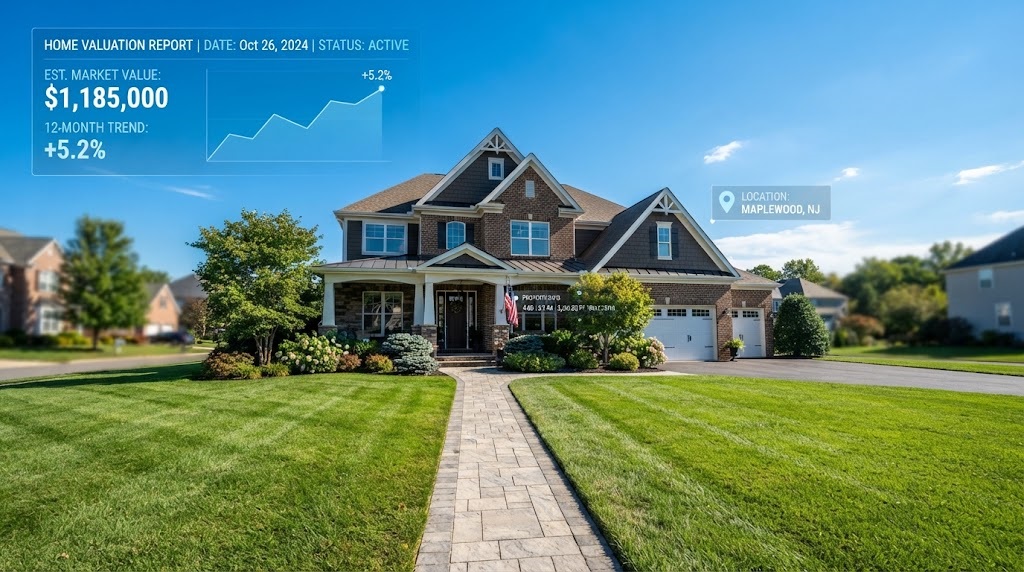
For home sellers, setting an inaccurate listing price can have severe financial consequences. Overpricing a home often leads to prolonged days on market, forcing price reductions that make buyers skeptical about hidden property defects. Conversely, underpricing a home means leaving hard-earned equity on the table. Utilizing property valuations from PropertyPricer gives sellers an objective baseline based on real-time comparative sales, helping them position their listing competitively from day one.
For prospective buyers, making an offer without reliable pricing data increases the risk of overpaying in competitive bidding situations. Conversely, making a lowball offer based on flawed estimates can cause sellers to reject bids outright. Accessing property valuations from PropertyPricer ensures that buyers submit fair, data-backed offers that reflect true local market conditions.
Supporting Refinancing, Home Equity, and Wealth Management
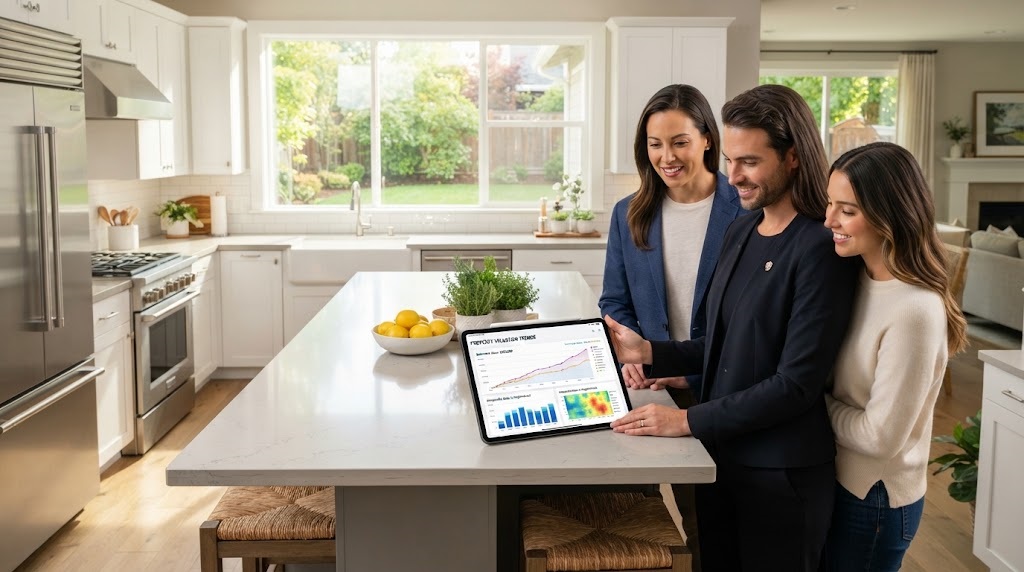
Home equity represents the largest asset category for millions of American families. Whether you are applying for a Home Equity Line of Credit (HELOC), refinancing a mortgage to secure better loan terms, or assessing your net worth for estate planning, knowing your current equity position is vital. Regular property valuations from PropertyPricer allow homeowners to monitor equity growth over time, helping them make informed choices regarding home improvement loans, debt consolidation, or retirement planning.
The Technology Behind PropertyPricer Valuations
Modern digital valuation platforms rely on advanced algorithmic modeling known as Automated Valuation Models (AVMs). These complex software engines process millions of data points simultaneously to generate accurate pricing estimates in seconds.
Aggregating Public, Municipal, and MLS Data Sources
To produce reliable estimates, the algorithms underlying property valuations from PropertyPricer continuously ingest information from multiple authoritative real estate databases:
- Public Tax and Land Records: County assessor records, deed transfers, property tax histories, and boundary maps.
- Multiple Listing Service (MLS) Feeds: Active listing prices, pending contract statuses, price reduction histories, and recent closed sales.
- Structural Property Characteristics: Total living square footage, lot size, bedroom and bathroom counts, year built, and structural style.
- Geographic and Neighborhood Indicators: Hyper-local sales trends, neighborhood walkability scores, proximity to amenities, and local school district rankings.
Machine Learning and Predictive Analytics in Real Estate
Static spreadsheets cannot adapt to rapid housing market shifts. By applying machine learning algorithms to historical sales data, property valuations from PropertyPricer detect emerging price trends before they appear in traditional quarterly reports. The valuation model compares a target property against dozens of recently sold nearby homes (“comps”), making automated mathematical adjustments for differences in square footage, age, and feature sets to calculate a precise value range.
Key Benefits for Buyers, Sellers, and Investors
Digital valuation tools offer distinct strategic advantages depending on your specific role within the real estate ecosystem.
Advantages for Homeowners and Sellers
Preparing a home for sale involves numerous logistical and financial decisions. Utilizing property valuations from PropertyPricer helps sellers establish realistic pricing expectations before hiring a listing agent or hosting open houses.
- Data-Driven Listing Strategies: Avoid emotional bias when pricing your family home by relying on neutral market data.
- Evaluating Renovation ROI: Determine how much equity potential home improvement projects—such as kitchen upgrades or bathroom remodels—might add before spending money out of pocket.
- Tracking Market Appreciation: Monitor how broader economic factors and regional job growth influence your property’s value month after month.
Advantages for Homebuyers and Real Estate Investors
For real estate investors managing rental portfolios or fixing-and-flipping residential properties, speed and accuracy are crucial. Evaluating property valuations from PropertyPricer allows investors to analyze multiple potential acquisition deals quickly.
- Rapid Deal Screening: Filter through dozens of active property listings to identify underpriced homes or motivated seller opportunities.
- Estimating After-Repair Value (ARV): Combine automated baseline values with estimated renovation expenses to calculate projected investment returns.
- Portfolio Tracking: Track total portfolio value, loan-to-value (LTV) ratios, and rental yield potential across geographic regions.
Comparing PropertyPricer Valuations to Traditional Appraisals and CMAs
It is essential to understand how automated digital estimates fit alongside traditional valuation methods used in real estate transactions.
Automated Valuation Models (AVMs) vs Full In-Person Appraisals
An Automated Valuation Model provides a fast, data-driven mathematical estimate generated instantly by software. By contrast, a traditional home appraisal is conducted by a licensed human real estate appraiser who physically visits the property, measures dimensions, inspects interior finishes, and evaluates structural condition firsthand.
While a full appraisal is legally required by mortgage lenders during formal loan underwriting, obtaining property valuations from PropertyPricer serves as an ideal first step for preliminary research, portfolio tracking, and initial listing strategies. Digital AVMs offer immediate, low-cost insights without requiring scheduled home visits or lengthy waiting periods.
Comparative Market Analysis (CMA) by Real Estate Agents
A Comparative Market Analysis (CMA) is a pricing report prepared by a licensed real estate agent using local MLS data to help sellers set a listing price. Combining a professional agent’s local market experience with objective property valuations from PropertyPricer gives homeowners the best of both worlds: human neighborhood context verified by comprehensive algorithmic analytics.
How to Maximize the Accuracy of Your Valuation Estimate
While automated valuation software processes millions of records, homeowners can take specific actions to ensure their digital pricing estimates remain as accurate as possible.
Verifying and Updating Property Details
Automated algorithms rely on public records, which can occasionally contain outdated or incomplete information. If county tax records list your home as having three bedrooms when a finished basement added a fourth bedroom, your automated estimate may be skewed lower. Reviewing property valuations from PropertyPricer against your actual home layout ensures that square footage, bathroom counts, and lot boundaries are recorded accurately.
Accounting for Recent Upgrades and Condition Factors
An automated system cannot visually see a newly installed quartz countertop, designer bathroom tile, or a high-efficiency HVAC system unless those details are documented. When reviewing property valuations from PropertyPricer, adjust the baseline estimate upward if your home features premium modern finishes, or downward if the property requires major deferred maintenance like a new roof or foundation repairs.
Considering Hyper-Local Neighborhood Factors
Real estate values are inherently local. Properties backing up to quiet park greenbelts often command higher prices than identical homes facing busy arterial streets. Factoring hyper-local location nuances into property valuations from PropertyPricer helps refine your final pricing strategy.
Frequently Asked Questions
What are property valuations from PropertyPricer?
These are automated, data-driven estimates of a property’s market value generated by advanced algorithmic models that aggregate public land records, tax assessments, recent MLS sales, and neighborhood market trends.
How accurate are property valuations from PropertyPricer?
Digital valuations are highly accurate for properties located in active suburban neighborhoods with frequent recent home sales. Accuracy is highest when public records match the physical condition and layout of the home.
Can a property valuation replace a formal home appraisal?
No. While automated valuations provide fast, reliable preliminary estimates, formal mortgage underwriting usually requires an in-person inspection conducted by a licensed human appraiser.
What factors influence property valuations from PropertyPricer the most?
Key factors include recent sales prices of comparable nearby homes, total living square footage, lot size, bedroom and bathroom count, location quality, and local real estate market trends.
How often are property valuations updated?
Valuation engines update their datasets continuously as new public records, tax assessments, pending sales, and closed MLS transactions are recorded, ensuring estimates reflect current market conditions.
Why might an automated property valuation differ from a real estate agent’s CMA?
An agent’s Comparative Market Analysis incorporates subjective human observations regarding interior cosmetic condition, custom finishes, and immediate buyer sentiment, whereas an automated valuation relies primarily on mathematical data processing.
How can homeowners increase their property’s valuation score?
Homeowners can increase market value by completing energy-efficient upgrades, modernizing kitchens and bathrooms, improving exterior curb appeal, and maintaining major structural systems like roofs and HVAC units.
Conclusion
Understanding property equity and market pricing is fundamental to making sound financial moves in the American real estate landscape. Whether you are selling your long-time family residence, hunting for your first home, or building a commercial real estate portfolio, accurate pricing data removes uncertainty and protects your financial interests.
Utilizing property valuations from PropertyPricer provides property owners, buyers, and investors with fast, reliable, data-driven insights backed by advanced market analytics. By combining automated digital estimates with local market context and professional real estate advice, you can negotiate confidently, price accurately, and maximize your real estate wealth. Explore property valuations from PropertyPricer today to unlock the true value of your property assets.

Written by Twastia Editorial Team
Twastia Editorial Team shares practical insights about website design, SEO services, Google Ads, content marketing, social media, conversion rate optimization, and digital marketing strategy.
Last updated: Oct 20, 2026
Related posts from Twastia
Explore more useful articles from twastia.com about digital marketing, SEO, websites, ads, content, and growth strategy.