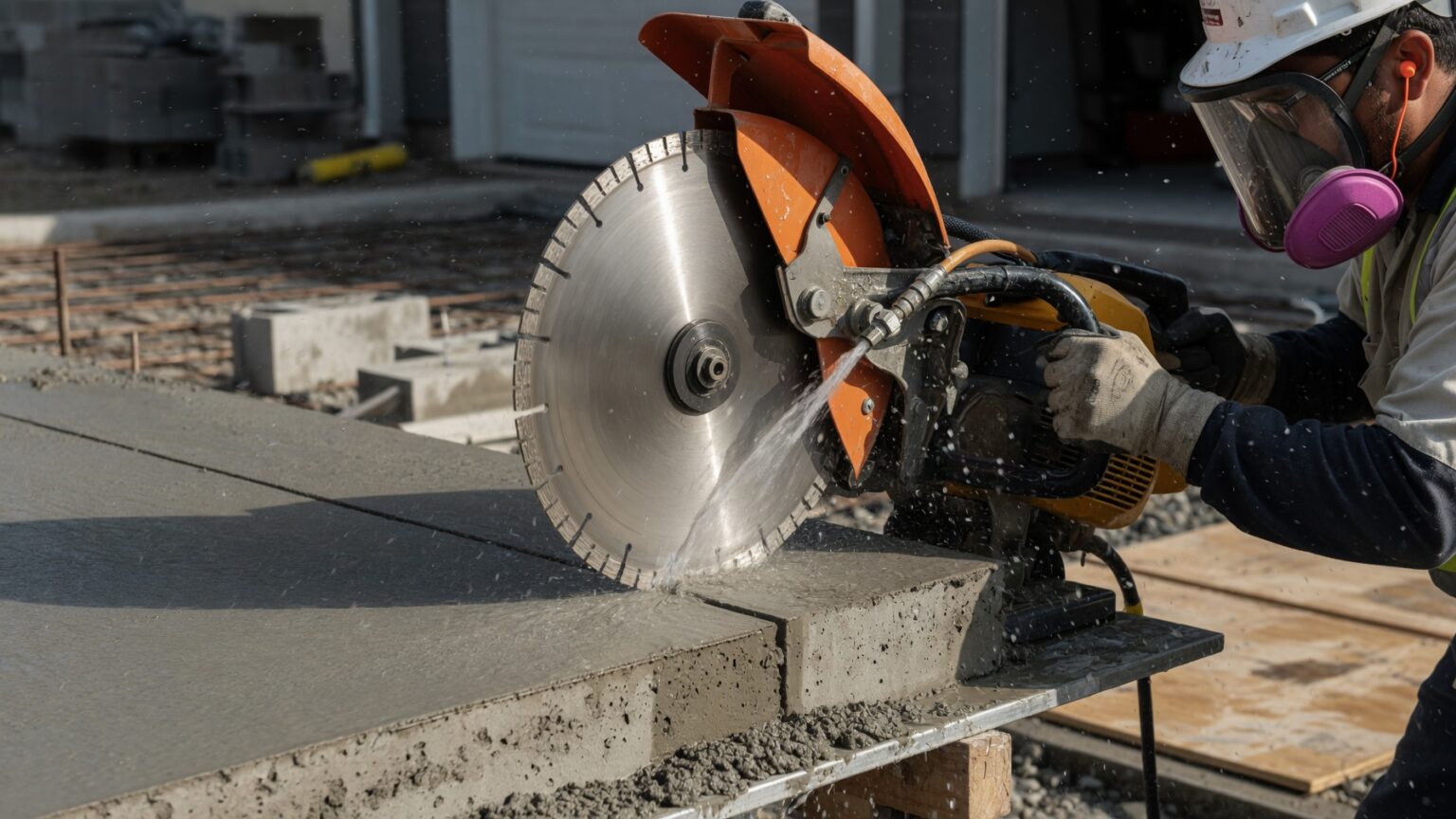
Diamond Blade: 7 Best Tips for Clean, Safe Cutting
Article Title:Diamond Blade Buying Guide: How to Choose the Right Blade for Concrete, Tile, Stone, Masonry, and Asphalt Cutting dense […]
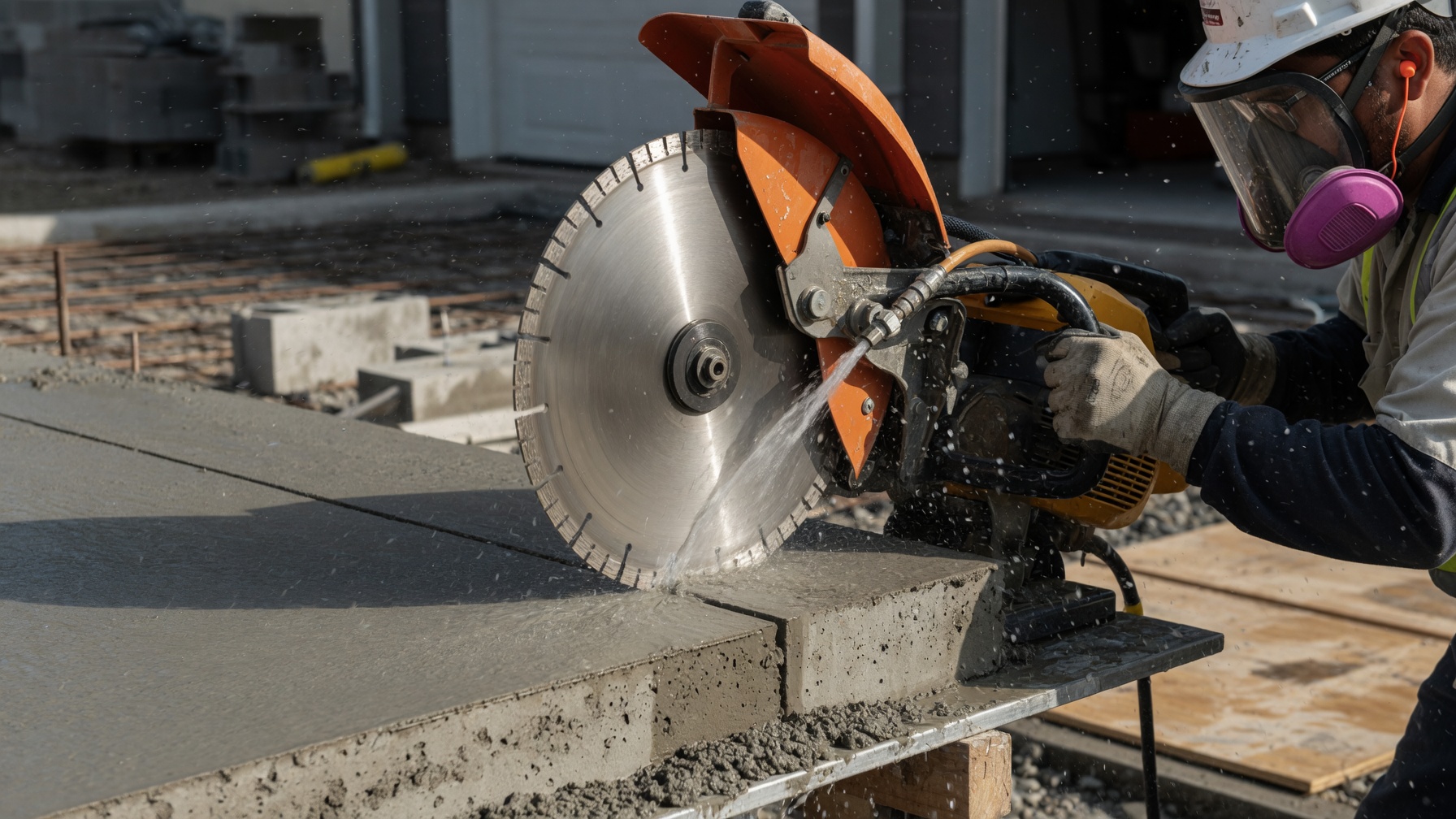
Article Title:
Diamond Blade Buying Guide: How to Choose the Right Blade for Concrete, Tile, Stone, Masonry, and Asphalt
Cutting dense construction materials requires a tool designed to withstand abrasion, heat, and demanding jobsite conditions. Ordinary abrasive wheels may work for selected tasks, but concrete, masonry, stone, tile, and asphalt often require a more specialized cutting system. A diamond blade uses industrial diamond particles incorporated into its cutting edge to grind through compatible materials efficiently when paired with the correct saw, operating speed, cutting method, and application.
Despite the name, a diamond blade usually does not slice material in the same way that a toothed woodworking blade cuts timber. Instead, exposed diamond particles abrade the material while the surrounding bond gradually wears to reveal new cutting particles. The relationship between the diamonds, bond, segment design, material being cut, and machine speed strongly influences both cutting performance and blade life.
Choosing the most expensive blade is therefore not enough. A blade intended for hard ceramic tile may perform poorly on abrasive asphalt, while a concrete blade may produce unacceptable chipping on decorative porcelain. Arbor size, blade diameter, maximum RPM, wet or dry rating, saw horsepower, and material composition all need to match the application.
This guide explains seven essential considerations for selecting and using diamond cutting blades, including segment styles, bond hardness, wet cutting, dust control, safety, maintenance, and common mistakes.
What Is a Diamond Blade?
A diamond blade is a circular cutting tool containing synthetic industrial diamonds within or along its cutting rim or segments.
Typical components include:
- Steel core.
- Diamond-containing segments or rim.
- Bonding material.
- Arbor hole.
- Expansion or cooling features on certain designs.
These blades are commonly installed on compatible:
- Angle grinders.
- Circular saws designed for masonry applications.
- Tile saws.
- Cut-off saws.
- Walk-behind concrete saws.
- Bridge saws.
Never install a blade on a machine unless its size, arbor, speed rating, guarding, and intended application are compatible.
How Does a Diamond Blade Work?
Diamond particles provide the abrasive cutting action.
As the blade moves through the material, the bond surrounding those particles gradually wears away.
This controlled wear exposes fresh diamonds.
The process creates a balance:
- If the bond wears too quickly, usable diamond material may be lost prematurely.
- If it wears too slowly, diamonds may become less exposed and cutting performance can decline.
This is why blade selection depends heavily on the material being cut.
1. Match the Blade to the Material
The first rule is simple: identify the material before selecting the blade.
Concrete
Concrete varies according to aggregate, age, reinforcement, and other factors.
Blades intended for concrete may need to accommodate hard aggregate or embedded reinforcing steel where the manufacturer permits it.
Asphalt
Asphalt is comparatively abrasive and can wear unsuitable blade bonds rapidly.
Purpose-designed asphalt blades often use segment and bond characteristics intended for that environment.
Porcelain and Ceramic Tile
Tile cutting often prioritizes edge quality and reduced chipping.
Continuous-rim designs are common for appropriate tile-saw applications.
Natural Stone
Granite, marble, engineered stone, and other materials have different characteristics.
Use a blade specifically recommended for the stone being processed.
A “universal” blade can be useful for mixed work but may not optimize performance on every material.
2. Understand Segment and Rim Styles
A diamond blade can have several cutting-edge designs.
Segmented Blade
Segmented blades have visible gaps between sections of the diamond-containing rim.
The design can support debris removal and heat management.
They are commonly used for construction materials such as concrete and masonry, depending on specification.
Turbo Blade
Turbo-style rims incorporate features intended to balance speed and finish quality.
They may be used for various masonry, tile, or stone applications depending on the specific product.
Continuous-Rim Blade
Continuous-rim blades have an uninterrupted cutting edge.
They are frequently used where a cleaner finish is required, such as suitable ceramic or porcelain cutting applications.
Always prioritize manufacturer application guidance over generic assumptions based on visual style.
3. Check Blade Diameter and Arbor Size
A blade must physically fit the machine.
Confirm:
- Blade diameter.
- Arbor size.
- Maximum operating speed.
- Rotation direction where specified.
- Machine compatibility.
Never remove guards or modify equipment simply to fit a larger blade.
A larger diameter changes operating conditions and can exceed what the tool was designed to handle.
The blade’s maximum rated RPM must never be lower than the machine’s no-load spindle speed for the intended configuration.
4. Choose Between Wet and Dry Cutting
Diamond blades may be designed for wet use, dry use, or both.
Wet Cutting
Water can help:
- Cool the blade.
- Suppress dust.
- Flush material from the cut.
Wet cutting is common with tile saws and many stationary or professional concrete-cutting systems.
Dry Cutting
Dry-rated blades can be used without water according to manufacturer instructions.
Heat management becomes particularly important.
Some dry cutting applications require intermittent cutting rather than continuous deep passes.
Never use a wet-only blade dry.
5. Understand Bond Hardness
One of the less obvious aspects of diamond blade selection is that hard and abrasive materials can require different bond behavior.
The general goal is controlled segment wear that continually exposes effective diamonds.
A blade manufacturer may offer multiple bond formulations for materials with different abrasive characteristics.
This is one reason professional contractors often use application-specific blades rather than one product for every task.
Follow the manufacturer’s material recommendations rather than trying to infer bond chemistry from appearance alone.
6. Control Dust Properly
Cutting concrete, masonry, stone, and similar materials can generate substantial airborne dust.
Some materials contain respirable crystalline silica, which can create serious occupational health risks.
Dust control may involve:
- Wet cutting.
- Local dust extraction.
- Appropriate vacuum systems.
- Work-practice controls.
- Respiratory protection where required.
Workplaces should follow applicable occupational safety requirements, including OSHA requirements in the United States where relevant.
A dust mask selected casually from a hardware shelf should not be assumed to satisfy regulatory respiratory-protection obligations.
7. Use the Blade Without Forcing It
A diamond blade should be allowed to cut at a rate compatible with the tool, material, and manufacturer recommendations.
Excessive pressure may:
- Increase heat.
- Reduce cutting performance.
- Stress the blade.
- Overload the saw.
- Increase kickback or binding risk.
Maintain control and keep the blade appropriately aligned.
Deep cuts may require staged passes depending on the equipment and application.
Diamond Blade for Concrete
Concrete-cutting performance depends partly on the material inside the slab.
Aggregate type can strongly influence abrasion.
Other factors include:
- Cured concrete versus green concrete.
- Reinforcing steel.
- Depth of cut.
- Saw power.
- Cutting speed.
If reinforcement is expected, verify that the blade and equipment are rated for the intended task.
Cutting structural concrete can also have engineering implications, so never alter structural elements without appropriate authorization and professional assessment.
Diamond Blade for Tile
Tile applications often prioritize finish quality.
To reduce chipping:
- Use a blade designed for the specific tile.
- Ensure the saw is properly aligned.
- Maintain correct feed rate.
- Use water when required.
- Support the tile properly.
A dull or damaged blade can reduce edge quality.
Decorative and expensive tiles should be tested on spare material before making critical cuts.
Diamond Blade for Asphalt
Asphalt’s abrasive characteristics can rapidly wear a blade designed for another material.
Specialized asphalt blades may include protective features designed to reduce undercutting around the steel core.
For contractors performing frequent road or pavement work, choosing an asphalt-specific blade may provide better value than using general-purpose products.
Diamond Blade for Stone
Natural and engineered stone cutting deserves particular attention because composition varies.
Some engineered materials can also create significant dust concerns.
Use equipment, blade specifications, and dust controls suitable for the exact material.
For fabrication shops, professional dust-management systems and workplace exposure controls are critical.
What Does “General Purpose” Mean?
General-purpose blades are designed to work across a range of materials.
They can be valuable for contractors who encounter mixed applications and prioritize convenience.
However, broad compatibility usually means compromise.
A specialized blade may provide:
- Faster cutting.
- Better edge quality.
- Longer service life.
The best choice depends on how often a particular material is cut.
Why Diamond Blades Wear Out
Diamonds are extremely hard, but the blade is still a consumable tool.
Wear occurs because:
- Bond material erodes.
- Diamond particles fracture.
- Diamonds eventually release from the matrix.
- Cutting environments are highly abrasive.
Blade life varies dramatically based on material, technique, machine power, cooling, and product quality.
No responsible manufacturer can guarantee identical service life in every application.
What Is Blade Glazing?
A blade may appear to become dull when the cutting edge no longer exposes effective diamond particles adequately.
This condition is sometimes described as glazing.
Possible causes can relate to:
- Inappropriate bond for the material.
- Operating technique.
- Insufficient abrasive interaction.
Manufacturer guidance should be followed for dressing or restoring a blade when appropriate.
Do not improvise with random materials that could create unsafe conditions.
Signs a Blade Needs Replacement
Stop using a blade if inspection reveals damage.
Warning signs can include:
- Cracks.
- Missing segments.
- Warped core.
- Excessive vibration.
- Damaged arbor.
- Significant uneven wear.
Never attempt to continue using a structurally damaged high-speed cutting blade.
When in doubt, remove it from service and consult the manufacturer or qualified supplier.
Blade Direction Matters
Some diamond blades have a specified rotation direction.
An arrow may be marked on the blade.
Install it according to manufacturer instructions.
Incorrect installation can affect designed cutting characteristics and performance.
Check direction before tightening the blade onto the machine.
Personal Protective Equipment
PPE requirements depend on the task and workplace.
Appropriate equipment may include:
- Eye protection.
- Face protection where required.
- Hearing protection.
- Gloves appropriate to the work.
- Protective footwear.
- Respiratory protection where required.
PPE is not a substitute for machine guards, dust extraction, or safe operating practices.
Kickback and Binding
Powered cutting tools can react violently when a blade binds or the cutting system becomes unstable.
Reduce risk by:
- Supporting workpieces correctly.
- Maintaining alignment.
- Avoiding twisting within a cut.
- Using the right tool.
- Following manufacturer technique.
Angle grinders and handheld saws deserve particular respect because their mobility increases the possibility of misalignment.
Inspect the Machine, Not Just the Blade
A premium diamond blade cannot compensate for damaged or inappropriate equipment.
Before cutting, inspect:
- Guard.
- Arbor.
- Flanges.
- Power cable or battery.
- Water system where applicable.
- Switches.
- General tool condition.
Damaged equipment should be repaired according to manufacturer procedures before use.
Can You Sharpen a Diamond Blade?
Diamond blades are not typically sharpened like conventional steel saw teeth.
Some blades may be dressed according to manufacturer instructions to expose fresh diamond material.
The correct procedure depends on blade type.
If performance remains poor or the blade shows damage, replacement may be appropriate.
How to Store Diamond Blades
Good storage helps prevent physical damage.
Keep blades:
- Dry.
- Protected from impact.
- Properly supported.
- Away from corrosive conditions.
Do not throw precision blades loosely into a toolbox beneath heavy equipment.
Inspect them again before installation.
Cheap vs. Premium Diamond Blades
Price alone does not determine value.
A cheaper blade may work perfectly for occasional DIY use, while professionals can benefit financially from longer life or faster cutting.
Evaluate cost per completed job rather than purchase price alone.
For frequent use, productivity and downtime may matter more than the initial blade cost.
Choosing a Diamond Blade for Professional Work
Contractors should consider:
- Material consistency.
- Daily cutting volume.
- Saw horsepower.
- Cut depth.
- Required finish.
- Dust-control method.
- Replacement availability.
Standardizing appropriate blades for common tasks can also reduce workers accidentally installing the wrong product.
Diamond Blade Safety Checklist
Before starting:
- Confirm material.
- Verify blade compatibility.
- Check maximum RPM.
- Inspect blade condition.
- Install correct guard.
- Confirm dust or water control.
- Wear required PPE.
- Clear the surrounding area.
- Secure the workpiece where appropriate.
A few minutes of preparation can prevent equipment damage and serious injuries.
AI and Cutting Technology
Artificial intelligence is increasingly appearing in advanced manufacturing and construction equipment.
AI-supported systems may eventually help optimize:
- Feed rates.
- Tool wear monitoring.
- Maintenance.
- Cutting parameters.
- Material identification.
Industrial systems already use sensor data to monitor tool performance.
Even with advanced automation, blade compatibility and physical safety requirements remain fundamental.
Sustainability and Blade Selection
Efficient blade selection can potentially reduce material and tool waste.
A blade that cuts effectively may:
- Require fewer replacements.
- Produce fewer failed cuts.
- Reduce rework.
Wet cutting systems can also involve responsible slurry management because concrete and stone residue should not simply be discharged into storm drains.
Follow local environmental requirements for waste and slurry handling.
Conclusion
A diamond blade can provide fast, precise cutting across concrete, masonry, tile, asphalt, and stone when its design is properly matched to the material and machine. The most important considerations are not simply diamond concentration or advertised durability: blade diameter, arbor size, RPM rating, segment design, bond formulation, wet or dry compatibility, saw power, dust controls, and operating technique all contribute to safe performance. Never force an unsuitable blade through a material or exceed equipment ratings, and remove cracked, warped, or damaged blades from service immediately. For concrete and stone work, controlling silica-containing dust deserves particular attention. By selecting application-specific equipment and following manufacturer and workplace safety requirements, users can achieve cleaner cuts while improving blade life and reducing unnecessary risk.
FAQs
What is a diamond blade used for?
A diamond blade is commonly used to cut compatible hard or abrasive materials such as concrete, masonry, ceramic or porcelain tile, stone, and asphalt, depending on blade design.
Can one diamond blade cut every material?
General-purpose blades can handle several materials, but specialized blades often provide better cutting speed, finish, or service life for specific applications.
What is the difference between segmented and continuous-rim blades?
Segmented blades have gaps between cutting sections and are common in construction applications, while continuous-rim designs are often used where smoother edge quality is important, such as suitable tile cutting.
Can a diamond blade be used dry?
Only if the blade manufacturer rates it for dry operation. A wet-only blade should not be used without its required water supply.
Why does my diamond blade stop cutting well?
Possible causes include glazing, inappropriate blade selection, incorrect operating technique, insufficient power, or blade wear. Stop and inspect the equipment before continuing.
How long does a diamond blade last?
Blade life varies considerably according to material, blade quality, cutting method, equipment, cooling, operator technique, and work volume, so there is no universal lifespan.

Written by Twastia Editorial Team
Twastia Editorial Team shares practical insights about website design, SEO services, Google Ads, content marketing, social media, conversion rate optimization, and digital marketing strategy.
Last updated: Aug 10, 2026
Related posts from Twastia
Explore more useful articles from twastia.com about digital marketing, SEO, websites, ads, content, and growth strategy.