Summerall’s Legacy: 7 Powerful Lasting Lessons
Some sports figures are remembered for spectacular plays, while others shape how millions of people experience the game itself. Pat […]
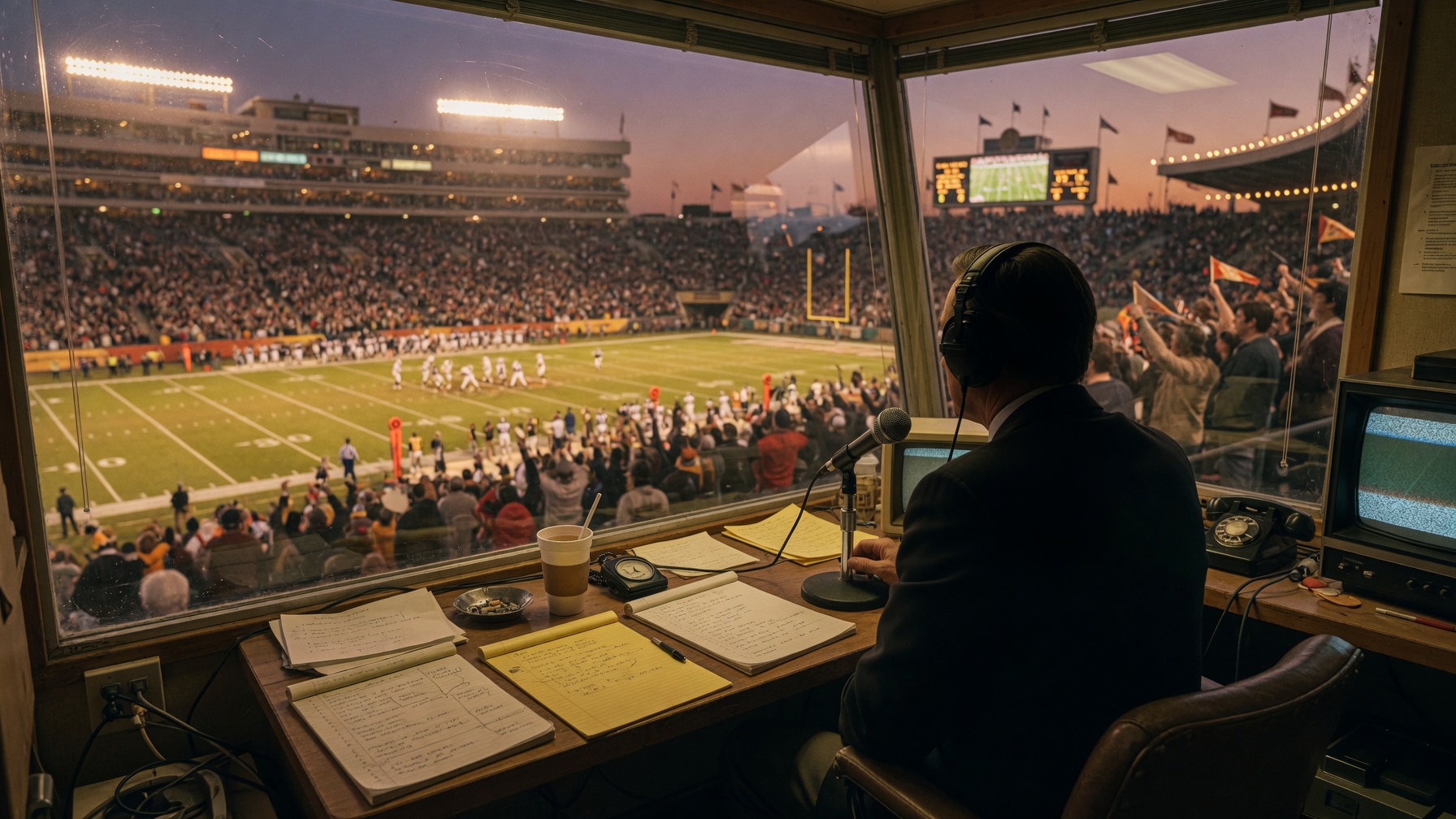
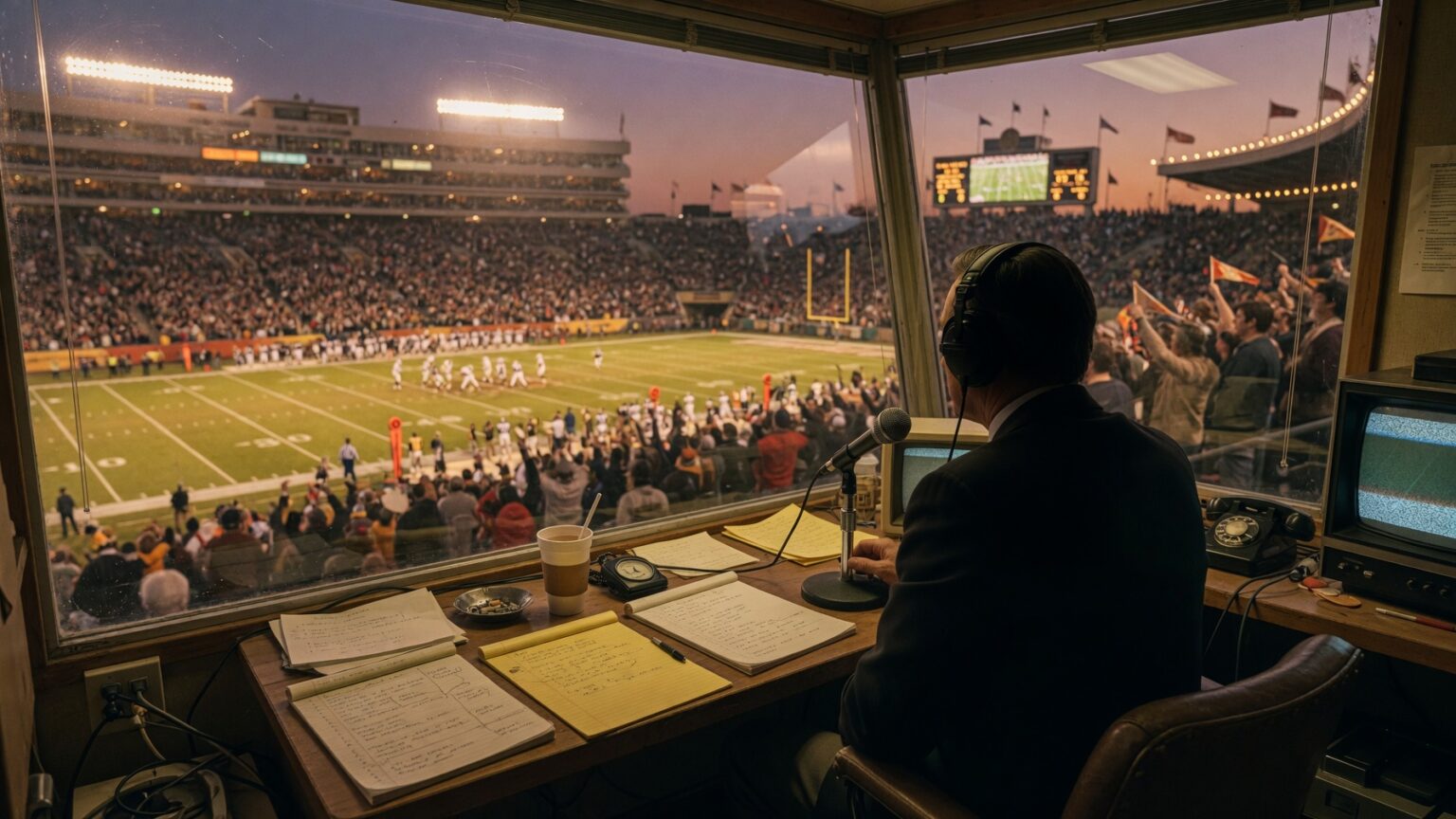
Some sports figures are remembered for spectacular plays, while others shape how millions of people experience the game itself. Pat Summerall accomplished both. He spent a decade as an NFL player before beginning a broadcasting career that ultimately made his measured delivery and unmistakable voice familiar to generations of American football fans. Summerall’s legacy reaches beyond statistics or the number of games he called; it reflects a distinctive philosophy of sports broadcasting built around preparation, restraint, partnership, and allowing important moments to speak for themselves.
For many viewers, Summerall became closely associated with the soundtrack of major NFL Sundays. His pairing with John Madden was particularly influential, combining Summerall’s concise play-by-play style with Madden’s energetic explanations and enthusiasm. Their contrasting approaches created a broadcast partnership that became one of the most recognizable in American sports television.
Summerall’s career also illustrates an unusual transition from professional athlete to elite broadcaster. His experience on the field gave him first-hand understanding of football, yet he did not overwhelm broadcasts with technical commentary simply to demonstrate expertise. Instead, he developed a restrained style that placed the game at the center of the presentation.
This guide explores seven dimensions of Summerall’s influence, from his playing career and broadcasting philosophy to the lessons his work still offers modern sports media.
Who Was Pat Summerall?
Pat Summerall was an American professional football player and longtime sports broadcaster whose career became strongly associated with the National Football League.
Born George Allen Summerall in 1930, he played college football at the University of Arkansas before entering professional football.
During his NFL career, he played primarily as a placekicker and also had experience at other positions earlier in his football development.
After his playing days, Summerall moved into broadcasting and eventually became one of the most recognizable play-by-play voices in American sports.
He died in 2013 at age 82.
Why Summerall’s Legacy Still Matters
Sports broadcasting has changed dramatically since Summerall’s peak years.
Modern broadcasts include:
- Advanced analytics.
- Multiple camera angles.
- Real-time statistics.
- Digital graphics.
- Social media integration.
- Alternative broadcasts.
Yet one fundamental challenge remains unchanged: broadcasters need to decide when to talk and when to let viewers experience the moment.
Summerall’s legacy remains relevant partly because he demonstrated how restraint can strengthen a broadcast rather than weaken it.
1. From NFL Player to Broadcaster
Summerall’s professional playing experience distinguished him from many traditional play-by-play announcers.
His NFL career included time with teams such as the Detroit Lions, Chicago Cardinals, and New York Giants.
As a kicker for the Giants, he participated in high-profile games during an important period in the growth of professional football.
Playing experience gave Summerall an understanding of:
- Game pressure.
- Locker-room culture.
- Coaching.
- Preparation.
- Momentum.
However, his later broadcasting success depended on developing a separate skill set rather than simply relying on his playing résumé.
2. The Power of an Understated Broadcasting Style
One of the defining elements of Summerall’s legacy was economy of language.
He rarely seemed interested in filling every second of silence.
His play-by-play style was commonly characterized by:
- Short descriptions.
- Controlled emotion.
- Clear identification of events.
- Strategic pauses.
- Calm delivery.
This approach gave stadium sound, crowd reaction, and the visual action room to breathe.
In an era when sports commentary can become increasingly dense, Summerall’s approach demonstrates that more words do not automatically create more insight.
3. The Pat Summerall and John Madden Partnership
No discussion of Summerall’s legacy is complete without John Madden.
The two became one of sports television’s most celebrated broadcasting teams.
Their styles were dramatically different.
Pat Summerall
Measured, concise, and composed.
John Madden
Animated, explanatory, humorous, and intensely enthusiastic.
Instead of competing with each other, these differences became complementary.
Summerall created space for Madden to explain strategy and personality, while Madden’s energy added depth and excitement around Summerall’s controlled play-by-play.
Their partnership demonstrated the importance of role clarity in broadcasting.
4. Making Major Games Feel Important
A great announcer does not need to constantly tell viewers that a game matters.
Tone, pacing, and timing can communicate significance more effectively.
Summerall developed a broadcasting presence particularly suited to major NFL events.
His voice became associated with:
- Nationally televised games.
- Playoff football.
- Rivalry matchups.
- Super Bowls.
That association helped make his delivery part of the emotional memory viewers formed around important games.
5. Knowing When Silence Is Better
Silence is one of the hardest broadcasting tools to use well.
Television naturally encourages constant commentary, particularly when producers and networks fear losing audience attention.
Summerall demonstrated that silence could add dramatic weight.
After an important play, allowing crowd noise and images to carry the moment gave viewers time to process what happened.
This is one of the most transferable lessons in Summerall’s legacy.
Good communication is not simply knowing what to say. It is knowing what not to say.
6. Bringing Credibility Without Making the Broadcast About Himself
Summerall had firsthand professional football experience, but his broadcasts rarely felt like personal showcases.
That distinction matters.
Former athletes can provide extraordinary insight, yet viewers generally tune in for the competition rather than the announcer’s biography.
Summerall used his background as context rather than the central subject.
His credibility emerged through composure and understanding rather than repeated references to his own career.
7. Influencing Generations of Sports Broadcasters
Summerall’s approach remains relevant to aspiring commentators because it demonstrates several durable principles.
A play-by-play broadcaster can learn from his emphasis on:
- Preparation.
- Clarity.
- Timing.
- Collaboration.
- Restraint.
- Respect for the audience.
Modern announcers do not need to imitate his voice or delivery.
The more useful lesson is understanding why his approach worked and adapting those principles to contemporary media.
Summerall and the Growth of NFL Television
Summerall’s broadcasting career coincided with decades in which professional football became increasingly central to American television culture.
NFL broadcasts grew into major national events supported by increasingly sophisticated production.
Television technology improved, but commentators remained the audience’s primary guides through the game.
Summerall’s calm style fit particularly well within this environment because it provided continuity while the spectacle around professional football expanded.
Beyond Football
Although most closely associated with NFL broadcasting, Summerall also worked on other major sporting events during his broadcasting career.
His versatility demonstrated that effective play-by-play skills could transfer beyond one sport.
Different competitions require different rhythms, but fundamental broadcasting abilities remain similar:
- Observe accurately.
- Identify what matters.
- Communicate efficiently.
- Match the moment’s emotional tone.
Why Voice Matters in Broadcasting
Summerall possessed an exceptionally recognizable voice, but vocal quality alone does not explain his success.
He understood pace.
Effective broadcast delivery depends on:
- Timing.
- Emphasis.
- Breathing.
- Pauses.
- Emotional control.
A distinctive voice can attract attention, but disciplined use of that voice builds trust.
Preparation Behind Simplicity
Concise broadcasting can look easy because audiences hear fewer words.
In reality, saying less often requires deeper preparation.
A well-prepared announcer can quickly determine:
- Which statistic matters.
- Which storyline deserves attention.
- Which detail can wait.
- When analysis belongs to the commentator.
Summerall’s economy worked because the simplicity was deliberate rather than uninformed.
Personal Challenges and Recovery
Summerall’s life also included well-documented struggles with alcohol and subsequent recovery.
He spoke publicly about alcoholism and treatment, making this part of his life an important dimension of his personal story.
Discussing this history responsibly means avoiding both sensationalism and oversimplification.
Addiction is a medical and personal issue, and recovery experiences differ significantly between individuals.
Summerall’s willingness to discuss his experience publicly added another layer to how many people understood his life beyond broadcasting.
Honors and Recognition
Summerall received substantial professional recognition during and after his broadcasting career.
Among the most prominent honors associated with his work was the Pete Rozelle Radio-Television Award from the Pro Football Hall of Fame, recognizing significant contributions to professional football through broadcasting.
His name has also remained visible through awards and programs connected to sports and broadcasting.
These honors reflect how his influence extended beyond audience popularity into professional recognition.
Summerall’s Legacy in Modern Broadcasting
Today’s sports environment is far noisier than the one in which Summerall developed his style.
Broadcasts compete with:
- Social media.
- Live statistics.
- Fantasy sports.
- Sports betting information.
- Multiple screens.
- Constant online commentary.
This makes restraint potentially more valuable, not less.
When viewers already have access to endless information, an announcer who identifies what matters can provide greater value than one who repeats everything available on screen.
Lessons for Podcasters and Content Creators
Summerall’s legacy extends beyond television sports.
Podcasters, YouTubers, interviewers, and digital creators can learn from the same principles.
Do Not Fill Every Silence
Pauses can create emphasis.
Give Partners Space
Strong collaboration requires listening.
Avoid Unnecessary Repetition
Clear communication generally improves when every sentence serves a purpose.
Understand Your Role
The presenter should support the subject rather than constantly becoming the subject.
These principles apply across modern media.
The Value of Complementary Partnerships
Summerall and Madden demonstrate why the strongest partnerships do not require identical personalities.
Creative teams often perform well when members contribute different strengths.
Summerall provided structure and composure.
Madden supplied explanation, personality, and visual imagination.
The lesson is not that every broadcast needs the same personality pairing. It is that collaboration improves when each contributor understands what the other does best.
Nostalgia and Objective Evaluation
Sports fans often view broadcasters from earlier eras through nostalgia.
It is useful to distinguish emotional memory from professional analysis.
Summerall’s reputation is not based solely on viewers remembering childhood Sundays. His work demonstrates identifiable techniques involving pacing, role discipline, and economy of language that can be evaluated independently.
Nostalgia may strengthen affection for his broadcasts, but it is not the only reason his style remains influential.
What Modern Broadcasters Can Learn from Summerall
Broadcasters operating today have access to dramatically more information than Summerall had during much of his career.
That abundance makes editorial judgment essential.
Before sharing a statistic, ask:
- Does it explain what just happened?
- Does the audience need it now?
- Is another visual already communicating the same information?
- Would silence be more effective?
Technology can provide unlimited data. The broadcaster’s job is still to choose.
AI and the Future of Sports Broadcasting
Artificial intelligence is entering sports media through:
- Automated highlights.
- Real-time statistics.
- Translation.
- Captioning.
- Data analysis.
- Synthetic commentary experiments.
AI can generate descriptions rapidly, but it may struggle with emotional timing, contextual judgment, and knowing when silence matters.
In that sense, Summerall’s legacy highlights a quality that remains difficult to automate: editorial restraint.
The future of broadcasting may involve more AI-supported information, while exceptional human commentators focus increasingly on judgment, storytelling, and emotional understanding.
Why Summerall’s Legacy Endures
Longevity in sports media requires more than having a memorable voice.
Summerall remained influential because his approach placed the sport ahead of the broadcaster.
His work emphasized:
- Professional preparation.
- Calm authority.
- Respect for colleagues.
- Trust in the audience.
- Appreciation for the moment.
These values remain relevant regardless of changes in television technology.
Preserving Broadcasting History
Historical sports broadcasts provide valuable records of how presentation styles changed alongside the games themselves.
Studying commentators such as Summerall helps future broadcasters understand that modern conventions are not inevitable.
Styles evolve.
Technology changes.
Audience expectations shift.
Yet clarity and judgment consistently remain central to good communication.
Conclusion
Summerall’s legacy is rooted in an unusual combination of professional football experience, broadcasting discipline, vocal authority, and remarkable restraint. Pat Summerall understood that the job of a play-by-play announcer was not to compete with the action but to help viewers understand and experience it. His celebrated partnership with John Madden worked because their contrasting personalities complemented one another, creating space for both concise narration and enthusiastic analysis. As sports broadcasting becomes increasingly saturated with statistics, graphics, digital feeds, and AI-generated information, Summerall’s approach feels surprisingly contemporary: prepare deeply, speak clearly, respect your partner, and recognize when the moment is powerful enough without additional words. That philosophy remains the most enduring part of Summerall’s legacy.
FAQs
What does Summerall’s legacy refer to?
Summerall’s legacy generally refers to Pat Summerall’s influence as an NFL player and, especially, as a prominent American sports broadcaster known for his understated play-by-play style.
Who was Pat Summerall?
Pat Summerall was a former NFL player who became a highly recognized television sports broadcaster, particularly for his coverage of professional football.
Why were Pat Summerall and John Madden so popular?
Their contrasting styles complemented each other. Summerall provided concise, controlled play-by-play, while Madden contributed energetic analysis, explanation, and personality.
What made Pat Summerall’s broadcasting style distinctive?
He was known for economical language, deliberate pacing, calm delivery, and his willingness to allow crowd noise and game action to carry important moments.
Did Pat Summerall play professional football?
Yes. Before entering broadcasting, Summerall played in the NFL, including significant time with the New York Giants.
Why does Summerall’s legacy still matter today?
His work demonstrates timeless communication principles: preparation, clarity, restraint, collaboration, and knowing when silence can communicate more effectively than additional commentary.

Written by Twastia Editorial Team
Twastia Editorial Team shares practical insights about website design, SEO services, Google Ads, content marketing, social media, conversion rate optimization, and digital marketing strategy.
Last updated: Aug 10, 2026
Related posts from Twastia
Explore more useful articles from twastia.com about digital marketing, SEO, websites, ads, content, and growth strategy.