Pool Installer Near Me: 7 Best Hiring Tips
Adding a swimming pool can transform a backyard into a place for recreation, exercise, entertaining, and relaxation. It can also […]
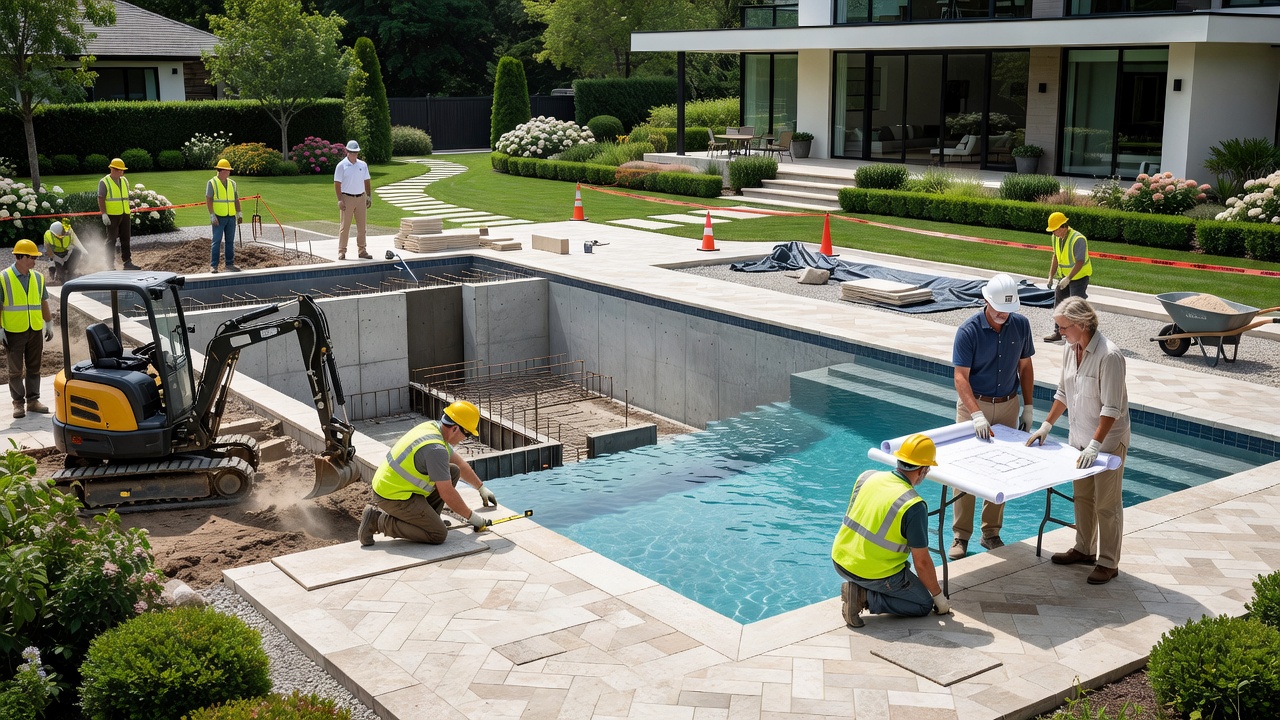
Adding a swimming pool can transform a backyard into a place for recreation, exercise, entertaining, and relaxation. It can also be one of the largest exterior improvements a homeowner undertakes, involving excavation, structural work, plumbing, electrical systems, drainage, permits, decking, and safety requirements. If you’re searching for a pool installer near me, choosing a contractor based solely on the lowest quote can create expensive problems long after construction is finished.
Pool installation is highly location-specific. Soil conditions, groundwater, lot access, property setbacks, utility locations, drainage requirements, fencing rules, energy codes, and permit procedures vary between communities. A reputable local installer should understand these issues and explain how they influence the design, schedule, and overall project cost.
The pool itself is only part of the investment. Pumps, filters, heaters, sanitizing equipment, lighting, covers, decking, landscaping, and ongoing maintenance all contribute to ownership costs. Careful planning before signing a contract can help prevent unexpected expenses and create a pool that fits both the property and household.
This guide covers seven essential considerations for comparing local pool installers, along with pool types, pricing, construction timelines, contracts, warranties, safety, and long-term maintenance.
What Does a Pool Installer Near Me Do?
A pool installer near me search typically connects homeowners with local contractors who design, build, renovate, or install residential swimming pools.
Depending on the company and project, services may include:
- Site evaluation.
- Pool design.
- Excavation.
- Structural construction.
- Plumbing.
- Equipment installation.
- Electrical coordination.
- Decking.
- Permitting.
- Startup and owner education.
Some companies manage the complete project internally, while others coordinate specialized subcontractors.
Ask who will actually perform each stage.
Why Hiring the Right Pool Installer Matters
A swimming pool contains thousands of gallons of water and relies on multiple systems working together.
Problems with installation can potentially result in:
- Water leaks.
- Cracking.
- Drainage problems.
- Equipment failures.
- Electrical hazards.
- Uneven decking.
- Permit issues.
Many defects are expensive to correct after landscaping and hardscaping have been completed.
Contractor selection therefore deserves the same attention as pool design.
1. Verify Licensing, Insurance, and Qualifications
Before hiring anyone found through a pool installer near me search, verify the credentials required in your jurisdiction.
Requirements can vary according to location and project scope.
Ask about:
- Contractor licensing.
- General liability insurance.
- Workers’ compensation where applicable.
- Electrical and plumbing qualifications.
- Permit responsibilities.
Verify licenses through the relevant government authority rather than relying solely on a number displayed on a website or vehicle.
2. Compare Different Pool Types
The installer should explain which construction method fits your property, budget, and design goals.
Concrete Pools
Concrete pools provide substantial design flexibility.
They can accommodate:
- Custom shapes.
- Different depths.
- Integrated spas.
- Steps and benches.
- Specialized finishes.
Construction generally involves multiple stages and can take longer than certain prefabricated alternatives.
Fiberglass Pools
Fiberglass shells are manufactured before arriving at the property.
Potential advantages include relatively quick installation and a smooth finished surface.
The primary limitation is that available shapes and dimensions depend on manufactured molds and delivery access.
Vinyl-Liner Pools
Vinyl pools use a flexible liner installed over a supporting structure.
They can offer flexible designs and competitive initial costs, but liners are consumable components that eventually require replacement.
No single pool type is universally best.
3. Request a Detailed Site Evaluation
A professional pool proposal should consider actual property conditions.
The installer may evaluate:
- Yard dimensions.
- Slope.
- Soil.
- Drainage.
- Utility locations.
- Equipment access.
- Setbacks.
- Existing landscaping.
Excavation becomes more complicated when large machinery cannot easily reach the backyard.
Rock, unstable soils, high groundwater, or unexpected underground conditions can also influence cost.
Ask how unforeseen site conditions are handled contractually.
4. Understand the Complete Pool Cost
A pool quote should include far more than the shell or concrete structure.
When comparing results for pool installer near me, request itemized proposals covering the same project scope.
Potential cost categories include:
- Design.
- Excavation.
- Pool structure.
- Plumbing.
- Filtration.
- Pump.
- Electrical work.
- Heating.
- Lighting.
- Decking.
- Permits.
- Cleanup.
Additional landscaping, fencing, outdoor kitchens, retaining walls, and patios may be separate.
The lowest base quote can become the most expensive project if important items are excluded.
5. Check Previous Pool Projects
Portfolio photographs are useful, but references provide more context.
Ask to see completed projects similar to what you want.
Look for examples involving:
- Similar pool type.
- Comparable lot size.
- Similar decking.
- Similar features.
When speaking with previous clients, ask about communication, schedule changes, budget changes, workmanship, and after-sales support.
A beautiful final photograph does not reveal how the construction process was managed.
6. Review Equipment and Warranty Details
Pool equipment affects maintenance, energy consumption, noise, and water quality.
A proposal may include:
Variable-Speed Pumps
Modern pumps can operate at different speeds depending on circulation requirements.
Filters
Common options include cartridge, sand, and diatomaceous earth systems, depending on local practice and application.
Heaters or Heat Pumps
Climate and desired swimming season influence heating decisions.
Sanitizing Systems
Pools may use different combinations of chlorine generation, chemical dosing, or other water-treatment methods.
Review manufacturer warranties and contractor workmanship warranties separately.
7. Read the Contract Before Construction
The contract should clearly document the project.
Important sections include:
- Final design.
- Materials.
- Equipment models.
- Payment schedule.
- Estimated timeline.
- Change-order procedures.
- Permit responsibility.
- Warranty.
- Cleanup.
- Cancellation terms.
Avoid relying on verbal promises for important features.
If a specific finish, heater, light, or deck material matters, have it documented appropriately.
How Much Does Pool Installation Cost?
There is no reliable universal price for pool construction.
Cost depends on:
- Geographic location.
- Pool type.
- Dimensions.
- Depth.
- Site access.
- Soil.
- Equipment.
- Decking.
- Features.
- Labor rates.
Custom concrete pools with spas, waterfalls, complex lighting, extensive decking, or difficult excavation can cost substantially more than straightforward installations.
Obtain several site-specific quotes.
How Long Does Pool Installation Take?
Installation timelines vary significantly.
Factors include:
- Pool type.
- Permitting.
- Weather.
- Site conditions.
- Inspections.
- Material availability.
- Contractor scheduling.
Fiberglass installation may move relatively quickly once permits and site preparation are complete, while custom concrete construction can require a longer sequence of structural and finishing stages.
Ask contractors to distinguish active construction time from the total calendar timeline.
Permits and Inspections
Pool construction often requires permits and inspections.
Requirements may cover:
- Structural work.
- Electrical systems.
- Plumbing.
- Barriers.
- Property setbacks.
- Drainage.
Do not assume a contractor is handling permits unless the contract clearly assigns responsibility.
Unpermitted work can create serious problems during future property sales or inspections.
Utility Location Before Excavation
Underground utilities must be identified before excavation begins.
Depending on location, this may involve public utility-marking services and additional private locating for lines that public services do not identify.
Potential underground infrastructure includes:
- Gas.
- Electricity.
- Water.
- Communications.
- Irrigation.
- Private utility lines.
Excavation should not begin until appropriate locating and safety procedures are complete.
Pool Safety Requirements
Swimming pools create serious drowning hazards, particularly for young children.
Local codes may require barriers, gates, alarms, or other protective measures.
Safety strategies can include:
- Code-compliant fencing.
- Self-closing and self-latching gates.
- Door alarms where applicable.
- Pool covers designed for safety applications.
- Active adult supervision.
No safety device replaces attentive supervision.
Homeowners should review current local requirements and established water-safety guidance.
Pool Electrical Safety
Water and electricity require strict safety controls.
Pool electrical systems may involve:
- Pumps.
- Heaters.
- Lighting.
- Controls.
- Bonding.
- Ground-fault protection.
Electrical work should be performed by appropriately qualified professionals and comply with applicable codes.
Do not modify pool wiring or equipment without understanding the safety implications.
Saltwater vs. Traditional Chlorination
“Saltwater pool” can create some confusion.
A saltwater pool still generally uses chlorine for sanitation; a salt-chlorine generator produces chlorine from dissolved salt.
Potential considerations include:
- Equipment cost.
- Maintenance.
- Salt-cell replacement.
- Material compatibility.
- Water chemistry.
Neither system eliminates the need for testing and balanced water chemistry.
Pool Decking Choices
The area surrounding the pool strongly influences appearance and usability.
Common materials can include:
- Concrete.
- Pavers.
- Natural stone.
- Tile.
- Composite decking in appropriate applications.
Consider:
- Surface temperature.
- Slip resistance.
- Drainage.
- Maintenance.
- Appearance.
Some dark materials can become extremely hot in direct sunlight.
Pool Lighting
LED lighting can extend pool use into the evening and contribute to atmosphere.
Lighting design may include:
- Underwater lights.
- Step illumination.
- Landscape lighting.
- Path lights.
Electrical components must be rated and installed for the intended environment.
Good landscape lighting can also improve visibility around walking areas.
Heating Your Pool
Pool heating can extend the swimming season but adds installation and operating costs.
Possible systems include:
- Gas heaters.
- Heat pumps.
- Solar heating in suitable environments.
The best solution depends on climate, pool volume, utility costs, desired temperature, and frequency of use.
Ask the installer for realistic performance expectations rather than generic savings claims.
Automation and Smart Pool Controls
Modern pools can integrate digital controls for:
- Pumps.
- Heating.
- Lighting.
- Sanitation equipment.
- Water features.
Smartphone access can improve convenience, but automation should not eliminate routine water testing or physical inspections.
Consider how the system works if internet connectivity is unavailable.
Energy-Efficient Pool Design
Energy consumption can be influenced during the design stage.
Strategies may include:
- Appropriate pump sizing.
- Variable-speed technology.
- Pool covers.
- Efficient heating.
- Sensible operating schedules.
Oversized equipment is not necessarily more efficient.
The hydraulic system should be designed for the particular pool.
Water Conservation
Pools lose water through evaporation, splashing, backwashing where applicable, and leaks.
A cover can help reduce evaporation when used appropriately.
Persistent unexpected water loss may indicate a leak and should be investigated.
Keep pool water out of storm drains or other locations where discharge is prohibited.
Choosing a Pool Installer Near Me Based on Reviews
Reviews are useful but should be interpreted carefully.
Look for repeated comments about:
- Communication.
- Construction quality.
- Schedule.
- Change orders.
- Cleanup.
- Warranty service.
Recent reviews are usually more relevant because staffing and management can change.
Also consider how the company responds to complaints.
Red Flags When Hiring a Pool Installer
Be cautious if a contractor:
- Cannot verify required credentials.
- Provides only a vague verbal estimate.
- Demands unusual payment arrangements.
- Refuses to specify equipment.
- Makes unrealistic completion promises.
- Uses strong pressure to secure an immediate signature.
A professional project should have detailed documentation.
Payment Schedules
Large pool projects commonly use staged payments tied to construction milestones.
The exact structure varies.
Before signing, understand:
- Deposit.
- Progress payments.
- Final payment.
- Change orders.
Avoid paying substantially ahead of completed work without understanding applicable legal protections and contract terms.
Pool Maintenance After Installation
Owning a pool requires regular care.
Tasks can include:
- Water testing.
- Chemical adjustment.
- Filter maintenance.
- Skimming.
- Brushing.
- Equipment inspection.
Maintenance requirements differ according to climate, pool type, and sanitation system.
Ask your installer for startup instructions and manufacturer documentation.
Landscaping Around a New Pool
Landscaping should be considered before final construction decisions.
Trees and plants can affect:
- Shade.
- Debris.
- Root growth.
- Privacy.
- Maintenance.
Choose plantings suited to pool environments and local climate.
Proper grading should direct unwanted surface runoff appropriately.
Pool Installer Near Me for Renovations
Existing pools can also require professional renovation.
Projects may include:
- Resurfacing.
- Tile replacement.
- Coping.
- Equipment upgrades.
- Deck renovation.
- Lighting updates.
A renovation contractor should inspect the existing structure before recommending cosmetic work.
Structural problems should be addressed before new finishes are installed.
AI and Pool Design
Artificial intelligence and 3D visualization tools can help homeowners preview pool concepts within photographs or digital property models.
These tools are useful for exploring:
- Shapes.
- Deck colors.
- Landscaping.
- Furniture placement.
However, visualizations cannot confirm structural feasibility, setbacks, underground utilities, drainage, or engineering requirements.
Final designs should rely on accurate site measurements and qualified professionals.
Conclusion
Searching for a pool installer near me is only the beginning of a successful swimming pool project. Homeowners should verify qualifications and insurance, compare pool types, request detailed site evaluations, understand the complete cost, review previous work, specify equipment, and read contracts carefully before construction begins. Local soil, drainage, weather, access, permits, utility locations, and safety regulations can all influence a project’s complexity. A trustworthy installer should explain these issues clearly rather than simply selling an attractive design. By obtaining multiple comparable proposals and planning for long-term maintenance, homeowners can choose a pool installer near me that is equipped to deliver a safe, functional, and enjoyable backyard investment.
FAQs
How do I choose a pool installer near me?
Compare required licensing, insurance, local experience, references, detailed quotes, warranties, equipment specifications, and recent customer reviews.
How much does it cost to hire a pool installer near me?
Cost varies significantly according to pool type, size, site conditions, excavation, equipment, decking, features, labor, and geographic location. Obtain site-specific written quotes.
Which pool type is best for a home?
Concrete, fiberglass, and vinyl-liner pools each offer different benefits. The best option depends on design goals, budget, property conditions, maintenance preferences, and local climate.
Does a pool installer handle permits?
Many contractors coordinate permits, but responsibility varies. The contract should clearly state who obtains permits and schedules required inspections.
How long does pool installation take?
Timelines depend on pool type, permits, weather, inspections, site access, material availability, and project complexity. Ask for a realistic calendar schedule before signing.
What should I ask a pool installer near me before hiring?
Ask about credentials, insurance, previous projects, exact materials and equipment, payment milestones, permits, change orders, warranties, construction schedule, and after-sales support.

Written by Twastia Editorial Team
Twastia Editorial Team shares practical insights about website design, SEO services, Google Ads, content marketing, social media, conversion rate optimization, and digital marketing strategy.
Last updated: Aug 10, 2026
Related posts from Twastia
Explore more useful articles from twastia.com about digital marketing, SEO, websites, ads, content, and growth strategy.