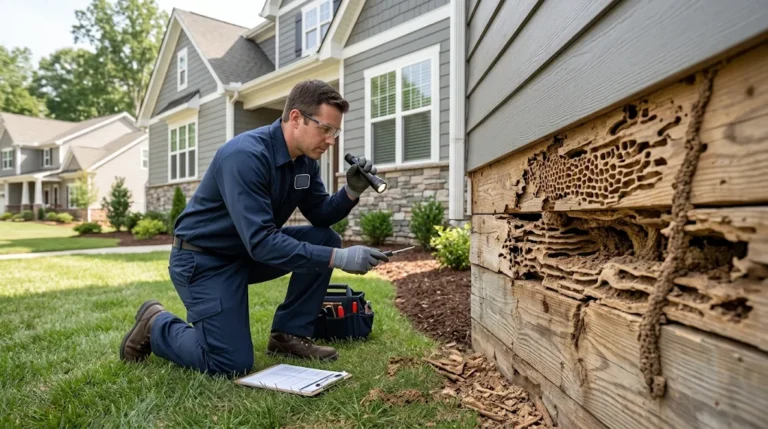
Water Damage: Prevention, Cleanup & Restoration Guide
Water damage is one of the most frustrating problems homeowners can face. A leaking pipe, damaged roof, overflowing appliance, or […]
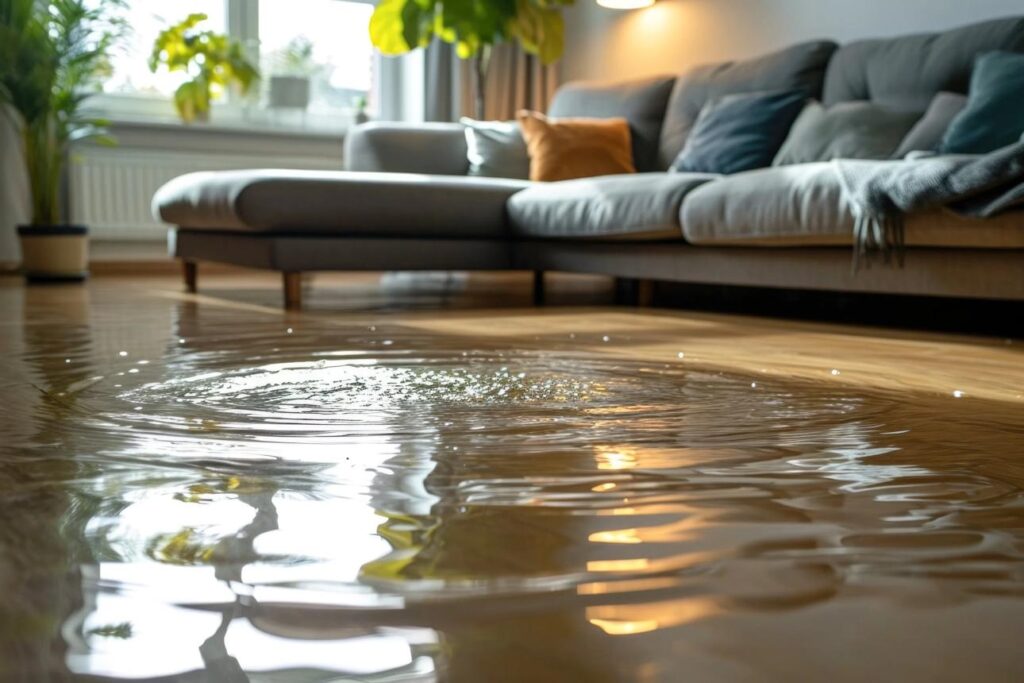
Water damage is one of the most frustrating problems homeowners can face. A leaking pipe, damaged roof, overflowing appliance, or heavy rainstorm can leave floors soaked, walls stained, and valuable belongings damaged. What starts as a small moisture problem can quickly turn into an expensive repair project.
For homeowners across the United States, understanding how to prevent and manage water damage is essential for maintaining a safe, comfortable, and well-protected home.
The challenge is that water problems are not always obvious. Moisture can collect behind drywall, beneath flooring, or inside cabinets long before visible damage appears. Without timely action, damp conditions may encourage mold growth and deterioration of building materials.
Fortunately, many common causes of residential water damage can be reduced through regular inspections, preventive maintenance, and appropriate emergency responses.
This guide explains the most common causes of water damage, early warning signs, prevention strategies, cleanup procedures, restoration considerations, and insurance questions every homeowner should understand.
What Is Water Damage?
Water damage occurs when unwanted moisture enters a building or accumulates in areas that are not designed to remain wet.
It can affect structural materials, flooring, furniture, insulation, electrical systems, and household appliances.
Damage may develop suddenly after a pipe bursts or gradually through an unnoticed plumbing leak.
Common Types of Residential Water Damage
Water-related incidents differ according to their source and potential contamination.
Clean water incidents may involve water from a broken supply pipe or overflowing sink containing relatively clean water.
Gray water incidents may involve water from appliances or fixtures that contains contaminants and requires additional precautions.
Black water incidents involve serious contamination, including sewage or certain floodwater exposures.
These categories are commonly used in the restoration industry. However, water conditions can change over time, and professional assessment may be necessary to determine contamination risks.
What Causes Water Damage in Homes?
Understanding the main causes makes prevention more practical.
Plumbing Leaks and Burst Pipes
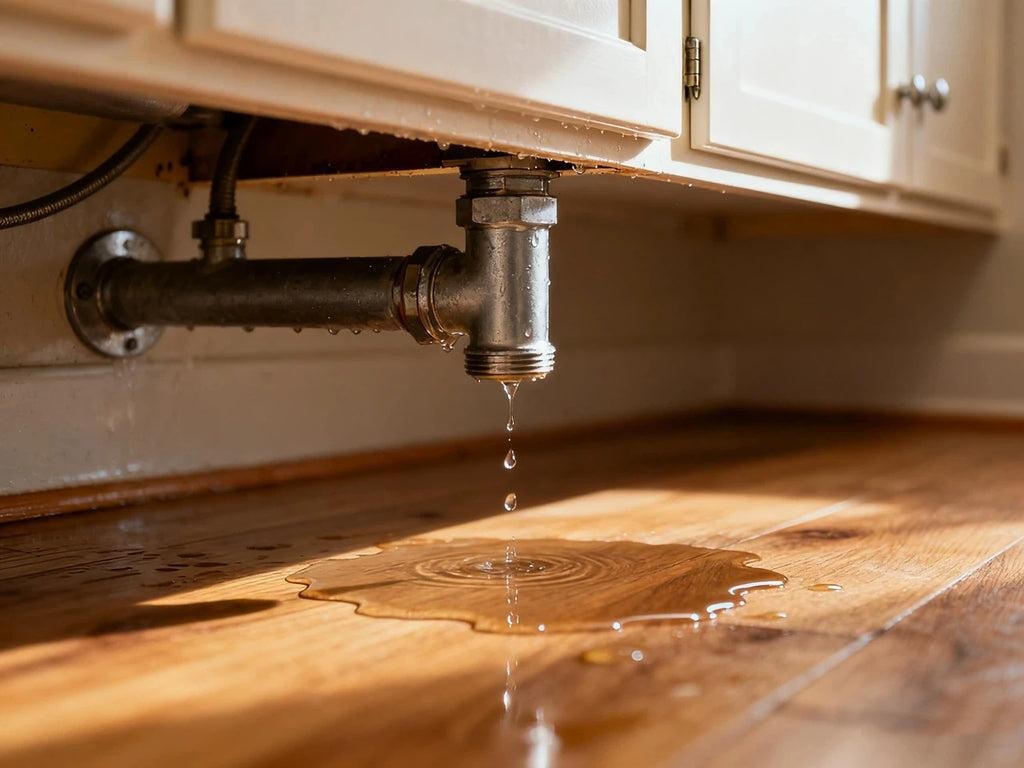
Pipes can leak because of corrosion, worn connections, freezing temperatures, excessive pressure, or physical damage.
Even a small leak beneath a sink may gradually damage cabinets, flooring, and nearby walls.
In colder parts of the United States, frozen pipes are another concern. When water freezes inside plumbing, expanding ice can contribute to pipe failure.
Roof Leaks and Storm Damage
Missing shingles, damaged flashing, clogged gutters, and deteriorated roofing materials can allow rainwater to enter a home.
Water may travel through attic insulation before becoming visible as ceiling stains.
Homes exposed to strong thunderstorms, hurricanes, or heavy snowfall may require additional roof and drainage inspections.
Appliance Malfunctions
Washing machines, dishwashers, refrigerators, and water heaters all have the potential to leak.
A deteriorated supply hose or loose connection can release significant amounts of water if the problem goes unnoticed.
Regular appliance inspections are especially important when equipment is aging.
Basement Flooding and Poor Drainage
Basements are vulnerable to moisture intrusion because they sit partially or completely below ground level.
Heavy rainfall, poor yard grading, blocked drainage systems, foundation cracks, and sump pump failures can contribute to water accumulation.
Identifying the source is essential because surface cleanup alone will not prevent recurring problems.
Early Warning Signs of Water Damage
Recognizing small changes around the home can help prevent more extensive repairs.
Discoloration on Walls and Ceilings
Yellow, brown, or irregular dark stains may indicate moisture intrusion.
These marks commonly appear near roof leaks, bathrooms, plumbing fixtures, and ceilings beneath upper-floor rooms.
Fresh paint may temporarily cover discoloration, but it cannot correct an active leak.
Peeling Paint or Bubbling Wallpaper
Excess moisture can weaken the bond between wall surfaces and decorative finishes.
Paint may blister, wallpaper may separate, and drywall may feel unusually soft.
These changes deserve attention, especially when accompanied by a musty odor.
Warped Flooring and Damaged Baseboards
Wood flooring may swell, cup, or buckle after absorbing moisture.
Laminate flooring can also deteriorate when water reaches vulnerable seams.
Wet carpet padding may retain moisture even when the carpet surface appears dry.
Musty Smells and Visible Mold
Persistent musty odors can indicate moisture collecting in poorly ventilated areas.
Mold may appear as irregular spots on walls, ceilings, furniture, or other damp surfaces.
The U.S. Environmental Protection Agency emphasizes that controlling moisture is essential for preventing indoor mold problems.
How to Prevent Water Damage in Your Home
Preventive maintenance is often more manageable than dealing with a major restoration project.
Inspect Plumbing Regularly
Check beneath sinks, around toilets, and near visible plumbing connections.
Look for corrosion, moisture, loose fittings, and unexpected dripping.
Monitor your water bill for unusual increases that could indicate hidden leaks.
Know where your home’s main water shutoff valve is located so you can respond quickly during an emergency.
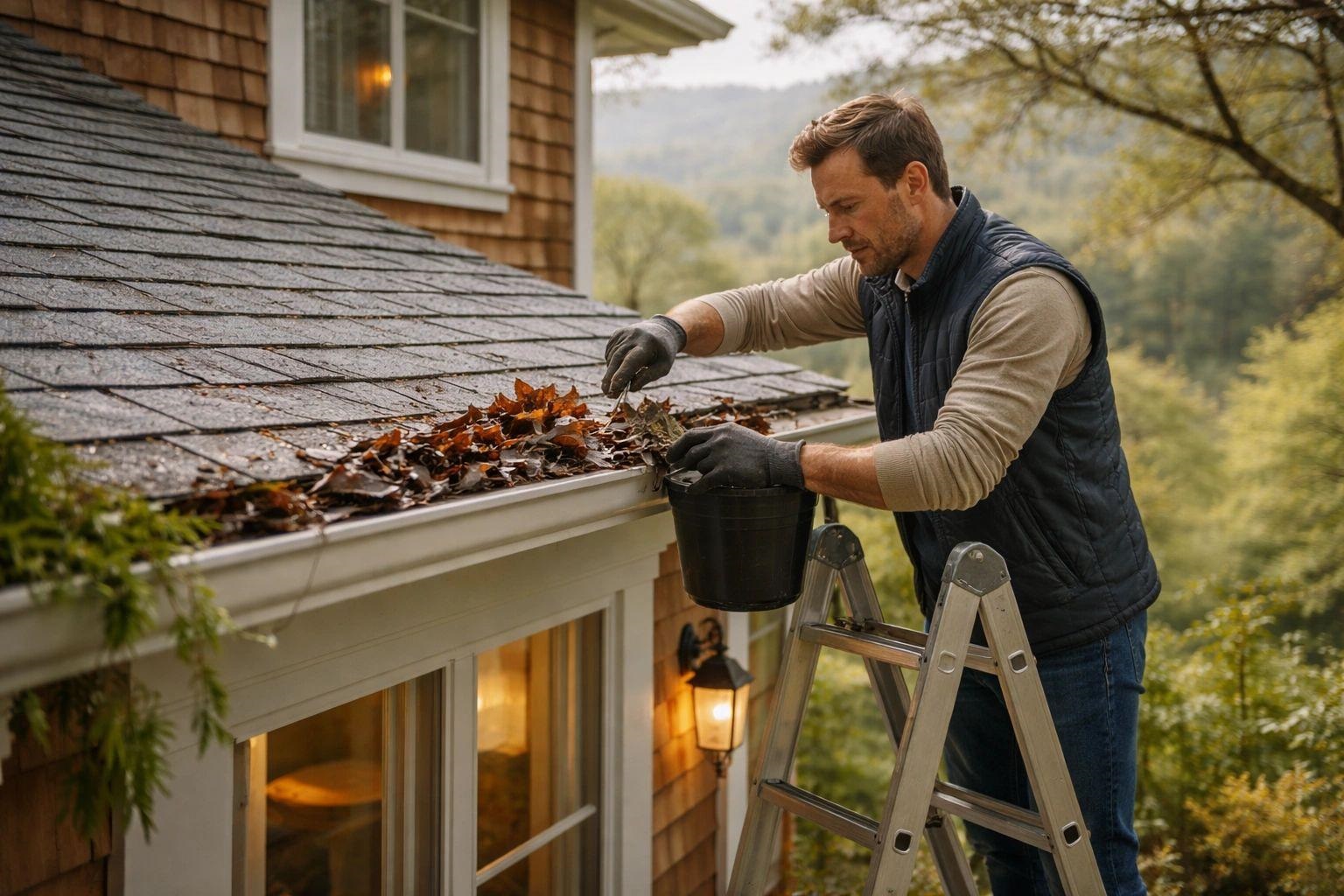
Maintain Gutters and Downspouts
Gutters help direct rainwater away from the roof and foundation.
Remove leaves, branches, and accumulated debris regularly.
Ensure downspouts discharge water away from the foundation without directing it toward neighboring properties or walkways.
Inspect gutter attachments and drainage connections after major storms.
Check Your Roof
Examine accessible roof areas visually from the ground and look for damaged shingles, loose flashing, or deteriorated seals.
Schedule a qualified roofing inspection when damage is suspected.
Avoid climbing onto a wet or damaged roof, especially during severe weather.
Maintain Household Appliances
Inspect washing machine hoses, dishwasher connections, refrigerator water lines, and water heaters.
Replace damaged components according to manufacturer recommendations.
Consider installing leak detectors near appliances and other vulnerable locations.
Some smart water monitoring systems can alert homeowners when unusual moisture or water flow is detected.
Control Indoor Humidity
Excess indoor humidity can encourage condensation and mold growth.
Use bathroom exhaust fans, maintain air-conditioning equipment, and repair moisture sources promptly.
The EPA recommends keeping indoor relative humidity below 60%, ideally between 30% and 50%.
A simple hygrometer can help monitor household humidity levels.
What to Do Immediately After Water Damage
When unexpected water enters your home, safety should come before cleanup.
Step 1: Identify Immediate Hazards
Avoid entering flooded rooms when electrical outlets, appliances, or wiring may be submerged.
Do not touch electrical equipment while standing in water.
If flooding creates a significant electrical or structural hazard, leave the area and contact the appropriate emergency professional.
Never enter a building that authorities have identified as unsafe.
Step 2: Stop the Water Source
If the problem involves a plumbing leak and it is safe to do so, shut off the affected fixture or main water supply.
For roof leaks or stormwater intrusion, avoid attempting dangerous repairs during active weather.
Contact a qualified plumber or restoration professional when the source cannot be controlled safely.
Step 3: Document the Damage
Before removing damaged belongings, take photographs and videos when conditions are safe.
Document affected rooms, furniture, flooring, and visible moisture.
Keep receipts for emergency supplies, temporary repairs, and professional services.
These records may assist with insurance discussions and repair planning.
Step 4: Remove Standing Water Safely
Small amounts of clean water may be manageable with towels or appropriate wet-cleaning equipment.
Never use an ordinary household vacuum to collect water.
For extensive flooding, sewage contamination, or unknown water sources, seek qualified professional assistance.
Step 5: Begin Drying the Area
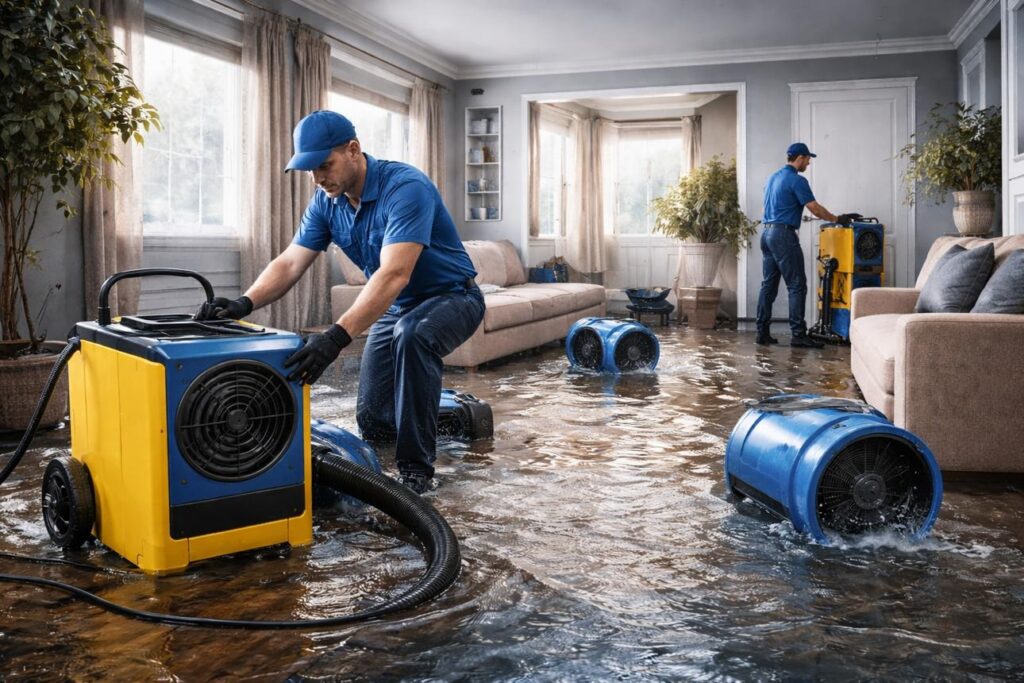
Once electrical conditions are safe and contamination has been assessed, use appropriate ventilation and drying equipment.
Dehumidifiers and fans can help remove moisture in suitable circumstances.
The EPA recommends drying wet areas and materials within 24–48 hours whenever possible to reduce the likelihood of mold growth.
Do not direct fans across visible mold growth because this may spread spores.
Understanding the Water Damage Restoration Process
Water damage restoration involves more than removing visible puddles.
A proper restoration project addresses moisture sources, affected materials, contamination concerns, and necessary repairs.
Water Extraction
Restoration professionals may use commercial extraction equipment to remove standing water from floors and other affected areas.
The equipment and methods depend on the size and contamination level of the incident.
Structural Drying
Drying equipment may include air movers, dehumidifiers, and moisture-monitoring tools.
Technicians may measure moisture inside building materials to determine whether additional drying is necessary.
Some materials, such as certain insulation and damaged drywall, may require removal rather than drying alone.
Cleaning and Sanitization
Cleaning requirements depend on the water source and materials involved.
Floodwater may contain sewage, chemicals, and other contaminants.
Items that cannot be adequately cleaned and dried may need to be discarded.
Repairs and Reconstruction
After moisture and contamination problems have been addressed, repair work may begin.
This can involve replacing drywall, insulation, baseboards, flooring, and damaged fixtures.
Finishes should not be restored until the underlying moisture problem has been corrected.
How to Prevent Mold After Water Damage
Mold prevention is an important part of successful water damage recovery.
Act Quickly
Mold can begin developing on damp materials when conditions are favorable.
The EPA recommends drying water-damaged areas within 24–48 hours when possible.
If a building remains wet beyond this period, additional mold precautions may be necessary.
Remove Materials That Cannot Be Saved
Porous materials can be difficult to clean thoroughly after contaminated flooding.
Carpet padding, drywall, insulation, and upholstered furniture may require professional evaluation or replacement.
Do not assume an item is safe simply because its visible surface has dried.
Address the Moisture Source
Cleaning visible mold without fixing the underlying water problem is unlikely to provide a lasting solution.
Repair leaks, improve drainage, and control humidity before rebuilding damaged surfaces.
Extensive mold contamination should be assessed by appropriately qualified professionals.
Does Homeowners Insurance Cover Water Damage?
Insurance coverage depends on the cause of the damage and the specific terms of the policy.
Sudden and Accidental Water Damage
Some homeowners insurance policies may cover certain sudden events, such as an unexpected burst pipe.
However, coverage can depend on maintenance conditions, exclusions, deductibles, and other policy requirements.
Gradual Leaks and Maintenance Problems
Damage caused by long-term deterioration or neglected maintenance is often excluded from standard policies.
For example, an unrepaired leak that continues for months may be treated differently from a sudden pipe failure.
Flood Damage
Most standard homeowners insurance policies do not cover damage caused by flooding.
Separate flood insurance may be available through the National Flood Insurance Program or private insurers.
Review your coverage with your insurance provider before an emergency occurs.
When Should You Hire Water Damage Restoration Professionals?
Not every water incident requires a full restoration team.
A small, clean-water spill on an unaffected hard surface may be manageable with ordinary household cleaning.
However, professional assistance is recommended when:
- Water has entered walls, insulation, or subflooring.
- Floodwater or sewage contamination is suspected.
- Large carpeted areas remain saturated.
- Electrical systems may have been affected.
- Mold growth is extensive or recurring.
- Structural materials appear weakened.
- The moisture source remains unidentified.
When choosing a restoration company, ask about relevant training, experience, insurance, written estimates, moisture documentation, and cleanup procedures.
Avoid contractors who promise complete restoration without first evaluating the affected property.
Frequently Asked Questions About Water Damage
1. What is the most common cause of water damage in homes?
Plumbing leaks, appliance failures, roof problems, and drainage issues are frequent causes. The leading cause for a particular property depends on its age, construction, maintenance, and local weather conditions.
2. How quickly should water damage be cleaned up?
Cleanup should begin as soon as conditions are safe. The EPA recommends drying wet materials within 24–48 hours when possible to reduce mold growth.
3. Can water-damaged drywall be repaired?
Minor surface damage may be repairable after the moisture source is corrected and the material is fully dried. Severely damaged or contaminated drywall often requires replacement.
4. Is water damage dangerous?
It can be. Potential hazards include electrical exposure, structural deterioration, contaminated water, and mold. Significant incidents should be assessed before occupants begin cleanup.
5. How can I tell if water is leaking behind a wall?
Warning signs include stains, bubbling paint, soft drywall, musty odors, unexplained humidity, and unusual increases in water usage. Professional moisture detection may help locate concealed leaks.
6. Will mold always grow after water damage?
Not necessarily. Mold requires suitable moisture conditions. Prompt drying and correction of the water source can significantly reduce the likelihood of growth.
7. Does homeowners insurance pay for water damage restoration?
Some restoration expenses may be covered when damage results from an insured event. Coverage varies, so review your policy and contact your insurer for claim-specific information.
8. Can water damage return after repairs?
Yes. Problems can recur if the original leak, drainage failure, or moisture source was not adequately corrected. Regular inspections and preventive maintenance help reduce future risks.
Conclusion
Water damage can disrupt daily life, damage valuable belongings, and create expensive home repair problems. However, many incidents can be prevented or their effects reduced through regular maintenance and timely action.
Inspecting plumbing connections, maintaining roofs and gutters, monitoring indoor humidity, and recognizing early warning signs can help protect your property.
If an incident occurs, prioritize safety, stop the water source when possible, document the damage, and arrange appropriate cleanup. Remember that drying visible surfaces does not necessarily mean hidden moisture has been eliminated.
For serious flooding, contamination, or structural concerns, professional water damage restoration services can help assess conditions and support a safer recovery.
By combining preventive care with a practical emergency response plan, homeowners can better protect their living spaces, reduce avoidable repair expenses, and maintain a healthier indoor environment for years to come.

Written by Twastia Editorial Team
Twastia Editorial Team shares practical insights about website design, SEO services, Google Ads, content marketing, social media, conversion rate optimization, and digital marketing strategy.
Last updated: Oct 26, 2026
Related posts from Twastia
Explore more useful articles from twastia.com about digital marketing, SEO, websites, ads, content, and growth strategy.