Whole-house humidifiers: Benefits, Types & Buying Guide
When winter heating leaves your rooms feeling dry, Whole-house humidifiers may offer a convenient way to add controlled moisture across […]
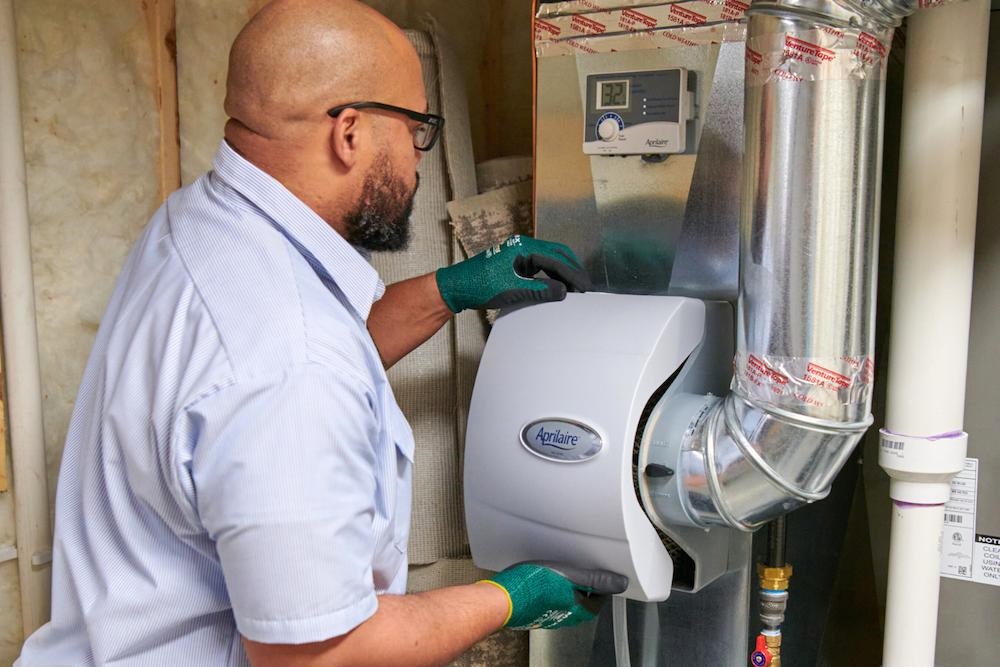
When winter heating leaves your rooms feeling dry, Whole-house humidifiers may offer a convenient way to add controlled moisture across a ducted home. Unlike a portable unit serving one bedroom, a central system works with heating and cooling equipment to distribute humidified air through existing ducts. That sounds straightforward, but results depend on the equipment, the building, and how carefully indoor humidity is managed.
For homeowners in Central Ohio and elsewhere in the United States, this guide explains the main technologies, realistic benefits, installation considerations, upkeep, and warning signs of excess moisture. The goal is comfortable indoor air without creating condensation or mold problems.
How Do Whole-house humidifiers Work?

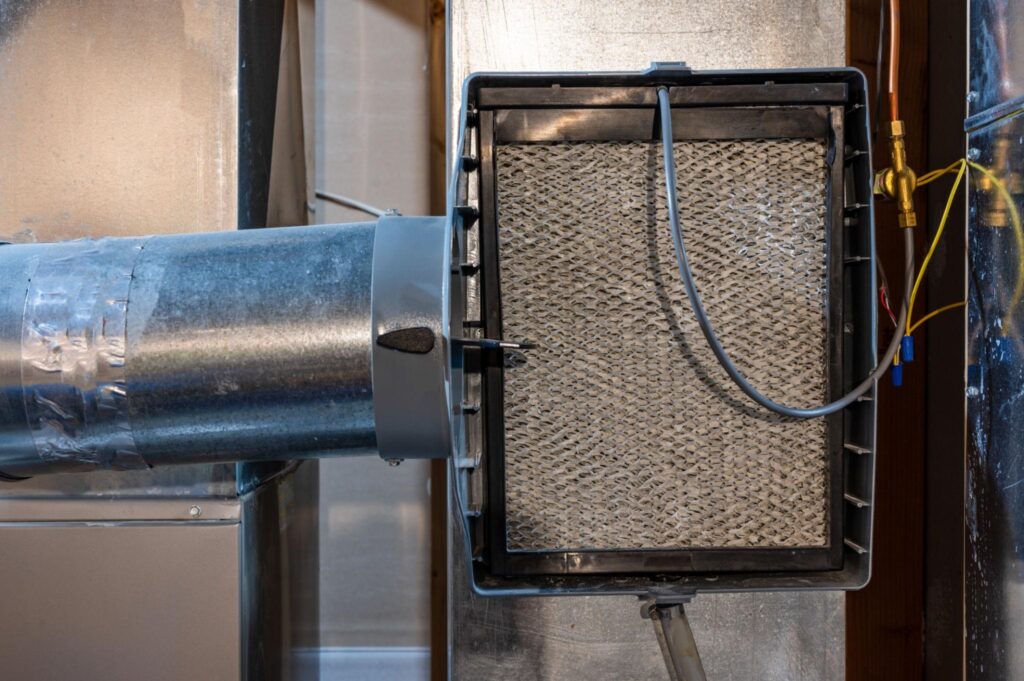
Most central humidifiers connect to forced-air HVAC ductwork and a household water supply. When a humidistat requests moisture, the equipment introduces water vapor into air moving through the system. A bypass or fan-powered evaporative model passes air across a wetted panel; a steam model heats water and delivers vapor into the airstream. The exact control sequence varies with the design and heating system.
Because ducts deliver conditioned air to multiple rooms, Whole-house humidifiers can serve more of the home than a single tabletop appliance. They do not necessarily create identical humidity readings in every room. Airflow, closed doors, ventilation, leakage, and room temperature can all affect local readings.
A humidistat controls moisture rather than temperature. Some setups have a manual dial, while others use automatic controls that respond to outdoor conditions. The thermostat, HVAC blower, and humidifier controls must be compatible and coordinated.
Signs Your House May Be Too Dry
A properly used hygrometer is more informative than a feeling alone. Dry skin, static electricity, or shrinking wooden trim can suggest low humidity, but they do not prove it. Measure relative humidity in more than one frequently occupied room over several days, particularly during cold weather when heating is operating.
Homeowners considering Whole-house humidifiers sometimes assume every winter discomfort comes from dry air. Drafts, excessive heating, inadequate ventilation, and skin conditions can produce similar complaints. Before buying equipment, check the actual indoor readings and address obvious air leaks or maintenance problems.
The U.S. Environmental Protection Agency recommends generally keeping indoor relative humidity between 30% and 50%. It also advises against humidifying above 50%, because excess moisture may encourage biological growth. In very cold weather, a lower setting may be necessary to prevent water condensing on windows or cold building surfaces.
Benefits and Limitations to Understand
More Consistent Convenience
With suitable ductwork, Whole-house humidifiers can add moisture throughout the heating system’s service area without asking someone to refill several small tanks daily. Central water connections and automatic controls make routine operation more convenient. They still require inspection, cleaning, and consumable replacement.
Relief From Some Dry-Air Nuisances
Moderate humidity may help reduce static shocks and the discomfort associated with very dry lips, nose, throat, and skin. It may also reduce drying stresses on some wood furnishings. However, humidification does not replace medical treatment and should never be promoted as a cure for allergies, asthma, respiratory infections, or other illnesses.
Risks of Too Much Moisture
Whole-house humidifiers are not universally beneficial. Overuse can encourage condensation, damp insulation, dust mites, and mold. If a house already has high humidity, leaks, or visible dampness, investigate those problems rather than automatically adding moisture. Balanced moisture control sometimes requires ventilation or dehumidification instead.
Compare the Three Main Types
Bypass Humidifiers
A bypass model uses airflow from the central system through an evaporative panel. It often has a comparatively straightforward design but needs suitable supply-and-return duct connections and sufficient air movement. Its performance depends on the HVAC arrangement and operating conditions.
Fan-Powered Evaporative Humidifiers
A fan-powered model contains a fan that draws air over a water panel. This arrangement may help where a traditional bypass connection is impractical, though available mounting space, electrical requirements, and output must still be checked.
Steam Humidifiers
Steam units generate vapor independently of relying entirely on warm air to evaporate water. They can be useful in applications demanding different output or control characteristics. The trade-offs may include additional electrical use, water management, periodic canister service, and a more involved installation.
When choosing among Whole-house humidifiers, avoid selecting solely by advertised gallons per day. Manufacturer ratings are based on specified conditions; actual performance depends on home size, construction tightness, ventilation, local weather, and HVAC runtime. An installer should calculate the likely moisture requirement and confirm the equipment fits the system.
Central Systems Versus Portable Room Units
A portable humidifier is often the easiest option for a renter, one dry bedroom, or a home without ducts. It generally costs less to start with and can be moved when needed. However, tank refilling and frequent cleaning are part of ownership, and some mist-producing types can disperse minerals or microorganisms when improperly maintained.
Whole-house humidifiers suit different circumstances: homeowners with compatible systems who want integrated control across multiple rooms. They normally require professional installation and commitment to long-term servicing. Neither approach is automatically safer or more economical. The right choice depends on the measured moisture problem, living arrangement, maintenance habits, and budget.
| Question | Whole-home approach | Portable approach |
|---|---|---|
| Where does it work? | Across areas served by compatible ductwork | Primarily the room where placed |
| Water supply | Commonly connected to plumbing | Usually manually refilled |
| Installation | Typically professional | Usually plug-in or freestanding |
| Upkeep | Seasonal and model-specific servicing | Frequent tank and surface cleaning |
| Best fit | Multiroom, ducted homes | Single spaces or temporary needs |
How to Choose the Right Capacity and Controls
For Whole-house humidifiers, square footage is only the starting point. A tightly sealed newer house and a drafty older house of identical size may lose moisture at very different rates. Ceiling height, the amount of outdoor air entering the house, insulation, local winter conditions, and household moisture production also matter.
Ask your contractor to inspect the available duct space, air handling equipment, electrical supply, water connection, and drainage route. Homes with heat pumps or systems that do not produce high supply-air temperatures may need additional attention to evaporative capacity. Homes without central ducts may be better suited to a different arrangement.
Controls should be easy to understand. A reliable hygrometer provides a useful independent check, even when the control has a built-in sensor. Ask whether an automatic humidistat can reduce its target during severe cold. The best target is not a fixed number for every house; any visible condensation means the setting or underlying moisture conditions need attention.
What Happens During Professional Installation?
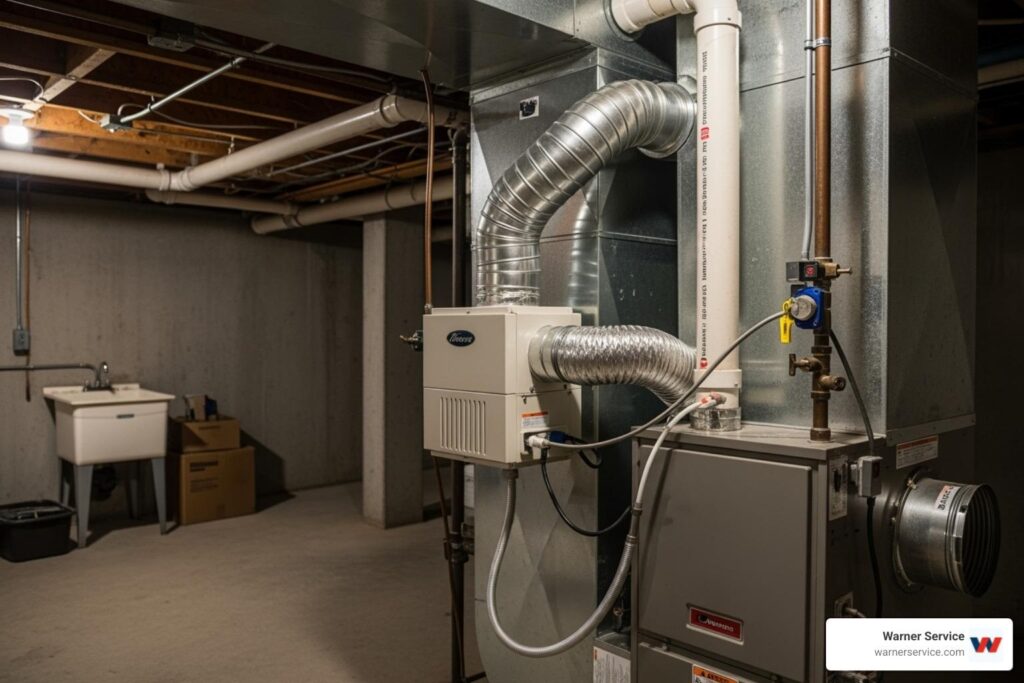
Before installing Whole-house humidifiers, an HVAC professional should confirm system compatibility and determine where equipment can be accessed for future service. The work may include securely mounting the unit, connecting the appropriate duct sections, arranging an approved water feed and drain, providing power and controls, and testing operation under the manufacturer’s instructions and applicable codes.
Proper placement matters. A drain that backs up or a water connection that leaks can damage surrounding building materials. The contractor should check clearances, airflow, control wiring, drainage, and moisture distribution. After commissioning, ask for the model number, owner’s manual, filter or panel replacement schedule, and a demonstration of humidistat adjustments.
In Central Ohio, American Air Heating & Cooling includes Whole-house humidifiers on its heating and cooling services page. The company lists Grove City and Hilliard locations and discusses humidity control along with dehumidification and air filtration. Homeowners should contact the company to confirm a specific installation assessment, product choice, availability, and written estimate rather than assuming a particular unit or price is offered.
Pricing and Ongoing Ownership Costs
It is tempting to ask for one standard installation price, but Whole-house humidifiers differ substantially in equipment complexity and site requirements. Quotes can vary with unit type, available duct access, plumbing and electrical work, drainage, permit requirements, and labor. A steam installation may involve different utility and servicing requirements than an evaporative model.
Request an itemized quote explaining equipment, installation, controls, accessories, warranty terms, and any required modifications. Also ask about recurring water-panel or canister replacement, water use, electricity, and seasonal servicing. Compare the lifetime responsibilities, not just the upfront invoice. An unsupported claim of guaranteed heating-bill savings should be treated skeptically; moisture control does not automatically lower energy costs.
Essential Maintenance and Seasonal Checks
Even correctly installed Whole-house humidifiers need care. Mineral buildup, clogged panels, water leaks, or neglected reservoirs can reduce performance and increase hygiene risks. Follow the precise service instructions for your model instead of adopting one replacement interval for every manufacturer.
A practical routine is to check for leaks and unusual sounds during operation, monitor humidity with a hygrometer, examine drains for blockage, and arrange panel or canister replacement when the manual requires it. A manufacturer such as AprilAire specifies different schedules for different evaporative models and steam canisters; those schedules should not be generalized to another brand.
At the end of the heating season, follow the manufacturer’s shutdown and cleaning instructions. If water stains, musty odors, recurring window condensation, or abnormal humidity readings appear, reduce or stop humidification while the problem is evaluated. Do not conceal an active moisture problem by turning up the thermostat.
Common Mistakes Homeowners Should Avoid
One mistake is purchasing Whole-house humidifiers without measuring humidity first. Another is choosing a unit based solely on a large capacity claim without checking HVAC compatibility. Homeowners also sometimes set the humidistat too high, ignore cold-weather condensation, or assume an automatic system is maintenance-free.
Humidity control must be considered alongside ventilation, filtration, and home moisture sources. A humidifier is not an air purifier, and it cannot fix roof leaks, wet basements, or improper bathroom ventilation. If someone in the household has significant respiratory concerns, discuss any proposed humidity changes with an appropriate clinician.
Frequently Asked Questions
1. What humidity should I maintain in winter?
The EPA generally recommends 30%–50% indoor relative humidity. In cold conditions, a lower setting can be necessary to avoid condensation on windows or other surfaces. Use actual measurements and watch for dampness rather than treating 50% as a universal winter target.
2. Are whole-house humidifiers worth it?
Whole-house humidifiers can be worthwhile for a homeowner with persistently dry measured indoor air, a compatible ducted system, and willingness to maintain the equipment. A portable unit may be more sensible for one room or occasional use.
3. Can a humidifier help with dry skin and static electricity?
Moderate humidification can reduce some discomfort and static associated with very dry air. It cannot guarantee relief for every person or address underlying medical conditions.
4. Do these systems cause mold?
Improper use or excess humidity can contribute to mold-friendly dampness. Correct sizing, appropriate controls, maintenance, and prompt response to condensation are important safeguards. A house with existing moisture problems needs those addressed first.
5. Can a whole-home humidifier work with a heat pump?
Possibly, but compatibility and performance depend on heat-pump design, duct layout, supply-air temperature, and the chosen humidifier. Have a qualified installer evaluate the system rather than assuming all furnace-style products will perform equally.
6. How often do water panels need replacing?
There is no universal interval. Manufacturer instructions vary by model and water conditions. Check the owner’s manual, inspect the unit seasonally, and follow the specified replacement schedule.
7. Will a whole-house humidifier reduce my heating bill?
Do not assume it will. Comfort may improve at an appropriate humidity level, but actual energy effects depend on equipment, controls, household behavior, and building conditions. Request evidence for any specific savings claim.
Conclusion
Whole-house humidifiers can make winter indoor air more comfortable when dryness is confirmed and the right system is professionally matched to the home. The decision should rest on moisture readings, duct compatibility, transparent installation costs, and a realistic maintenance plan. Maintain the EPA’s recommended humidity range where feasible, lower the setting when condensation appears, and remember that preventing excess moisture is as important as adding it.

Written by Twastia Editorial Team
Twastia Editorial Team shares practical insights about website design, SEO services, Google Ads, content marketing, social media, conversion rate optimization, and digital marketing strategy.
Last updated: Oct 17, 2026
Related posts from Twastia
Explore more useful articles from twastia.com about digital marketing, SEO, websites, ads, content, and growth strategy.