Geodesic Dome Greenhouse Guide for Year-Round Growing
A greenhouse can transform the way you garden by giving plants protection from unpredictable weather while allowing you to extend […]
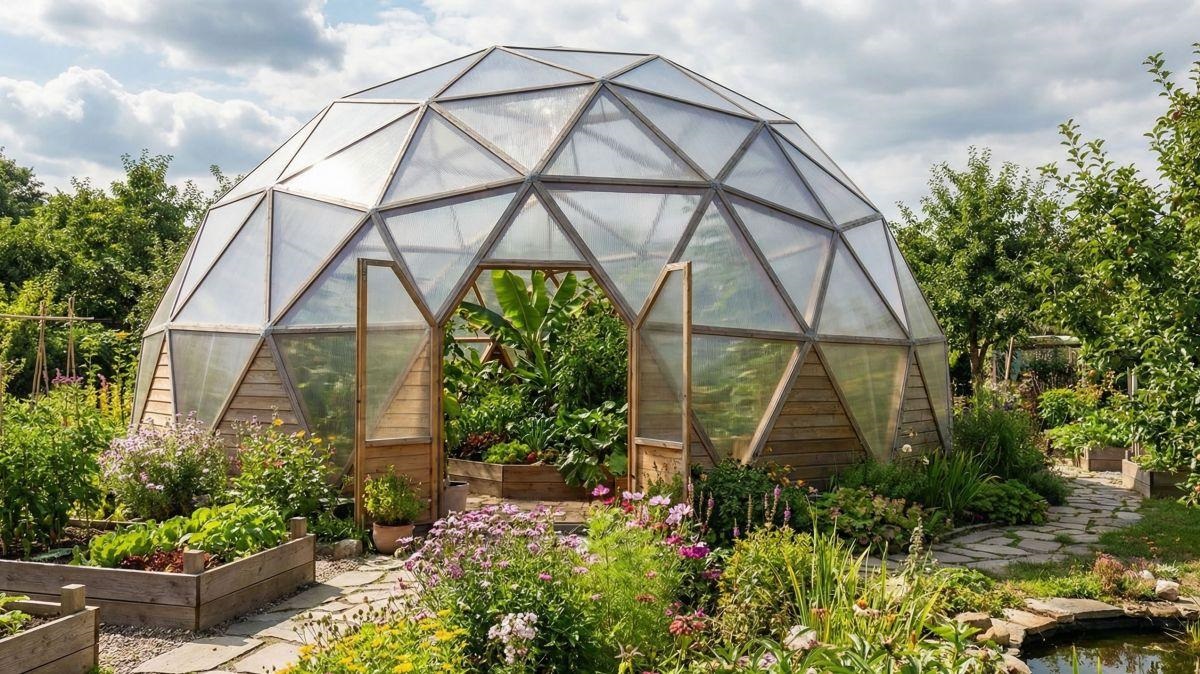
A greenhouse can transform the way you garden by giving plants protection from unpredictable weather while allowing you to extend the growing season. Among the many greenhouse designs available today, the geodesic dome greenhouse stands out for its distinctive geometry, efficient use of space, and potential to perform well in challenging weather conditions.
Instead of relying on a conventional rectangular or arched frame, a geodesic dome uses a network of interconnected triangular sections to create a rounded structure. This design can provide an attractive growing environment while also offering practical advantages for gardeners who want to grow vegetables, herbs, flowers, seedlings, or specialty crops for more of the year.
For U.S. gardeners, however, choosing a dome is about more than appearance. Climate, sunlight, ventilation, snow, wind, foundation design, glazing, irrigation, and crop selection all influence how successful the greenhouse will be.
What Is a Geodesic Dome Greenhouse?
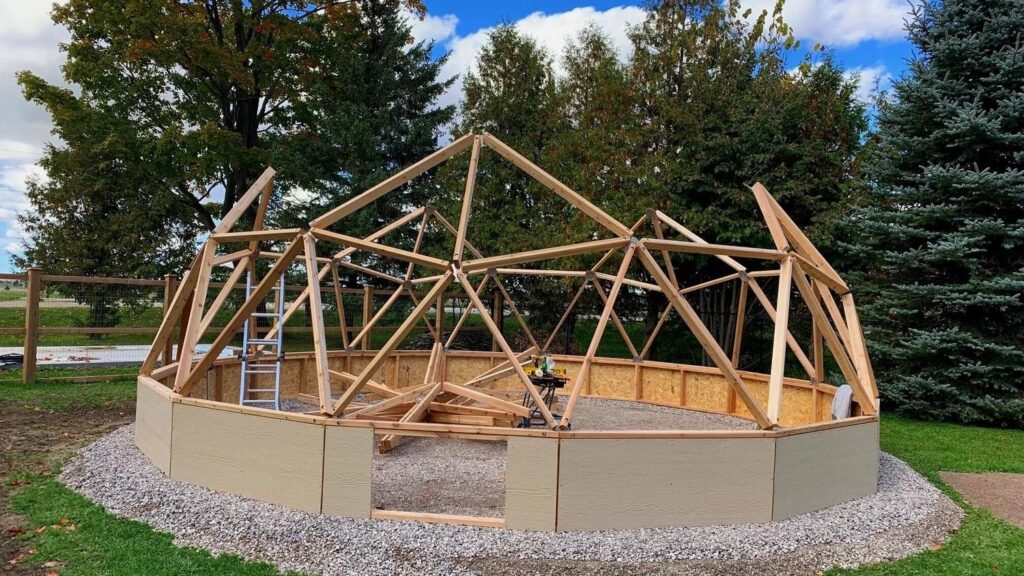
A geodesic dome greenhouse is a greenhouse built around a spherical or partially spherical framework made from interconnected struts and triangular sections. The exterior is typically covered with a transparent or translucent material that allows sunlight into the growing space.
The triangular framework is an important part of the design. Instead of depending primarily on a few large structural members, the loads are distributed through a network of connected components. This geometry is one reason geodesic structures are often considered for areas exposed to wind and snow. University of Alaska Fairbanks
The greenhouse covering can vary considerably. Depending on the design, gardeners may encounter polycarbonate panels, reinforced vinyl, polyethylene-based materials, or other glazing systems. The choice affects light transmission, insulation, durability, maintenance, and overall cost.
A dome can be used as a small backyard greenhouse or as a much larger growing structure. The right size depends on the available land, intended crops, local climate, budget, and how much space is needed for pathways and working areas. Geodesic
Why Choose a Dome Greenhouse?
The biggest advantage of a dome greenhouse is that its structure combines an unusual appearance with useful engineering characteristics.
1. Efficient Structural Geometry
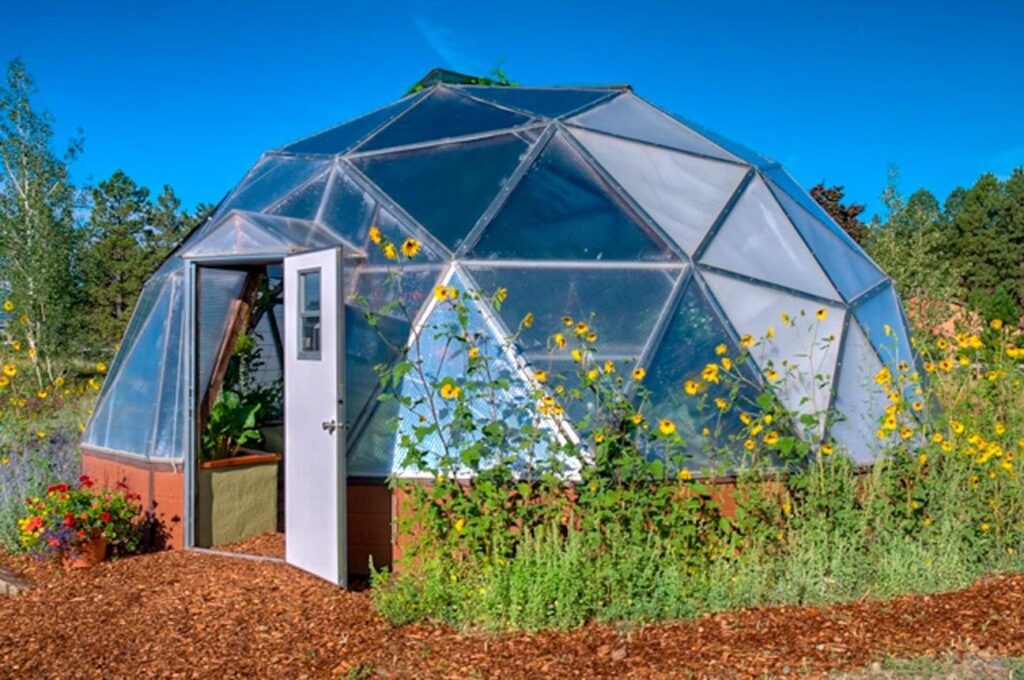
The interconnected triangular framework helps distribute forces across the structure rather than concentrating them at a small number of points. This can be particularly valuable in regions where strong winds, snow, or rapidly changing weather are concerns.
That does not mean every dome can automatically withstand extreme weather. Actual performance depends on engineering, materials, anchoring, foundation construction, dome size, and local conditions. Gardeners should always check the specifications of the particular structure they are considering. Geodesic
2. Potentially Good Light Exposure
Plants need adequate light for photosynthesis, and greenhouse design has a major influence on how sunlight reaches the growing area.
The curved surface of a dome provides glazing at multiple angles. This can help sunlight reach different portions of the interior as the sun moves across the sky. Some commercial dome greenhouse designs specifically use the geometry to optimize sunlight exposure and light distribution. Growing Spaces
However, gardeners should not assume that a dome eliminates the need for thoughtful site selection. Trees, buildings, fences, and other structures can shade a greenhouse, while excessive summer sun can create overheating.
3. A Distinctive Use of Space
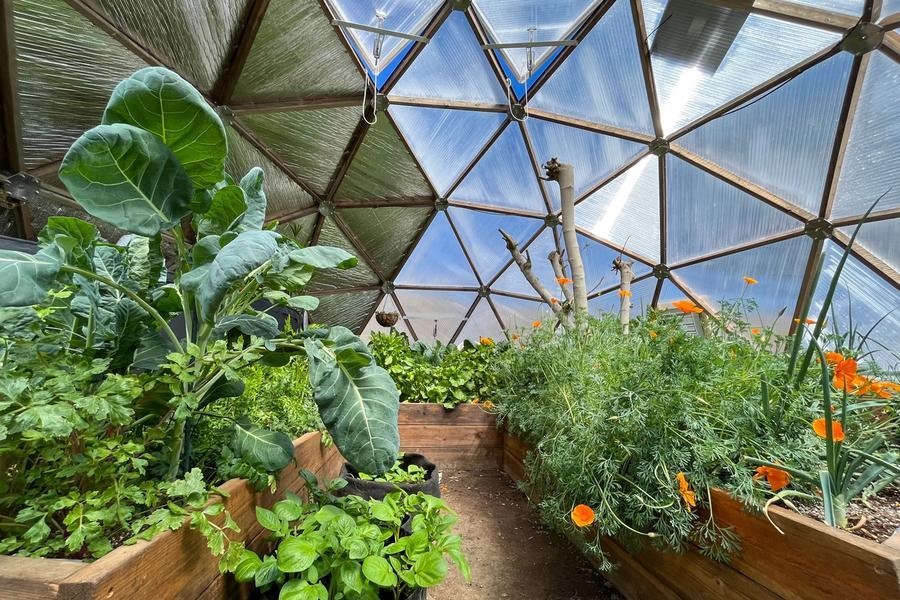
A geodesic greenhouse does not have the same interior layout as a traditional rectangular greenhouse. The curved walls and triangular roof create opportunities for creative garden planning.
Raised beds can follow the shape of the structure, while central pathways can provide access to plants. Shelving, hanging plants, containers, and trellises can also help make use of vertical space.
At the same time, the outer edges may have less headroom than the center. Planning beds and pathways before construction can prevent wasted space.
How to Choose the Right Location
Location is one of the most important decisions you will make. Geodesic
Sunlight
Choose an area with strong exposure to sunlight, while considering how nearby trees and buildings may affect the site throughout the year. University extension guidance recommends considering existing trees and buildings when selecting a greenhouse location because they can influence light availability. UGA Extension
In northern parts of the United States, winter sunlight can be especially valuable. In hotter climates, however, excessive solar gain can become a major challenge.
Drainage
The ground around the greenhouse should drain properly. Standing water can create problems for foundations, pathways, roots, and greenhouse materials.
A level or appropriately prepared foundation also makes construction and long-term maintenance easier.
Wind Exposure
Wind direction and local weather patterns should be considered before installation. A dome’s aerodynamic shape can be beneficial, but anchoring remains critical.
Do not rely on the shape alone. Follow the manufacturer’s foundation and anchoring requirements and consider local building requirements where applicable.
Managing Temperature Inside a Geodesic Dome Greenhouse
One of the most important lessons for any greenhouse owner is that sunlight can rapidly increase interior temperatures.
A greenhouse needs a system for removing excess heat. Extension resources identify ventilation as an essential method for controlling greenhouse temperature and humidity. Natural ventilation can use doors and vents, while mechanical ventilation uses fans. Ask IFAS – Powered by EDIS
Natural Ventilation
Warm air rises, so strategically positioned openings can help hot air escape while cooler outside air enters.
Depending on the dome’s design, vents, windows, doors, or other openings may be used to promote air exchange. The effectiveness of natural ventilation depends heavily on the structure, outdoor temperature, wind, and opening placement.
Mechanical Ventilation
Fans can provide more predictable air movement when natural ventilation is insufficient.
Horizontal airflow fans can circulate air within a greenhouse, while exhaust fans can move warm air outside. Good air circulation also helps reduce stagnant areas and manage humidity around plant foliage. WSU Extension
Automatic controls can make greenhouse management easier by activating ventilation when temperatures reach a predetermined level.
Controlling Humidity and Condensation
Temperature isn’t the only environmental factor that matters. Humidity can also affect plant health.
Plants naturally release moisture into the surrounding air through transpiration. Watering, evaporation, and poor air movement can further increase humidity. When humid air cools, condensation can form on plants and greenhouse surfaces.
University of Florida Extension notes that ventilation helps remove warm, moisture-laden air and maintain more suitable humidity levels. High humidity can create conditions favorable to certain fungal diseases. Ask IFAS – Powered by EDIS
Good circulation is therefore useful even when the greenhouse does not need substantial cooling. Fans can help mix the air and reduce areas where moisture remains trapped.
What Can You Grow in a Dome Greenhouse?
The answer depends on your climate, greenhouse equipment, and growing goals.
Vegetables
A dome can be used for many common garden vegetables, including:
- Tomatoes
- Peppers
- Cucumbers
- Lettuce
- Kale
- Spinach
- Radishes
- Carrots
- Herbs
Warm-season crops generally need more temperature management, particularly during summer.
Herbs and Seedlings
A greenhouse can also provide a protected environment for starting seedlings before outdoor planting. Herbs can benefit from the additional growing space and protection from weather.
Flowers and Specialty Plants
Gardeners interested in ornamental plants, tropical varieties, or unusual crops can use controlled greenhouse conditions to experiment with plants that may struggle outdoors.
The important principle is to select plants according to the environmental conditions you can realistically maintain rather than expecting the greenhouse to create a perfect climate automatically.
Planning the Interior
The best dome greenhouse layouts balance plant space with accessibility.
Raised Beds
Raised beds can make soil management easier and provide defined growing areas. Curved or segmented beds can follow the dome’s geometry.
Pathways
Always leave enough room to walk comfortably between beds. A greenhouse packed entirely with plants may appear productive initially but can become difficult to water, prune, harvest, or maintain.
Vertical Growing
Trellises and shelves can help take advantage of the higher central area of a dome. Tomatoes, cucumbers, climbing beans, and ornamental vines may benefit from vertical support where appropriate.
Water and Irrigation
Plan irrigation before filling the greenhouse with plants. Drip irrigation, soaker systems, hand watering, or other approaches can be used depending on the garden’s size and crop requirements.
How to Make a Geodesic Dome Greenhouse More Efficient
Efficiency comes from managing the entire growing environment rather than relying on the dome’s shape alone.
Start by selecting a suitable site and appropriate glazing. Then consider ventilation, internal air circulation, shading, insulation where appropriate, irrigation, and temperature monitoring.
In colder parts of the country, heating may be necessary for certain crops. In warmer areas, shading and ventilation can become more important than heating.
A greenhouse is ultimately a controlled environment. University of Georgia Extension emphasizes that successful greenhouse production depends on managing light, temperature, humidity, heating, cooling, and ventilation. CAES Field Report
Is a Geodesic Dome Greenhouse Right for You?
A dome may be a strong choice if you want a greenhouse that combines a distinctive appearance with a highly interconnected structural design.
It can be especially appealing to gardeners who:
- Want to extend their growing season
- Have limited outdoor growing opportunities
- Live in an area where wind or snow is an important design consideration
- Want a visually distinctive garden structure
- Enjoy experimenting with controlled-environment gardening
- Want to grow vegetables, herbs, flowers, or seedlings under protection
It may not be ideal for every gardener. A conventional greenhouse can offer simpler rectangular layouts, familiar shelving arrangements, and potentially easier use of standard greenhouse equipment.
The best option depends on your location, crops, available space, and budget.
Common Mistakes to Avoid
Ignoring Ventilation
One of the most common greenhouse mistakes is focusing heavily on construction while underestimating ventilation.
A closed greenhouse can become dangerously hot during sunny weather. Plan ventilation before installation rather than adding it as an afterthought.
Choosing the Site Based Only on Appearance
A beautiful backyard location is not necessarily a good greenhouse location. Check sunlight, drainage, wind exposure, access to water, and proximity to electricity if equipment requires it.
Overcrowding the Interior
More plants do not always mean a better harvest. Overcrowding can restrict airflow and make watering, pruning, pest monitoring, and harvesting harder.
Assuming the Dome Is Maintenance-Free
Even a durable greenhouse requires inspection and maintenance. Check the frame, fasteners, glazing, seals, doors, vents, fans, irrigation equipment, and foundation regularly.
Frequently Asked Questions
1. What is a geodesic dome greenhouse?
It is a greenhouse built around a geodesic dome framework, typically made from interconnected triangular structural sections and covered with transparent or translucent glazing.
2. Are geodesic dome greenhouses good for winter?
They can support winter growing, but performance depends on climate, glazing, insulation, heating, sunlight, crop selection, and ventilation. A dome should not automatically be considered a heated winter greenhouse.
3. Can a dome greenhouse handle strong winds?
The interconnected dome geometry can provide structural advantages in windy conditions, but actual wind resistance depends on the specific design, materials, foundation, anchoring, and engineering. Always verify the manufacturer’s rated conditions.
4. Do dome greenhouses get too hot?
They can. Like other greenhouses, domes receive solar radiation and can experience significant temperature increases. Proper ventilation, airflow, shading, and climate controls are important. Ask IFAS – Powered by EDIS
5. What vegetables can I grow in a dome greenhouse?
Common choices include tomatoes, peppers, cucumbers, lettuce, kale, spinach, carrots, radishes, and herbs. Crop selection should match the temperatures and humidity levels you can maintain.
6. How should I ventilate a dome greenhouse?
Use the ventilation system designed for the specific dome. Depending on its size and design, this may include passive vents, doors, exhaust fans, or automated controls. Internal circulation fans can also help maintain more uniform conditions.
7. Is a dome greenhouse better than a traditional greenhouse?
Not universally. A dome can offer structural and spatial advantages, while conventional greenhouses may provide simpler layouts and familiar equipment options. Climate, budget, crops, and available space should determine the choice.
8. How do I plan a dome greenhouse?
Start with your climate and growing goals. Then evaluate sunlight, drainage, foundation requirements, size, glazing, ventilation, irrigation, heating or cooling needs, interior layout, and local requirements before purchasing or building.
Conclusion
A geodesic dome greenhouse can be much more than an eye-catching addition to a backyard. Its interconnected triangular structure, curved form, flexible interior, and potential for efficient light exposure make it an interesting option for gardeners who want to extend the growing season and create a protected environment for plants.
However, the dome itself is only one part of successful greenhouse gardening. Proper site selection, ventilation, humidity management, temperature control, irrigation, crop selection, and regular maintenance all play important roles.
For gardeners considering a dome project, the best approach is to begin with the local climate and intended crops, then choose a structure and greenhouse systems that match those requirements. With thoughtful planning, a dome can become a productive, practical, and enjoyable growing space for many seasons

Written by Twastia Editorial Team
Twastia Editorial Team shares practical insights about website design, SEO services, Google Ads, content marketing, social media, conversion rate optimization, and digital marketing strategy.
Last updated: Oct 16, 2026
Related posts from Twastia
Explore more useful articles from twastia.com about digital marketing, SEO, websites, ads, content, and growth strategy.