Integrating Any Digital Tool into a Standard Learning Routine: A Complete Guide for Educators
Technology has become an important part of modern education, offering new ways to engage students, organize lessons, and support collaboration. […]
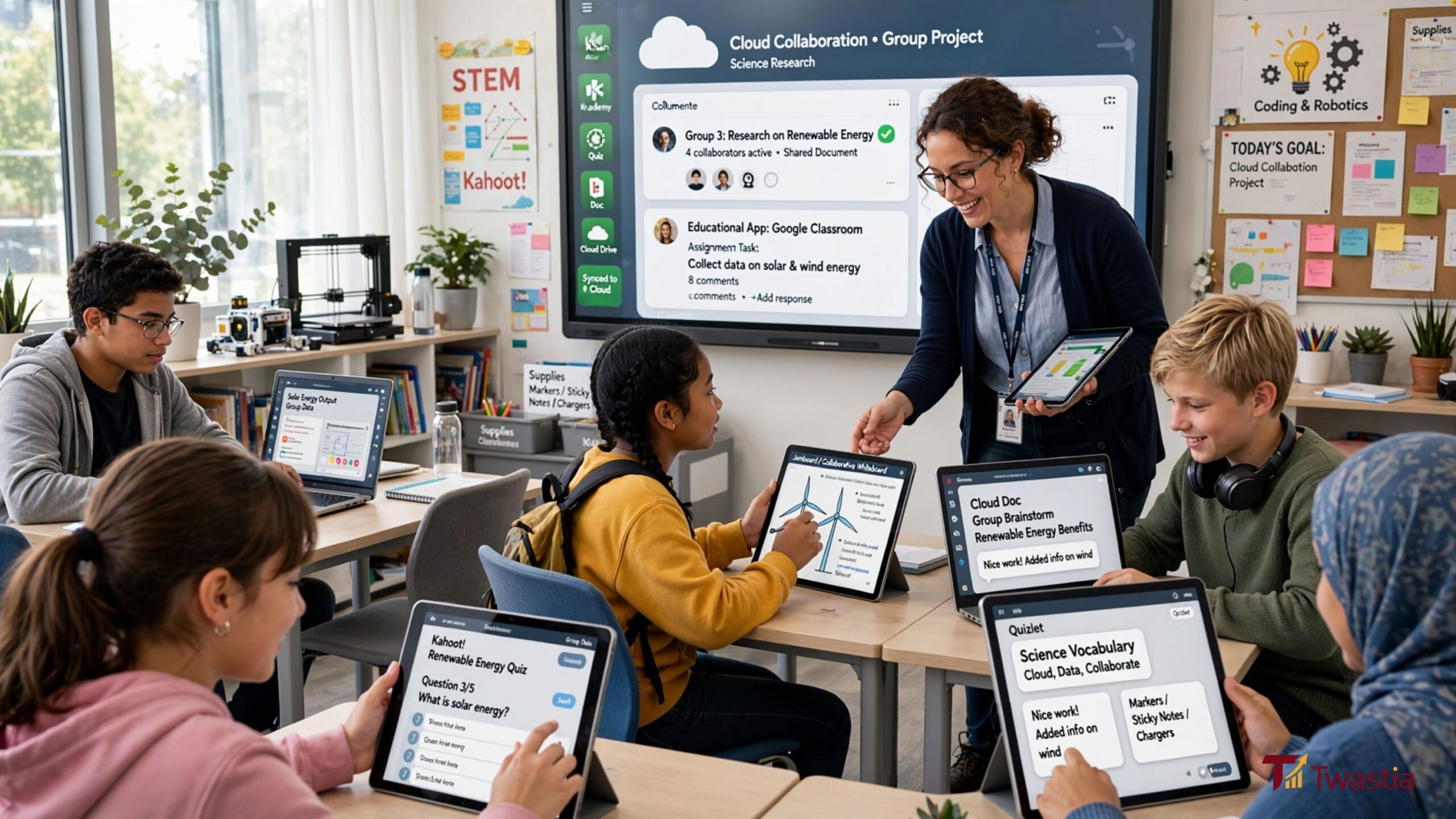
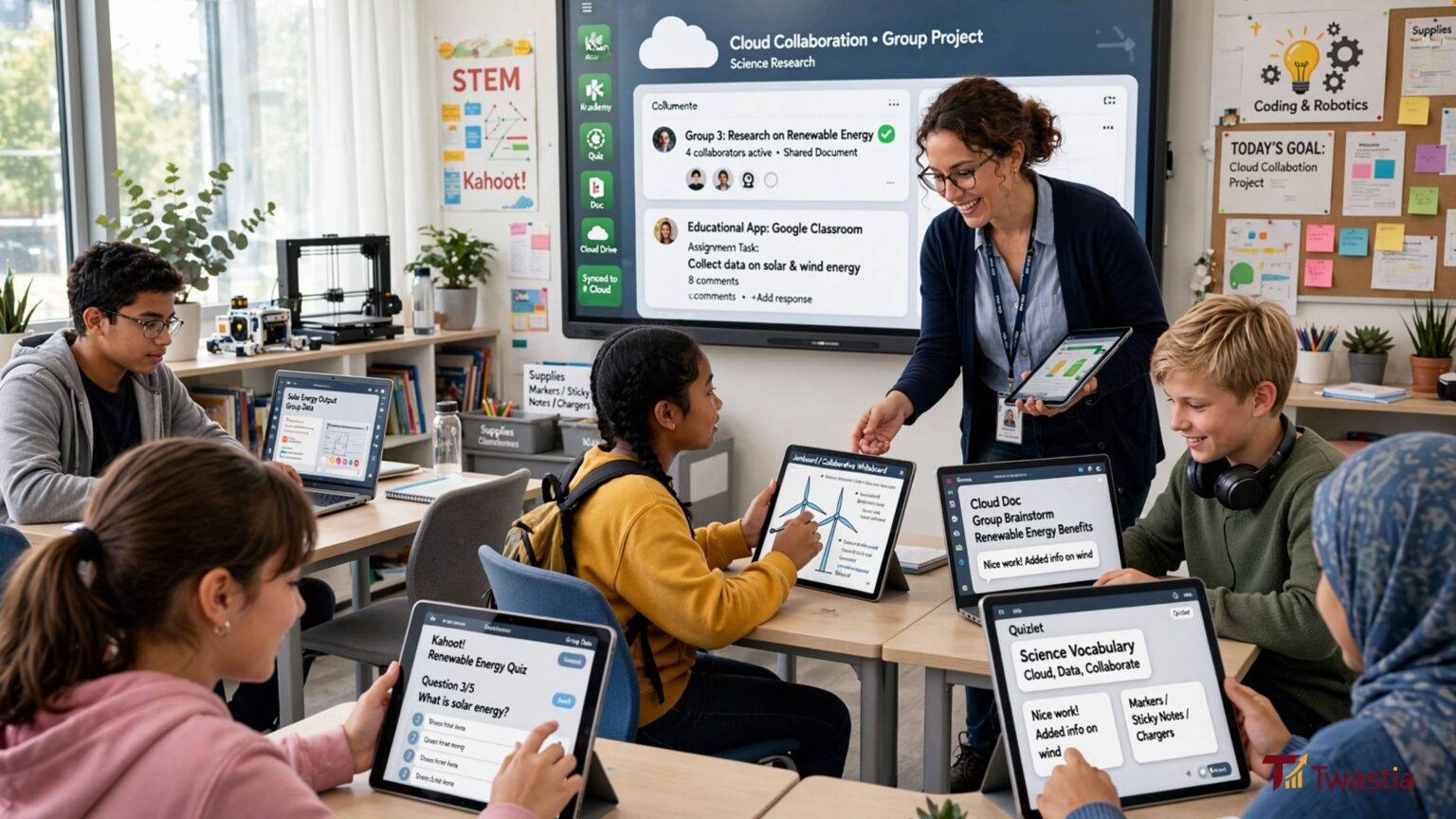
Technology has become an important part of modern education, offering new ways to engage students, organize lessons, and support collaboration. However, simply introducing technology into the classroom does not automatically improve learning. Successfully integrating any digital tool into a standard learning routine requires thoughtful planning, clear educational objectives, and consistent implementation that complements existing teaching practices.
Whether you’re using learning management systems, collaboration platforms, AI-powered educational tools, interactive quizzes, or digital note-taking applications, the goal should always be to enhance learning rather than replace effective instruction. This guide explores practical strategies for integrating digital tools into everyday teaching while supporting student success and maintaining meaningful classroom experiences.
Why Integrating Any Digital Tool into a Standard Learning Routine Matters
Digital tools can support both teachers and students by making learning more interactive, organized, and accessible. When integrated thoughtfully, technology can help reinforce lessons, encourage collaboration, and provide additional learning opportunities without disrupting established educational practices.
Potential benefits include:
- Increased student engagement
- Better organization
- Improved collaboration
- Flexible learning opportunities
- Faster feedback
- Enhanced accessibility
The effectiveness of any tool depends on how it is used and whether it aligns with learning objectives.
Understanding Educational Goals Before Technology
Before selecting a digital tool, educators should identify what they want students to achieve.
Ask questions such as:
- What learning problem am I trying to solve?
- Will this tool improve understanding?
- Does it support curriculum objectives?
- Is it appropriate for my students’ age and skill level?
Technology should serve educational goals rather than becoming the primary focus of the lesson.
Choosing the Right Digital Tool
Different tools support different instructional needs.
Examples include:
- Learning management systems
- Digital whiteboards
- Collaboration platforms
- Video conferencing software
- Interactive assessment tools
- AI-assisted learning applications
- Educational games
- Digital note-taking platforms
Select tools based on classroom objectives rather than popularity.
Steps for Integrating Any Digital Tool into a Standard Learning Routine
Start with Small Changes
Introducing one new tool at a time helps both teachers and students adapt more comfortably.
Rather than redesigning every lesson, begin with one activity such as:
- Homework submission
- Class discussions
- Digital quizzes
- Collaborative note-taking
Gradual implementation often leads to smoother adoption.
Maintain Consistent Classroom Routines
Technology works best when it becomes a natural part of existing classroom procedures.
For example:
- Begin each lesson with a digital attendance check.
- Share lesson materials through a learning platform.
- End class with a short digital reflection activity.
Consistency helps students develop confidence using the technology.
Provide Clear Instructions
Students benefit from step-by-step guidance when learning new digital tools.
Include:
- Demonstrations
- Written instructions
- Practice activities
- Time for questions
Clear expectations reduce confusion and improve participation.
Supporting Student Engagement
Digital tools can encourage active learning through interactive activities.
Examples include:
- Live polls
- Group projects
- Virtual discussions
- Interactive simulations
- Multimedia presentations
Engagement should focus on learning outcomes rather than technology itself.
Encouraging Collaboration
Many digital platforms allow students to work together regardless of location.
Collaborative activities may include:
- Shared documents
- Group presentations
- Peer review
- Brainstorming sessions
- Team research projects
Teachers should establish clear expectations for communication and participation.
Assessment and Feedback
Technology can support ongoing assessment through:
- Online quizzes
- Assignment tracking
- Digital portfolios
- Progress monitoring
- Automated feedback
While digital tools may streamline parts of the assessment process, teacher evaluation remains an important component of student learning.
Accessibility Considerations
When selecting digital tools, educators should consider accessibility features such as:
- Screen reader compatibility
- Captioned videos
- Adjustable text size
- Keyboard navigation
- Color contrast options
Accessible learning environments help support students with diverse learning needs.
Challenges of Integrating Digital Tools
Educators may encounter challenges including:
- Limited device availability
- Internet connectivity issues
- Student digital literacy
- Teacher training needs
- Classroom distractions
Planning ahead and providing ongoing support can help address these challenges.
Best Practices for Long-Term Success
To successfully integrate digital tools into daily instruction:
- Align technology with learning objectives.
- Keep classroom routines consistent.
- Offer regular training for students.
- Evaluate tool effectiveness periodically.
- Encourage responsible digital citizenship.
- Balance digital and traditional learning methods.
Technology should complement—not replace—effective teaching practices.
The Role of Teachers
Teachers remain central to the learning process.
Digital tools assist with:
- Organization
- Communication
- Resource sharing
- Assessment
- Collaboration
However, professional judgment, instructional expertise, and meaningful student interaction continue to play the most important role in education.
Future Trends in Digital Learning
Education continues to evolve through technologies such as:
- Artificial intelligence
- Adaptive learning platforms
- Virtual reality
- Augmented reality
- Learning analytics
- Personalized education
As these technologies develop, successful implementation will continue to depend on thoughtful instructional design and student-centered learning.
Frequently Asked Questions
1. Why is integrating any digital tool into a standard learning routine important?
It helps create consistent learning experiences while improving organization, engagement, collaboration, and access to educational resources.
2. How should teachers choose digital tools?
Teachers should select tools that align with curriculum objectives, support student learning, and are appropriate for their classroom environment.
3. Can digital tools replace traditional teaching?
No. Digital tools are designed to support instruction, while teachers continue to provide guidance, expertise, and meaningful classroom interaction.
4. What challenges may occur during implementation?
Common challenges include technology access, internet reliability, training requirements, student familiarity with digital platforms, and classroom management.
5. How can schools improve digital learning?
Schools can provide professional development, reliable technology infrastructure, technical support, and clear digital learning policies.
6. What is the best way to introduce a new digital tool?
Start with a single classroom activity, provide clear instructions, allow students time to practice, and gradually expand its use as confidence grows.
Conclusion
Successfully integrating any digital tool into a standard learning routine requires more than simply adopting new technology. It involves selecting tools that support educational goals, introducing them gradually, maintaining consistent classroom practices, and ensuring that both teachers and students receive the guidance they need. When used thoughtfully, digital tools can enhance collaboration, improve organization, support personalized learning, and make educational experiences more engaging. By keeping pedagogy at the center of every technology decision, educators can create learning environments that combine the strengths of traditional teaching with the opportunities offered by modern digital resources.

Written by Twastia Editorial Team
Twastia Editorial Team shares practical insights about website design, SEO services, Google Ads, content marketing, social media, conversion rate optimization, and digital marketing strategy.
Last updated: Jul 18, 2026
Related posts from Twastia
Explore more useful articles from twastia.com about digital marketing, SEO, websites, ads, content, and growth strategy.