Zawyeh Store: 9 Powerful Ways to Avoid Costly Art-Buying Mistakes
Shopping through Zawyeh Store gives collectors, design enthusiasts and culturally curious buyers access to Palestinian art prints, posters, photography, limited editions, books, […]
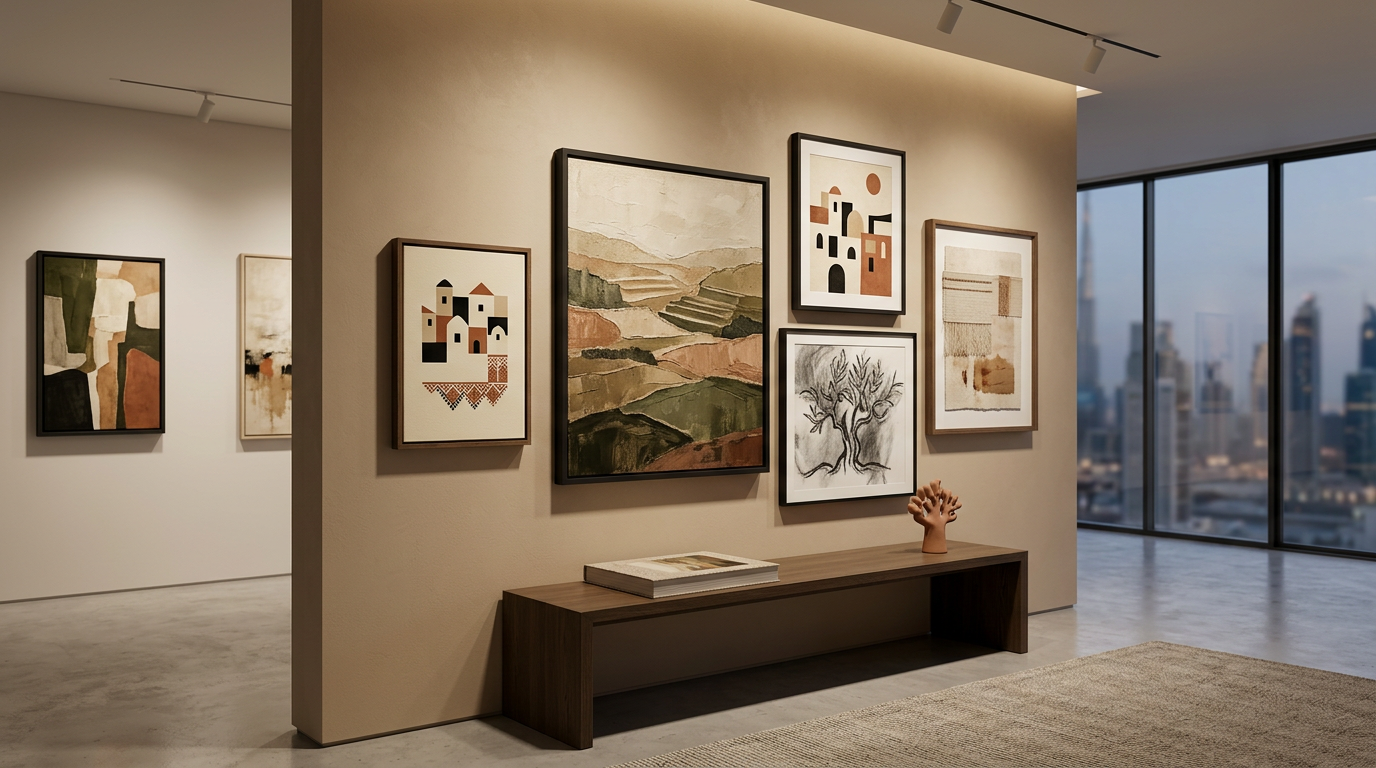
Shopping through Zawyeh Store gives collectors, design enthusiasts and culturally curious buyers access to Palestinian art prints, posters, photography, limited editions, books, canvas works and sculptures. Buying art online can be rewarding, but screen colour, edition details, paper specifications, framing, shipping and customs all influence the final experience. A thoughtful buyer should understand exactly what is being purchased, how the work was produced and what care it requires after delivery. This guide explains how to compare art formats, evaluate limited editions, choose the right scale and protect artwork during display and storage.
What Is Zawyeh Store?
Zawyeh Store is a Dubai-based online destination focused on Palestinian art and visual culture. According to its website, the catalogue includes affordable posters, fine-art reproductions, limited editions, rare prints, photography, canvas prints, UV prints, silkscreen works, books and sculptures.
The store presents work connected to Palestinian artists, culture, history and contemporary creativity. Some products are designed as accessible decorative posters, while others are collectible editions with specific paper, printing, edition size and signature details.
These categories should not be evaluated in the same way. A poster can be a high-quality and meaningful design object without being a signed limited edition. A limited print may command a higher price because of the artist’s involvement, scarcity, materials and documentation.
Zawyeh Store customers should review each product description rather than assume that every item has identical production, collectibility or care requirements.
Why Palestinian Art Appeals to Global Collectors
Palestinian art includes a wide range of approaches, from landscape, memory and identity to abstraction, portraiture, photography and experimental contemporary work. It cannot be reduced to one style or symbol.
Collectors may be drawn to:
- Cultural connection
- Artist narratives
- Visual quality
- Contemporary Middle Eastern art
- Printmaking techniques
- Photography
- Social and historical themes
- Interior-design value
- Support for artists and cultural initiatives
- Building a focused collection
Zawyeh Store allows buyers in different countries to discover art without attending a physical exhibition. Online access broadens reach, but it also makes detailed product information essential.
Art should be purchased because it has personal, cultural or aesthetic meaning—not because future value is guaranteed. Markets change, and even limited editions may not appreciate financially.
9 Ways to Buy Art From Zawyeh Store With Confidence
A careful process helps buyers select work that suits both the space and the collection.
1. Understand the Artwork Format
The first step is identifying what kind of object is being sold. Product categories can sound similar while differing significantly in production and value.
Poster
Usually an open-edition printed image intended for affordable display. It may use quality paper but typically is not numbered or signed unless stated.
Fine-art reproduction
A printed interpretation of an existing artwork. Paper, colour management and printing method affect quality.
Limited-edition print
Produced in a defined quantity, often numbered and sometimes signed. The artist may be directly involved in approval or production.
Silkscreen
Created through a screen-printing process that applies ink in layers. Handmade variation may occur.
Photography print
A photographic work produced at a stated size and medium. Edition and signature details vary.
Canvas or UV print
Printed on canvas or a rigid substrate using a specified process. These may be decorative or collectible depending on artist and edition information.
Sculpture
A three-dimensional work requiring dimensions, material, weight, edition and shipping review.
Zawyeh Store buyers should not use “print” as a single quality category. Read the full specifications for each work.
2. Check Edition, Signature and Documentation
Limited editions should state the total number produced. A notation such as 12/50 generally indicates the twelfth print in an edition of fifty. Artist’s proofs may use marks such as AP and sit outside or alongside the numbered edition.
Ask whether the work is:
- Hand signed
- Plate signed
- Numbered
- Embossed or stamped
- Accompanied by a certificate
- Shipped with an invoice identifying the artwork
- Part of a stated edition plus proofs
A digital image of a signature is not the same as an original hand signature. The product description should make the distinction clear.
Zawyeh Store listings for collectible work may identify paper, edition size and signature status. Retain every document, label and package insert. Documentation supports ownership history and helps future framing, insurance or resale discussions.
Do not write on the artwork or attach receipts directly to it. Store records separately in an archival folder.
3. Review Paper, Ink and Printing Method
Materials influence texture, colour, ageing and framing. Fine-art papers may be made from cotton rag, alpha cellulose or other fibres and are often described by weight in grams per square metre.
A heavier paper can feel substantial, but weight alone does not establish archival quality. Look for information about acidity, coating, optical brighteners and manufacturer when preservation matters.
Printing methods can include:
- Pigment inkjet or aqueous fine-art printing
- Dye-based inkjet
- Offset lithography
- Silkscreen
- Digital UV printing
- Photographic processes
Zawyeh Store buyers should match expectations to the method. Silkscreen prints can show physical ink layers and slight edition variation. Fine-art inkjet printing can reproduce complex colour and detail. Posters may use efficient commercial processes designed for affordability.
“Archival” is not a permanent guarantee. Longevity depends on ink, paper, light, humidity, pollutants and framing.
4. Confirm the Actual Size
Online product images can make a print look larger than it is. Room mockups may not be perfectly to scale.
Check whether dimensions refer to:
- Paper size
- Image size
- Framed size
- Canvas size
- Sculpture dimensions
- Size including a white border
Use painter’s tape or paper templates to mark the dimensions on the wall. View them from the normal seating or entry position.
Zawyeh Store customers should also account for matting and frame width. A modest print can become substantially larger after a wide mat and frame are added.
For a gallery wall, measure the complete arrangement and consistent spacing. For a work above furniture, consider the relationship between artwork width and the item below it.
Always use the listed centimetres or inches rather than estimating from a photograph.
5. Evaluate Colour on More Than One Screen
Screens display colour differently based on calibration, brightness and ambient light. A deep green or warm neutral may look cooler on another device.
Review the artwork on a second screen when colour matching is important. Read the description for dominant tones and request clarification if a shade will determine whether the work suits the room.
Zawyeh Store product photography may show the art alone and in context. The artwork-only image is usually more useful for colour, while room mockups help with visualisation.
Printed colour can also differ because a screen emits light while paper reflects it. Matte paper reduces glare but may look less luminous than a backlit display.
Avoid choosing art solely because it matches a cushion or wall paint exactly. A work with broader personal meaning remains satisfying even when the room changes.
6. Plan Framing Before Ordering
Framing protects art and changes its appearance. The correct method depends on the medium, value and intended display.
For works on paper, consider:
- Acid-free mat and backing
- Conservation mounting
- UV-filtering glazing
- Spacers
- Reversible hinges
- Frame depth
- Border visibility
The artwork should not be permanently glued to ordinary board if preservation matters. Pressure-sensitive tapes and household adhesives can stain paper.
Zawyeh Store buyers can ask whether a piece is sold framed or unframed and whether it ships flat or rolled. If it is rolled, allow a professional framer to relax and flatten it safely.
Canvas prints may be stretched, unstretched or framed. Sculptures need stable display surfaces and may require professional installation.
Framing cost can equal or exceed the print price, so include it in the budget before purchasing.
7. Understand Shipping, Customs and Returns
International art shipping involves packaging, tracking, customs, taxes and possible carrier delays. The buyer should know who pays import charges and what happens if the package is damaged.
Review:
- Processing time
- Shipping method
- Tracking
- Insurance
- Signature requirement
- Customs documentation
- Import duties and taxes
- Return window
- Return-shipping responsibility
- Exclusions for limited editions or sculptures
Zawyeh Store advertises worldwide shipping, but service availability, cost and delivery time vary by destination and item size.
Inspect the package immediately. Photograph exterior damage before opening, then document the artwork and packaging. Keep all materials until the claim or return period has passed.
Do not frame a damaged item before contacting the store because alteration may affect claim eligibility.
8. Verify Display Conditions
Light, humidity, heat and pollutants can affect art. Direct sun can fade ink and discolour paper. High humidity can encourage mould or cause cockling, while very dry conditions can make some materials brittle.
Avoid displaying works:
- In direct sun
- Against a damp wall
- Above a strong heat source
- Near cooking grease
- In an unventilated bathroom
- Where condensation occurs
- In reach of repeated physical contact
Zawyeh Store paper prints generally benefit from conservation framing and stable indoor conditions. UV-filtering glazing reduces exposure but does not make direct sun safe indefinitely.
Sculptures and canvas works also need suitable support and environmental care. Material-specific instructions should take priority.
Rotate vulnerable work or use lower-light spaces when preservation is important.
9. Build a Meaningful Collection, Not a Random Wall
A collection gains coherence through a personal point of view. It can focus on one artist, theme, medium, colour language, generation or geographic connection.
Begin by noting which works hold attention after repeated viewing. Read artist biographies and artwork descriptions. Avoid buying only because an item is labelled rare or limited.
Zawyeh Store provides access to different price levels and media, which can support gradual collecting. A poster can sit beside a signed print when framing and visual relationships are handled thoughtfully.
Keep a collection inventory with:
- Artist
- Title
- Medium
- Dimensions
- Edition
- Signature
- Purchase date
- Invoice
- Certificate
- Condition photographs
- Framing details
A meaningful collection reflects curiosity and sustained engagement, not simply spending.
Zawyeh Store Posters vs. Limited-Edition Prints
Posters and limited editions serve different purposes.
Posters
Posters make visual culture accessible. They are ideal for students, first-time buyers, temporary spaces and large gallery walls. They may reproduce an artwork or present an original graphic design.
A poster can be beautifully printed and framed, but it generally does not have the scarcity or artist-signature characteristics of a limited edition.
Limited editions
Limited prints are produced in a defined quantity. Artist involvement, signing, paper and process can support collectibility. Edition size is one factor, not the only factor.
A smaller edition is not automatically better. Artist significance, image quality, condition, provenance and market interest all matter.
Zawyeh Store buyers should select based on purpose. Choose a poster for affordable visual impact and a limited edition when authorship, material and scarcity are meaningful to the collection.
Zawyeh Store Canvas and UV Prints
Canvas creates a different surface from paper. Texture can soften fine detail and make an image feel closer to a painting. Canvas may be sold stretched around a frame or as an unstretched piece.
Ask about:
- Canvas material
- Printing method
- Protective coating
- Stretcher depth
- Edge treatment
- Hanging hardware
- Framing requirement
UV printing cures ink using ultraviolet light and can be used on rigid or varied substrates. It can provide strong colour and durability, but the final appearance depends on surface and finish.
Zawyeh Store product pages should be reviewed for exact medium. “Canvas” and “UV print” describe processes or supports, not a uniform level of collectibility.
Clean these works only according to material guidance. Avoid household sprays and wet cloths unless specifically approved.
Zawyeh Store Photography Prints
Photography prints can be open edition or limited, signed or unsigned, and produced through different processes.
Important details include:
- Photographer
- Title
- Capture date where relevant
- Print date
- Edition
- Paper or substrate
- Printing process
- Image dimensions
- Border
- Signature
- Certificate
A photograph’s meaning can be connected to place, history, documentation or artistic interpretation. Buyers should read context without assuming the image is a neutral record.
Zawyeh Store photography buyers should use conservation framing and avoid direct sun. Dark photographic areas can show reflections under glossy glazing, so museum-quality anti-reflective options may improve viewing.
Zawyeh Store Silkscreen Prints
Silkscreen uses mesh screens and stencils to transfer ink, often one colour layer at a time. The process can produce saturated colour and a tangible ink surface.
Slight variations in registration and ink can occur within an edition. These may be normal characteristics rather than defects.
When evaluating a silkscreen, check:
- Number of colours
- Paper
- Edition size
- Signature
- Printer or studio
- Condition
- Deckled or cut edges
Zawyeh Store silkscreens should be handled by the edges with clean, dry hands or suitable gloves. Do not stack unprotected prints because ink surfaces can rub.
A float frame can show deckled edges, but mounting must remain conservation appropriate.
Zawyeh Store Rare Prints and Collectible Works
“Rare” should be supported by context. It may refer to a small edition, sold-out work, older publication, unusual proof or limited availability.
Before buying, ask:
- What makes the item rare?
- Is the edition complete and documented?
- Is the artist signature original?
- What is the condition?
- Has the work been framed previously?
- Is a certificate included?
- Are there repairs or foxing?
Zawyeh Store buyers should request condition clarification for higher-value pieces. Small handling marks can be acceptable in older prints, but undisclosed damage affects value and framing.
Art should not be promoted as a guaranteed investment. Purchase decisions should prioritise aesthetic and cultural importance, with financial appreciation treated as uncertain.
Zawyeh Store Books and Art Publications
Art books can provide context that individual prints cannot. They may include essays, artist interviews, exhibition history and reproductions.
Check:
- Author and editor
- Publisher
- Language
- Page count
- Dimensions
- Binding
- Edition
- Signed status
- Shipping weight
Books can also be displayed with art, but prolonged open display can strain binding and fade pages. Use a proper book stand and rotate the displayed spread.
Zawyeh Store publications can help new collectors understand artists and themes before purchasing larger work. A book is also a practical gift when artwork size or taste is uncertain.
How to Choose Palestinian Art for a Room
Start with the artwork, then coordinate the room—not the other way around.
Living room
Choose a work with enough scale for the viewing distance. One large piece can create calm, while a gallery arrangement supports variety.
Bedroom
Softer palettes and intimate scale may create a reflective environment. Avoid hanging heavy pieces above a bed without professional anchoring.
Dining room
Bold colour and narrative work can support conversation. Protect art from steam, grease and direct heat.
Office
Photography, abstraction and landscape can add identity without overwhelming work areas. Position glazing to avoid monitor and window reflections.
Commercial space
Review public-display safety, mounting, insurance, copyright and cultural context. Artwork selection should be thoughtful rather than decorative tokenism.
Zawyeh Store works can be combined across media if frames and spacing create visual cohesion.
Framing Palestinian Art Prints
Frames do not need to imitate cultural motifs. Simple, conservation-minded framing often allows the work to speak clearly.
Popular approaches include:
Natural wood frame
Adds warmth and works with landscapes, earth tones and contemporary prints.
Black frame
Creates strong definition and suits photography, graphic work and monochrome pieces.
White frame
Feels light and modern, especially on coloured walls.
Metal frame
Provides a slim profile for contemporary interiors.
Mat colour should relate to the paper rather than automatically being bright white. A warm off-white mat can look better with natural cotton paper.
For Zawyeh Store limited editions, ask the framer to preserve all signatures, edition numbers and embossing. Do not trim the sheet to fit a standard frame.
How to Care for Artwork From Zawyeh Store
Paper prints
Keep under suitable glazing, away from direct sun and damp walls. Dust the frame, not the artwork surface.
Canvas
Use a soft dry brush or conservation method approved for the coating. Avoid pressure and cleaners.
Photography
Control light and humidity. Handle only by the edges and use archival sleeves for storage.
Silkscreen
Protect the ink surface from abrasion. Do not place unprotected sheets face to face.
Sculpture
Use stable supports and protect against tipping. Follow material-specific cleaning guidance.
Zawyeh Store customers should retain packaging for moves or return shipping. Art should be transported upright and protected from temperature extremes and moisture.
International Shipping and Customs
International buyers should budget beyond the product price. Import duties, value-added tax, customs-broker fees and carrier charges can apply.
The classification and declared value should accurately describe the artwork. Buyers should not request undervaluation, which can violate law and reduce insurance recovery after loss.
Large framed works and sculptures may need wooden crates or specialist art logistics. Rolled paper prints are usually more economical to ship but require professional flattening.
Before ordering from Zawyeh Store, confirm:
- Destination availability
- Carrier
- Tracking
- Insurance
- Customs responsibility
- Packaging method
- Delivery signature
- Damage-report deadline
Keep the shipping invoice and import records with the artwork documentation.
Art as a Gift
Art can be a meaningful gift when the recipient has a connection to the artist, subject or cultural context. It can also be difficult because taste and available wall space are personal.
Safer gift choices include:
- A smaller poster
- An art book
- A gift card if available
- A print from an artist the recipient already follows
- An unframed work that allows personal frame selection
Check return rules before gifting. Include the artist biography and product documentation rather than removing all labels.
A Zawyeh Store artwork should be presented respectfully. Avoid describing culturally significant work only as matching room décor.
How Much Does Art From Zawyeh Store Cost?
Price varies by artist, medium, edition, signature, size, material and rarity. Posters can provide affordable access, while signed limited editions and sculptures generally cost more.
The complete budget may include:
- Artwork
- Shipping
- Insurance
- Customs or tax
- Framing
- Installation
- Conservation materials
- Future insurance
Compare works within the same category. A poster price should not be judged against a signed silkscreen as though the objects are equivalent.
Zawyeh Store buyers should understand return and damage policies before purchasing expensive or international items. For significant works, retain invoices and consider insurance advice.
Common Online Art-Buying Mistakes
Ignoring the medium
A poster, canvas print and signed edition are different objects even when they show the same image.
Assuming room mockups are perfectly scaled
Measure the listed dimensions on the actual wall.
Forgetting framing cost
Conservation framing can be a substantial part of the budget.
Exposing art to direct sun
UV-filtering glazing reduces but does not eliminate fading risk.
Discarding certificates and packaging
Documentation and safe packing materials are useful for ownership and transport.
Confusing rarity with guaranteed value
Limited supply does not ensure market appreciation.
Using household tape or glue
Non-archival adhesives can stain and permanently damage paper.
Delaying a damage report
Shipping claims often have short notification windows. Inspect immediately.
Questions to Ask Before Ordering
- Is the work a poster, reproduction or limited edition?
- Is it signed and numbered by hand?
- What is the edition size?
- Which paper or substrate is used?
- What printing method produced it?
- Do dimensions refer to paper or image size?
- Is the work framed?
- How will it be packaged?
- Is shipment insured?
- Who pays customs charges?
- What is the return policy?
- What documentation is included?
Zawyeh Store product details should answer many of these questions, while customer service can clarify the rest.
Conclusion
Zawyeh Store gives global audiences access to Palestinian art through posters, prints, photography, books, canvas, silkscreen and sculpture. The catalogue offers both accessible décor and more specialised collectible works, so buyers should examine the exact medium, edition, signature, paper and production method.
Before purchasing, measure the display space, plan framing and review shipping, customs, insurance and return terms. Limited-edition documentation should be retained, and works on paper should be displayed with conservation-minded materials away from direct sun and moisture.
The most rewarding Zawyeh Store purchase is one selected for lasting personal, cultural or aesthetic meaning. Thoughtful research protects the artwork and helps the buyer build a coherent collection while engaging more deeply with Palestinian artists and visual culture.
FAQs
1. What does Zawyeh Store sell?
Zawyeh Store offers Palestinian art posters, fine-art reproductions, limited editions, photography, canvas and UV prints, silkscreens, books, rare prints and sculptures.
2. Does Zawyeh Store offer worldwide shipping?
The store advertises worldwide shipping. Availability, price, delivery time, customs and insurance depend on the destination and artwork.
3. Are all Zawyeh Store prints limited editions?
No. The catalogue includes open-edition posters and reproductions as well as numbered or signed limited editions. Review each product description.
4. How should Palestinian art prints be framed?
Use acid-free matting and backing, reversible mounting and suitable glazing. Avoid permanent glue, household tape and direct contact with ordinary cardboard.
5. What is the difference between a poster and a limited-edition print?
A poster is usually open edition and intended for affordable display. A limited edition has a defined quantity and may be numbered, signed and documented.
6. Are art prints a guaranteed investment?
No. Artist demand and market value can change. Buy art primarily for its visual, personal and cultural significance rather than promised appreciation.

Written by Twastia Editorial Team
Twastia Editorial Team shares practical insights about website design, SEO services, Google Ads, content marketing, social media, conversion rate optimization, and digital marketing strategy.
Last updated: Aug 15, 2026
Related posts from Twastia
Explore more useful articles from twastia.com about digital marketing, SEO, websites, ads, content, and growth strategy.