Garden Supplies: Essential Tools & Buying Guide for 2026
A beautiful garden does not require a huge backyard or a shed filled with expensive equipment. The right tools, healthy […]
A beautiful garden does not require a huge backyard or a shed filled with expensive equipment. The right tools, healthy soil, suitable plants, and a practical watering routine can help you grow vegetables, flowers, herbs, or attractive landscaping in almost any available space.
However, walking into a garden center can feel overwhelming. Shovels, fertilizers, seed trays, irrigation kits, and dozens of soil products all promise better results. Buying everything at once is rarely necessary, especially when you are learning.
Choosing the right garden supplies starts with understanding your space, local growing conditions, and the plants you want to grow. A vegetable bed in Arizona needs a different watering strategy from a container garden in New York or a perennial border in Minnesota.
This guide explains what to buy first, which items are worth upgrading, and how American gardeners can build a practical gardening kit without wasting money.
Why the Right Garden Supplies Matter
Gardening equipment should make essential tasks easier, not create extra work. A well-fitting trowel helps you plant seedlings without damaging roots, while the right mulch reduces weeds and helps soil retain moisture.
Quality also matters. Poorly constructed tools can bend under pressure, and unsuitable potting media may hold too much water around roots. Yet expensive equipment does not automatically produce a better garden.
Start with the basic tasks: preparing soil, planting, watering, supporting growth, and maintaining the space. Add specialized tools only when your garden genuinely needs them.
Essential Garden Supplies Every Gardener Should Consider
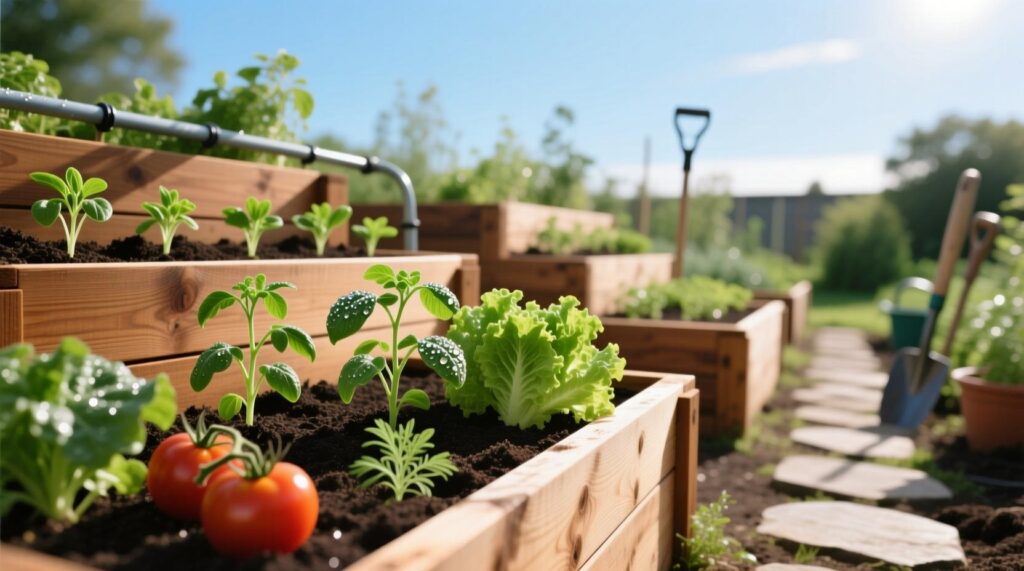
1. Basic Hand Tools
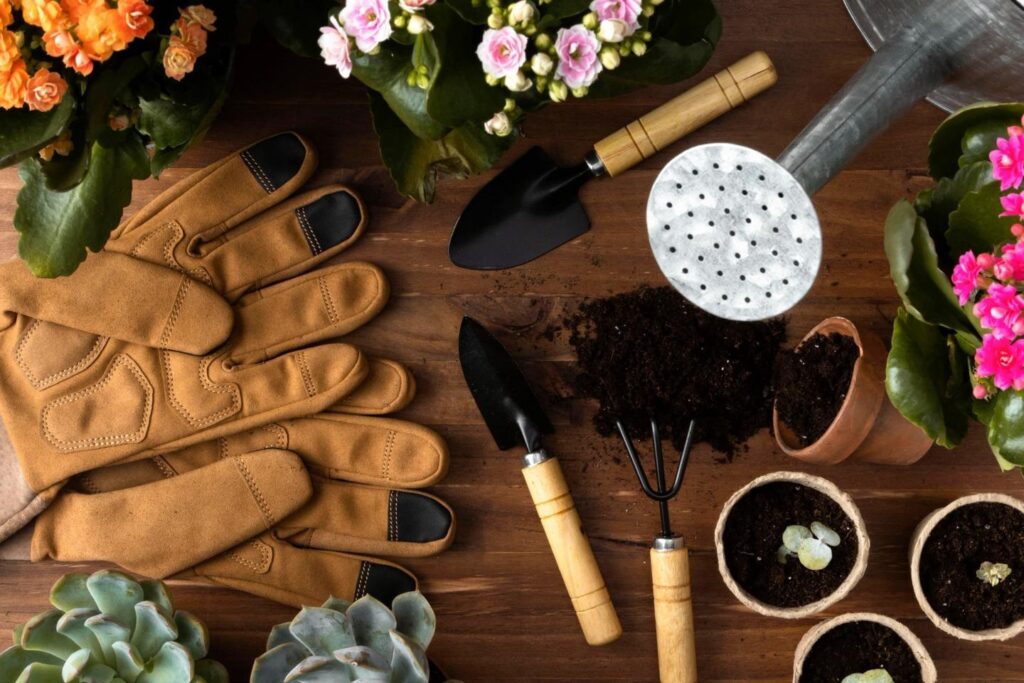
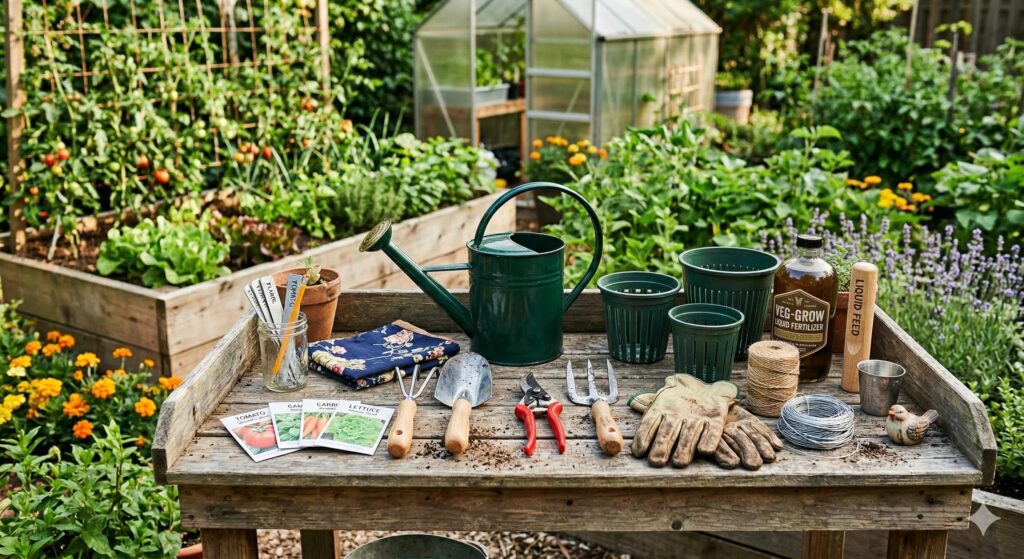
A hand trowel is useful for digging planting holes, moving potting mix, and transplanting seedlings. A hand cultivator can loosen surface soil in small beds, while a sturdy shovel is helpful for larger planting projects.
Consider a garden fork for lifting or loosening compacted soil, and a rake for leveling beds and gathering debris.
Choose handles that feel comfortable and tools with securely attached heads. Stainless or appropriately coated metal may simplify cleaning, while replaceable handles can extend a tool’s useful life.
Beginners usually need only a small collection rather than an expensive multipiece set. Supplies
2. Soil Testing and Soil Amendments
Healthy plants begin with suitable growing conditions. Before purchasing fertilizer, consider a laboratory soil test from your state’s Cooperative Extension service or another reputable laboratory.
Testing can identify soil pH and important nutrient levels. The results can help you decide whether compost, lime, fertilizer, or another amendment is actually necessary. Supplies
Compost adds organic matter and can improve soil structure over time. However, adding large quantities of fertilizer without testing may waste money and contribute to nutrient runoff.
Keep in mind that soil amendments are not interchangeable. Products should address a specific need identified through observation, testing, or reliable local guidance.
3. Seeds, Seedlings, and Plant Labels
Seeds are often economical for fast-growing crops such as beans, lettuce, and radishes. Transplants can offer a head start for tomatoes, peppers, and plants with longer growing seasons.
Check planting dates, sunlight requirements, mature plant size, and whether a variety is suited to your region.
The USDA Plant Hardiness Zone Map helps evaluate winter survival for perennial plants. It does not, by itself, tell you the best vegetable planting date; local frost dates and summer temperatures are also important.
Reusable plant labels and a waterproof marker make it easier to track varieties and planting dates.
4. Watering Cans, Hoses, and Irrigation
A watering can with a gentle rose head works well for seedlings and container plants. Larger gardens may benefit from a durable hose, adjustable nozzle, or watering wand.
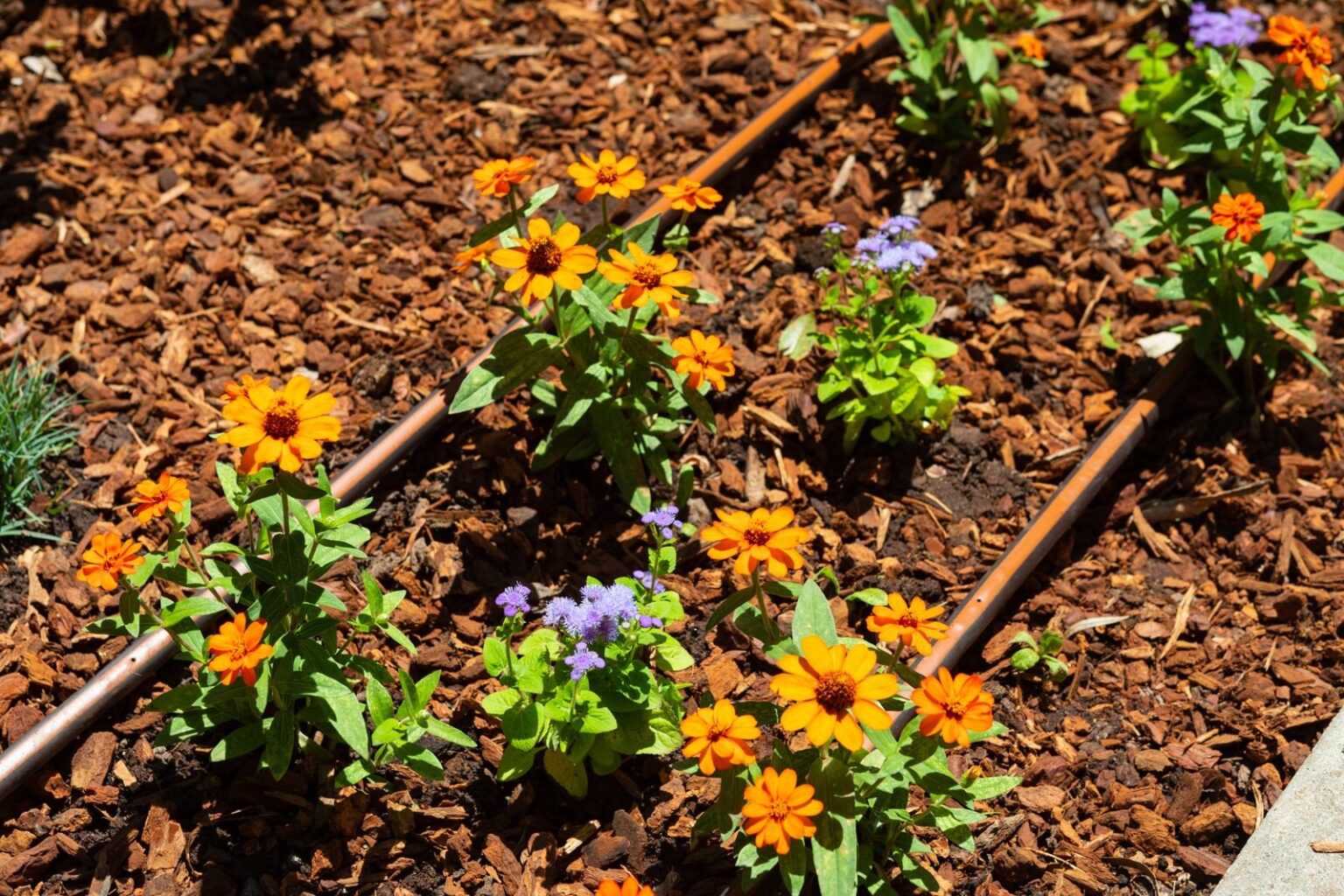
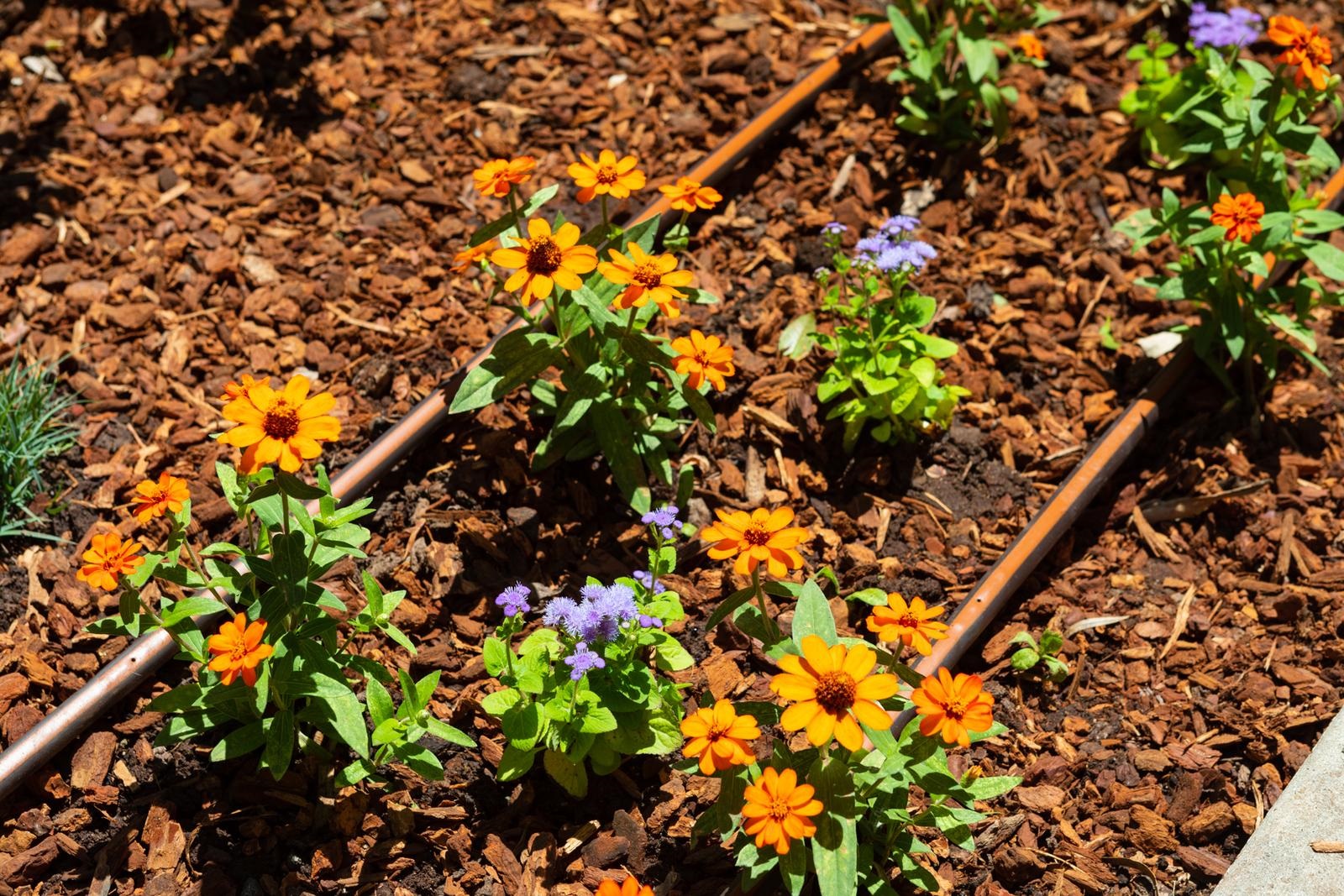
Drip irrigation and soaker hoses deliver water near plant roots and can reduce unnecessary wetting of leaves. Timers can make watering more consistent, although schedules should still change with rainfall and soil moisture.
Watering in the early morning is often helpful because leaves have time to dry. Instead of applying a little water every day automatically, check the soil and water appropriately for the plant and growing conditions.
Avoid overwatering: roots need access to air as well as moisture.
5. Mulch and Weed Management
Mulch is one of the most useful low-cost garden materials. Organic options include shredded leaves, untreated wood chips, straw, and bark.
A suitable mulch layer helps suppress weeds, moderate soil temperature, and slow water loss. Organic materials can also improve soil quality as they decompose.
For many garden beds, a layer around two to four inches deep is appropriate, although application varies by material and plant type. Keep mulch away from stems and tree trunks to avoid trapping moisture against them.
A hand weeder or hoe can remove unwanted plants before they become established.
6. Containers and Raised Garden Beds
If you lack in-ground growing space, containers make gardening possible on patios, balconies, and small yards.
Choose pots with drainage holes and enough room for mature roots. Containers should be stable, especially in windy locations.
Use a growing medium designed for containers rather than filling small pots with dense soil dug from the yard. A lightweight potting mix generally provides better drainage and root aeration.
Raised beds offer another way to organize a vegetable garden. Consider access, edging materials, irrigation, and the volume of growing medium required before purchasing a kit.
7. Plant Supports and Protective Covers
Tomatoes, climbing beans, and some flowering plants benefit from stakes, cages, or trellises. Buy supports early so you do not damage established roots when installing them later.
Soft plant ties help guide stems without cutting into them. Row covers can protect certain crops from insects or cold conditions when used correctly.
Garden netting should be installed and maintained to avoid trapping birds or other wildlife. Always choose protection based on an identified problem rather than covering everything automatically.
8. Pruning and Maintenance Equipment
Bypass pruning shears are useful for cutting suitable live stems. Loppers and pruning saws handle larger branches, within their rated capacity.
Select tools that match the task and follow proper pruning guidance for the plant species. Cutting at the wrong time may reduce flowering or leave plants vulnerable to damage.
Clean tools between tasks, especially when dealing with diseased plant material. Sharpen blades as recommended and store equipment in a dry location.
For mature trees or branches near power lines, hire a qualified professional.
9. Gloves and Personal Protection
Gardening gloves protect hands from friction, thorns, and minor scrapes. Different tasks may require different materials: breathable fabric for routine planting and tougher gloves for thorny shrubs.
Closed-toe shoes, sun protection, and appropriate eye protection also matter.
Read product instructions before using fertilizers or pest-control materials. Keep potentially hazardous products in their original labeled containers, away from children and pets.
Match Your Garden Supplies to Your Climate
No single shopping list suits every American garden.
In hot, dry areas of the Southwest, moisture-conserving mulch, suitable drip irrigation, and heat-tolerant plants may be priorities.
Gardeners in the humid Southeast often need to consider drainage, airflow, and disease-resistant varieties. In colder northern regions, frost protection and seasonal storage deserve attention.
Coastal gardeners should assess wind exposure and corrosion resistance, while apartment gardeners may prioritize lightweight containers and compact tools.
Check your USDA hardiness zone and consult local Extension guidance before making large plant purchases.
How to Buy Garden Supplies on a Budget
Begin with a written plan for your growing space. List the crops or plants you want and identify the tools required to establish and care for them.
Invest first in frequently used items, particularly a comfortable trowel, suitable watering equipment, and reliable pruning shears.
Compare unit sizes when purchasing potting mix, compost, or mulch. Bulk deliveries may be economical for large landscapes, but small gardens can waste money on materials they cannot use or store.
Look for durable secondhand nonchemical tools, share infrequently used equipment, and reuse clean nursery containers when appropriate.
Avoid buying fertilizer, pesticides, or specialty gadgets simply because they are advertised as essential.
Seasonal Garden Supplies Checklist
Spring: Prepare and Plant
Review soil test results, clean tools, gather seeds, inspect irrigation equipment, and prepare beds. Check local frost guidance before transplanting warm-season crops.
Summer: Water and Maintain
Keep a dependable watering setup, mulch exposed soil, support tall plants, and inspect regularly for pests or disease. Adjust care during heat waves instead of following a rigid schedule.
Fall: Harvest and Protect
Collect fallen leaves for suitable mulch or compost, clean up diseased plant debris appropriately, and consider season-extension supplies where useful.
Winter: Plan and Store
Clean, dry, and store tools. Review what performed well, check seed inventories, and plan purchases for the next growing season.
Choosing Safer, More Sustainable Products
An effective garden does not require routine chemical treatment. Start by identifying the specific pest or disease and considering cultural practices, hand removal, barriers, or other integrated pest management techniques.
If a pesticide becomes necessary, choose a product labeled for the intended site and plant, and follow every direction, including protective equipment and harvest intervals.
Water-saving irrigation, reusable containers, composting, and durable tools can also reduce waste. Sustainability often comes from purchasing fewer, better-suited products rather than buying every new eco-themed accessory.
Common Mistakes When Shopping for Garden Supplies
Buying plants before assessing sunlight is a common error. A shade-loving perennial may struggle in full afternoon sun, regardless of fertilizer quality.
Other frequent mistakes include using garden soil in small pots, overfertilizing without a soil test, choosing undersized containers, and overlooking hose connections or drainage.
Some beginners invest heavily in power tools before knowing whether they need them.
The smartest purchases solve real problems in your own garden.
Frequently Asked Questions About Garden Supplies
What Garden Supplies Should a Beginner Buy First?
Start with gloves, a hand trowel, suitable soil or potting mix, a watering can or hose, and plants appropriate for your conditions. Add pruning shears and supports as needed.
Where Can I Buy Garden Supplies in the USA?
Local garden centers, nurseries, hardware stores, agricultural suppliers, and established online retailers carry gardening products. Compare specifications, delivery costs, and plant quality before ordering.
Do I Need Fertilizer for Every Garden?
Not necessarily. In-ground beds should ideally be evaluated through soil testing. Container plants may need regular nutrients depending on the potting mix and crop.
Is Potting Mix Better Than Garden Soil for Containers?
Generally, yes. Purpose-made potting mixes are designed to provide drainage and air space in containers, while ordinary garden soil can become excessively compacted.
How Often Should I Replace Gardening Tools?
There is no fixed schedule. Well-maintained tools can last for years. Replace equipment when it becomes damaged, unsafe, or unsuitable for the work.
Which Garden Supplies Help Save Water?
Drip irrigation, soaker hoses, mulch, and moisture-monitoring tools can help make watering more efficient when used properly.
Are Raised Beds Better Than Traditional Gardens?
Not always. Raised beds can improve organization and accessibility, but in-ground gardens may be less expensive and work well with suitable native soil.
Conclusion: Build a Practical Gardening Kit
The best garden supplies are the ones that match your plants, climate, space, and experience. Reliable tools, suitable soil, thoughtful watering, and routine maintenance matter more than owning a large collection of equipment.
Start with a manageable gardening plan, make purchases based on real needs, and use local growing guidance to avoid costly mistakes.
With the right supplies and a little patience, you can create a productive vegetable garden, colorful flower bed, or welcoming green space that improves year after year.

Written by Twastia Editorial Team
Twastia Editorial Team shares practical insights about website design, SEO services, Google Ads, content marketing, social media, conversion rate optimization, and digital marketing strategy.
Last updated: Oct 14, 2026
Related posts from Twastia
Explore more useful articles from twastia.com about digital marketing, SEO, websites, ads, content, and growth strategy.